





The Science of a Good Swap
A successful substitution is less about finding a flavour match and more about replicating an ingredient's role in the recipe. Every item in a recipe, from flour to eggs to butter, serves a specific purpose. These functions generally fall into providing
structure, moisture, and texture, or binding other ingredients together. When you need to make a swap, think like a food scientist: what is this ingredient's primary job? Is it a binder, holding everything together? Is it a fat, creating tenderness and a rich mouthfeel? Is it a leavener, helping the final product rise? By identifying the function, you can choose a replacement that performs a similar job, ensuring your dish maintains its intended structure and feel.
Decoding Binders: More Than Just Glue
Binding agents are the unsung heroes that prevent your meatballs from crumbling and your cakes from falling apart. Eggs are the most common binder, but they do much more than just hold things together; their proteins create a structural web when heated. If you need to replace an egg, you need to replicate this function. For baked goods like muffins or dense cookies, a 'flax egg' (one tablespoon of ground flaxseed mixed with three tablespoons of water and left to sit) works wonders as it creates a similar gelatinous texture. Mashed bananas, applesauce, or even puréed avocado can also act as binders, especially in cakes and pancakes, with the added benefit of contributing moisture. Keep in mind, however, that these fruity substitutes can add their own flavour and density. For recipes calling for more than two eggs, substitutes can become tricky, as the eggs are likely providing structure and leavening too.
Fats and Oils: The Key to Tenderness
Fats like butter, oil, and shortening are crucial for creating texture. They enrich doughs, tenderise the crumb of a cake, and add that satisfying, luxurious mouthfeel. When substituting, you need to consider both moisture and texture. If a recipe calls for oil and you only have butter, you can use melted butter in a one-to-one ratio, but the result might be slightly denser with a richer flavour. Conversely, replacing butter with oil can make a cake moister but potentially less flaky. For a healthier swap, unsweetened applesauce or Greek yoghurt can replace up to half the fat in many recipes for cakes and muffins. While these add moisture, they don't provide the same richness, so the final texture will be different—often softer and more cake-like rather than crumbly. Mashed avocado is another effective fat substitute, lending a buttery flavour and moist texture to brownies and some cakes.
Flour Power: The Foundation and Structure
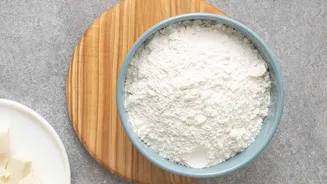
Flour provides the primary structure for most baked goods. The protein in wheat flour, gluten, forms an elastic network that traps air and creates a light, chewy texture. When substituting flour, you are fundamentally altering this foundation. If you are swapping all-purpose flour for whole wheat, expect a denser, heartier result due to the bran and germ. You may also need to add a little extra liquid, as whole wheat flour absorbs more moisture. For gluten-free baking, a one-for-one replacement is rarely successful. Gluten-free flours like almond, coconut, or rice flour lack the structural properties of gluten. Using a pre-made gluten-free blend is often the best bet, as these are formulated with a mix of flours and starches (like xanthan gum) to mimic the binding and structural capabilities of gluten. Remember that gluten-free baked goods may have a different texture and often require slightly longer baking times to set properly.
The Sweet Side of Texture
Sugar does more than just add sweetness; it plays a significant role in texture and moisture. Sugar is hygroscopic, meaning it attracts and holds onto water. This is what keeps your cakes moist and your cookies soft. It also helps with browning and creates a tender crumb by interfering with gluten development. When you reduce sugar, you risk a drier, tougher bake. If you're substituting liquid sweeteners like honey or maple syrup for granulated sugar, you will need to reduce the other liquids in your recipe to compensate for the added moisture. Brown sugar, with its higher molasses content, will create a chewier, moister product than white sugar. Understanding these functions allows you to make informed decisions that go beyond simply adjusting sweetness, ensuring your final product has the texture you crave.