








The Silent Damage of Sitting
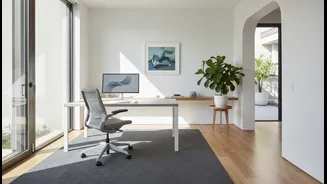
In our increasingly digital world, the office chair has become a second home. But this comfort comes at a cost. Prolonged sitting is linked to a host of health problems, including an increased risk of obesity, type 2 diabetes, heart disease, and even
certain cancers. When we sit for long periods, our metabolic rate slows, blood circulation is reduced, and our muscles become inactive. This can lead to back pain, stiff necks, and tight hips. Health experts have warned for years that a sedentary lifestyle is a significant health hazard, with some comparing its long-term impact to smoking. The challenge for many office workers isn't a lack of awareness, but a lack of practical solutions that fit into a demanding workday.
The Science of a Small Break
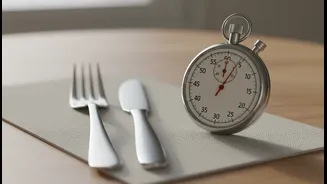
So, what's the solution? While daily exercise is crucial, researchers have found that how you spend the rest of your day matters just as much. A key study from Columbia University explored the ideal frequency and duration of movement breaks needed to counteract the negative effects of sitting. The answer was surprisingly simple: a five-minute walk every 30 minutes. This specific routine was the only one tested that significantly lowered both blood sugar and blood pressure. In fact, it reduced blood sugar spikes after a large meal by a remarkable 58% compared to sitting all day. Shorter, less frequent walks provided some benefits, but the five-minutes-per-half-hour formula proved to be the sweet spot for major metabolic and cardiovascular gains.
More Than Just Physical Health
The advantages of these mini-breaks extend beyond the physical. The same Columbia University study found that participants experienced significant improvements in their mental well-being. On days they took regular movement breaks, they reported better moods, less fatigue, and more energy. People are more likely to stick with habits that make them feel good, and the immediate boost in mood and energy from a short walk can be a powerful motivator. More recent research has reinforced this, showing that while a break every hour is more feasible for many, the 30-minute interval provides the strongest improvements in mood and fatigue reduction. These breaks don't just make you feel better; they can even help you work better by improving engagement.
Your Five-Minute Movement Menu
Integrating these breaks doesn't require a gym membership or a major lifestyle overhaul. The goal is simply to interrupt the sitting. Here are a few easy ways to get your five minutes of movement every half hour: The Hydration Lap: Instead of keeping a large bottle at your desk, get up to refill a smaller glass from the water cooler. Take the long route. Walk and Talk: If you have a phone call that doesn't require you to be on camera or at your computer, use a headset and pace around the office or a quiet hallway. Desk-Side Stretches: Stand up and do some simple stretches. Reach for the sky, twist your torso, or do a few neck rolls and shoulder shrugs. Simple calf raises or chair squats can also get the blood flowing. Visit a Colleague: Instead of sending an email to a coworker in the same building, take a quick walk to their desk to ask your question in person. * Stair Sprints: If you have stairs nearby, a few trips up and down is an excellent way to elevate your heart rate quickly.
How to Make the Habit Stick
Knowing what to do is one thing; remembering to do it is another. The biggest barrier people face is simply getting caught up in their work. To build a sustainable habit, try using technology to your advantage. Set a recurring timer or calendar reminder for every 30 minutes. There are numerous apps designed specifically to remind you to take breaks. Another effective strategy is habit stacking: link your movement break to an existing routine. For example, decide to stand up and walk for five minutes after you finish a specific task, send a report, or complete a meeting. Partnering with a colleague can also help keep you both accountable and motivated. The key is to find a system that works for you and to not get discouraged if you miss a few breaks. Every little bit of movement counts.