






The Weight of a Sacred Legacy
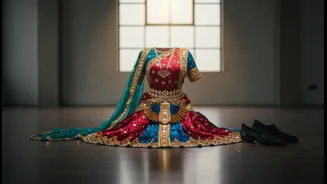
For generations, Indian classical dance has been passed down through the Guru-Shishya Parampara, a sacred student-teacher relationship built on devotion and immersive learning. In this tradition, the guru doesn't just teach steps; they transmit a philosophy,
a spiritual discipline, and a cultural archive of mythology and history. For many in the Indian diaspora, preserving this heritage is a crucial link to their roots. Dance schools in cities from London to San Jose become cultural anchors, where second and third-generation immigrant children connect with the stories and values of their ancestors. The pressure to maintain the “purity” of forms like Bharatanatyam, Kathak, and Odissi is immense. These communities often see themselves as custodians of a tradition, tasked with protecting it from dilution in a globalised world.
The Call for Contemporary Language
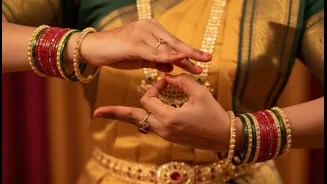
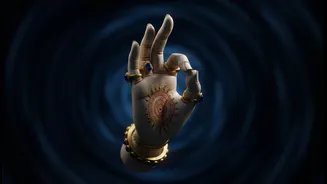
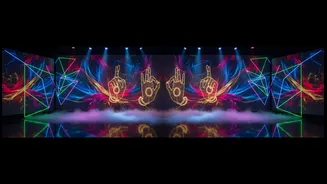
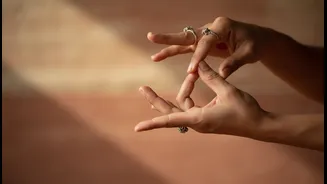
Yet, what happens when the stories of Hindu mythology feel distant to a young dancer raised in a multicultural society? What about audiences unfamiliar with the intricate language of mudras (hand gestures) and abhinaya (facial expressions)? Many artists argue that for the dance to be a living, breathing art form—rather than a static museum piece—it must evolve. The challenge is to find a new language that speaks to contemporary life, exploring themes of identity, social justice, or environmental concerns. This push for relevance comes not from a desire to abandon tradition, but to ensure its survival. If the art form doesn't resonate with the experiences of new generations, it risks losing its audience and its future practitioners.
Choreographing a New Path
This balance between preservation and innovation is most visible in the work of trailblazing artists. British-Bangladeshi choreographer Akram Khan, for instance, has become a global icon for his powerful blend of Kathak and contemporary dance. He uses the vocabulary of Kathak—its lightning-fast spins and complex rhythms—to explore universal themes of identity, conflict, and belonging, often collaborating with artists from other disciplines like ballet. Similarly, Singapore-based companies have used Bharatanatyam to respond to social issues in Southeast Asia. These artists are not creating “fusion” in a superficial sense; instead, they are organically integrating their classical training with their contemporary realities, proving the forms are adaptable and robust. They demonstrate that it's possible to innovate while remaining deeply rooted in the principles of the original form.
The Purist's Peril and the Innovator's Risk
This evolution is not without its critics. The debate between “purists” and “innovators” is a constant dialogue within the global dance community. Purists worry that straying too far from the traditional repertoire and pedagogy will dilute the art form, severing its connection to its spiritual and historical foundations. They argue that the classical forms possess a timeless beauty and completeness that should not be tampered with. On the other hand, innovators contend that tradition has never been static; dance forms have always evolved. They argue that refusing to adapt is its own kind of risk, one that could lead to irrelevance and stagnation. Choreographer Akram Khan himself has noted the danger of Western audiences viewing Indian classical dance through a colonial lens, expecting it to remain fixed in a traditional, unchanging box. This tension fuels a dynamic and sometimes contentious, but ultimately healthy, conversation about the future.