





The Case for Skating: High-Energy Outdoor Freedom
Roller and inline skating offer a fantastic cardiovascular workout that can feel more like play than exercise. Gliding through a park or along a quiet street not only gets your heart rate up—strengthening it and improving circulation—but it also works
as a full-body exercise. It builds significant strength in the legs, glutes, and core as you work to stay balanced and propel yourself forward. One of skating's biggest advantages is that it is a low-impact activity. Unlike running, the smooth, fluid motions place minimal stress on your joints, making it a sustainable choice for many. Practicing outdoors adds another layer of benefits. Exposure to sunlight helps your body produce essential Vitamin D, which is crucial for bone health and mood regulation. The changing scenery keeps workouts interesting, and the fresh air can be a powerful stress reliever, releasing endorphins that boost your mood and mental clarity.
The World of Tai Chi: Indoor Calm and Control
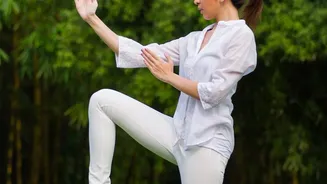
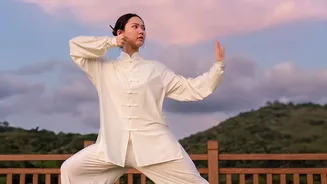
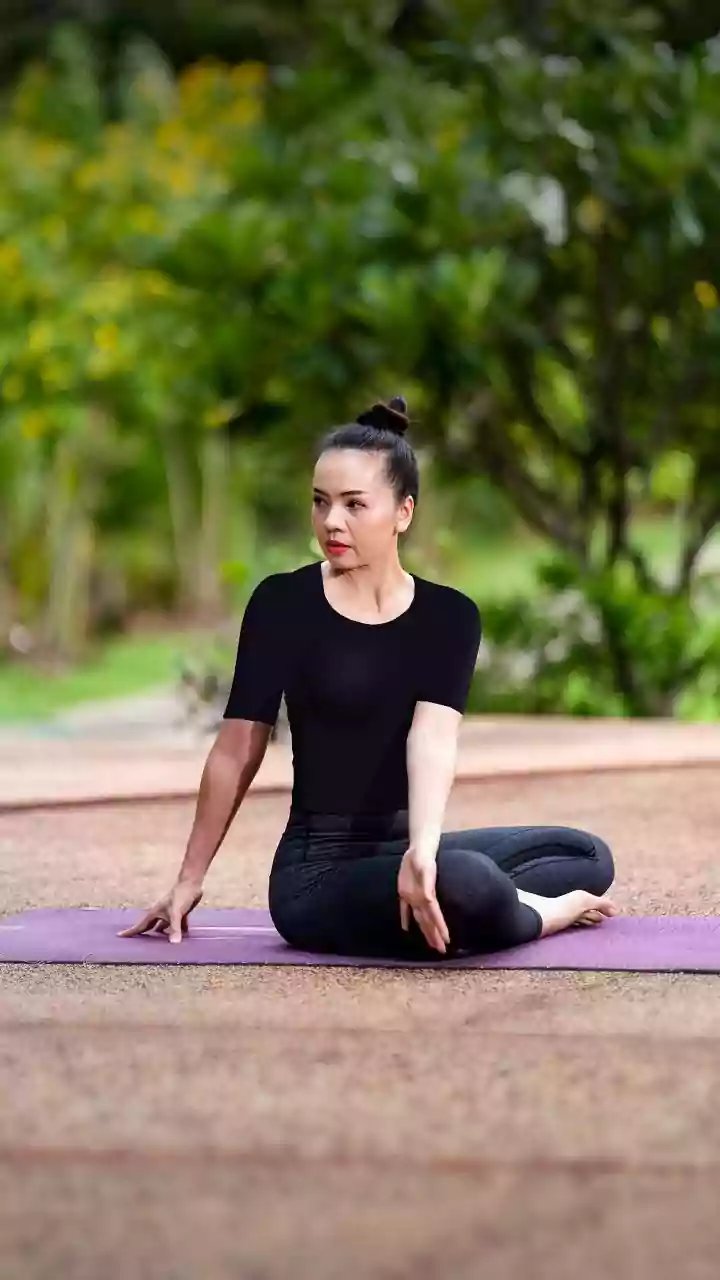
Tai Chi, an ancient Chinese martial art, is often described as 'meditation in motion'. It involves a series of slow, gentle, and flowing movements coordinated with deep breathing. While it can be practiced outdoors, many prefer an indoor setting for the focus and lack of distractions it provides. An indoor space offers a controlled environment, free from unpredictable weather, allowing for consistent practice year-round. The primary benefits of Tai Chi are vast and well-researched. It is exceptional for improving balance, flexibility, and muscle strength, which can significantly reduce the risk of falls, particularly in older adults. Studies have shown its effectiveness in managing chronic conditions like arthritis by keeping joints mobile and reducing pain. Mentally, Tai Chi is a powerhouse. The focus on breath and movement calms the nervous system, reduces stress and anxiety, and can even help alleviate symptoms of depression. It's a practice that deeply connects the mind and body, promoting overall well-being.
The Outdoor Advantage: Scenery and Spontaneity
Exercising outdoors, as is common with skating, offers unique psychological perks. Studies suggest that 'green exercise'—physical activity in natural settings—can boost self-esteem and mood more effectively than indoor workouts. The dynamic environment of the outdoors, with its varying terrain and fresh air, can make exercise feel less like a chore and more like an adventure. This can lead to greater feelings of revitalization and positive engagement. Furthermore, outdoor activities often have a stronger social component. You might join a skating group, meet fellow enthusiasts at a park, or simply enjoy the feeling of being part of a larger community. This social connection is a powerful motivator and contributes to overall happiness.
The Indoor Sanctuary: Focus and Consistency
The key benefit of an indoor practice space, ideal for Tai Chi, is control. You are shielded from rain, extreme heat, or icy conditions that can derail an outdoor workout plan. This consistency is crucial for building a lasting habit. An indoor environment also limits distractions from traffic, passersby, or uneven surfaces, allowing for deeper concentration. This is particularly important for a mindfulness-based practice like Tai Chi, where internal focus is paramount to reaping the full benefits. Indoor spaces like studios or community centres also provide access to instructors who can offer guidance on proper form and technique, ensuring a safe and effective practice. This structured environment can be incredibly beneficial for beginners or those looking to deepen their skills in a specific discipline.
It’s Not a Competition, It’s a Combination
Ultimately, the 'versus' in the headline is misleading. Skating and Tai Chi are not mutually exclusive; in fact, they can complement each other beautifully. Both activities, despite their differences in energy and environment, share a common goal: improving the connection between mind and body. Skating enhances cardiovascular health and muscle endurance, while Tai Chi cultivates balance, flexibility, and mental calm. Imagine using skating as your high-intensity workout for the week, clearing your head in the open air, and then using Tai Chi as a restorative practice to improve your stability, focus, and recovery. The dynamic energy of one can balance the quiet mindfulness of the other, creating a well-rounded wellness routine. The best approach might not be to choose one over the other, but to find a way to integrate both.