




Why Big Goals Often Fail
Many of us approach fitness with an 'all-or-nothing' mindset. We set ambitious goals, like working out for an hour every day, believing that massive effort is the only way to see results. While admirable, this approach often backfires. When we’re busy,
tired, or just unmotivated, that one-hour commitment can feel like an insurmountable wall, making it easier to skip the workout altogether. Missing one session can lead to feelings of failure, derailing our progress and causing us to abandon our routine entirely. The problem isn't a lack of willpower; it’s a flawed strategy. Big, sudden changes are difficult for our brains to adopt, leading to burnout instead of building a sustainable habit.
The Power of Ten Minutes
This is where the 10-minute workout changes the game. Its primary power lies in its ability to dismantle the biggest barrier to exercise: getting started. A 10-minute commitment is so small and manageable that it’s almost impossible to say no to. This consistency is crucial for habit formation. Every time you complete a short workout, you're creating a 'small win' that reinforces the behaviour. Psychologically, this process builds the identity of someone who exercises regularly. Physiologically, the benefits are significant, too. Just 10 minutes of daily activity can improve heart health, lower blood sugar, reduce stress by releasing endorphins, and even improve brain function and sleep quality. Studies show that short, consistent efforts are more effective for long-term adherence than sporadic, high-intensity sessions.
Designing Your 10-Minute Routine
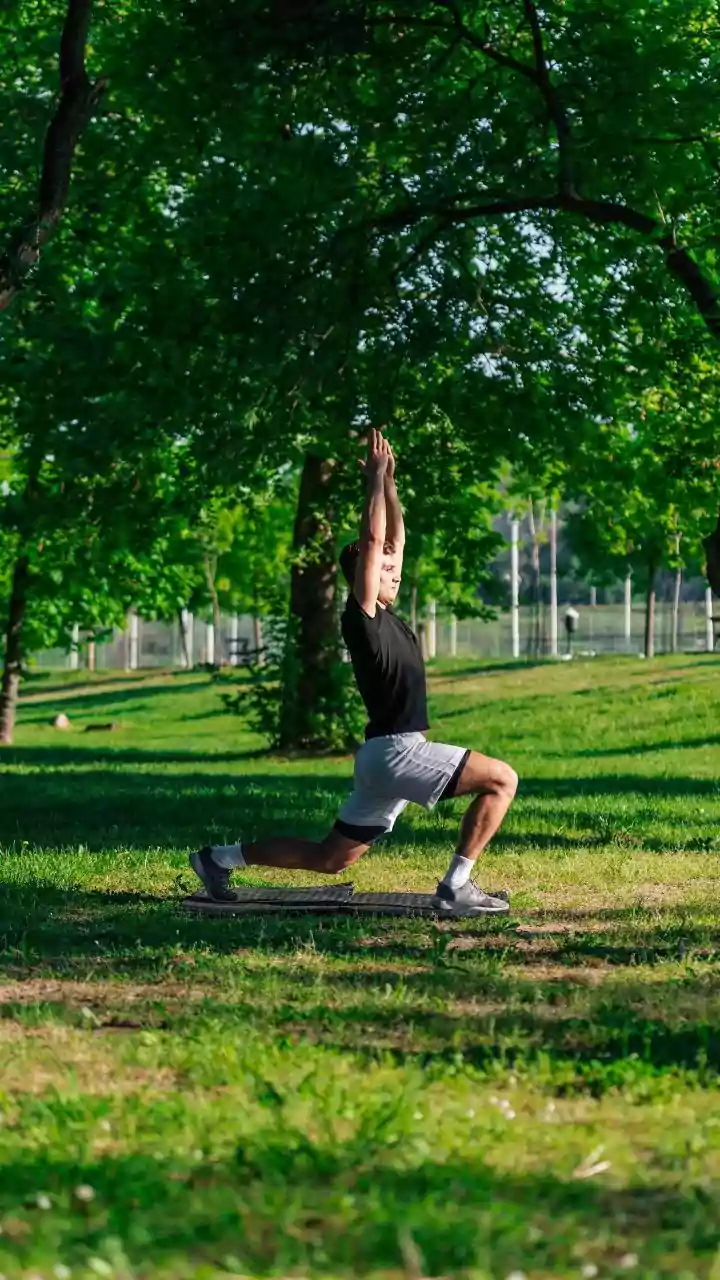
A 10-minute workout can be surprisingly effective if you are focused. You don't need fancy equipment; bodyweight exercises are often perfect. Your goal is to make the most of the time. You could focus on one area each day or do a full-body routine. A sample routine might include one minute each of jumping jacks, squats, push-ups (on knees or toes), lunges, planks, and high knees, with short rests in between. You could also dedicate 10 minutes to a brisk walk, a quick yoga flow, or dancing to a few of your favourite songs. The key is to choose activities you genuinely enjoy, which makes you more likely to stick with them. The goal isn't to exhaust yourself; it's to show up consistently and move your body.
Make It Impossible to Skip
To ensure your new habit sticks, you need to reduce friction. Make it easier to do the workout than to avoid it. One of the most effective techniques is 'habit stacking'. This involves linking your new 10-minute workout to an existing, established habit. For example: 'After I pour my morning coffee, I will do my 10-minute workout'. The existing habit (making coffee) becomes the cue for the new one. Other strategies include laying out your workout clothes the night before, so they are the first thing you see. Or, if you work from home, schedule the 10-minute session in your calendar as an unbreakable appointment. By automating the decision, you remove the need for motivation, which can be unreliable.
From Ten Minutes to a Lifelong Habit
The initial goal is not to achieve peak physical fitness in ten minutes a day. The goal is to build the habit of consistency. Once you have successfully completed your 10-minute workout daily for several weeks, it will start to feel automatic. From there, you have options. You might find that 10 minutes is perfect for your lifestyle and continue with that. Or, you may naturally want to do more. You could gradually increase the duration to 15 or 20 minutes. You could add a second 10-minute walk later in the day. The important thing is that the 10-minute routine becomes your non-negotiable baseline—the minimum you do each day to keep the chain of consistency alive. This foundation makes your fitness journey resilient and adaptable to the ups and downs of life.