
A Storm for the Ages
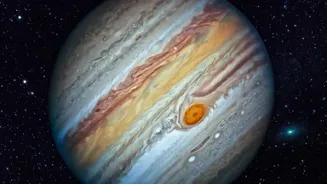
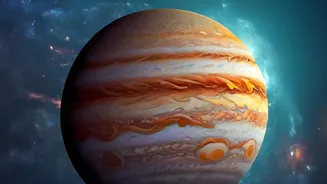
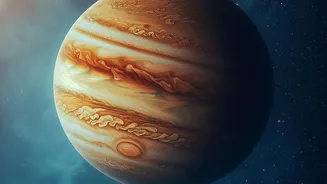
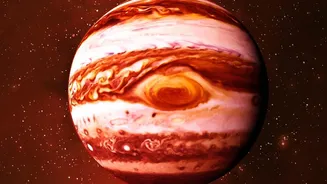
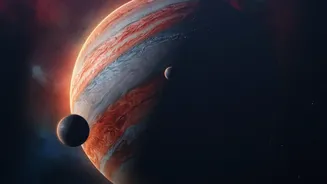
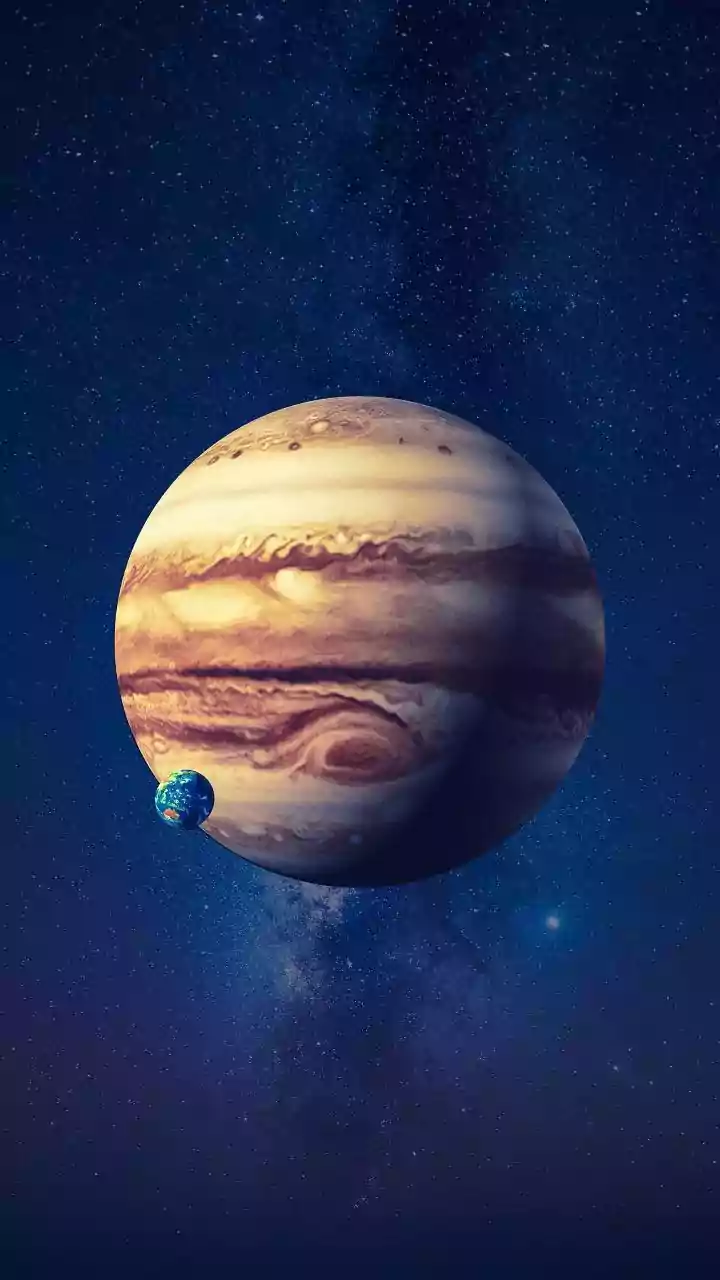
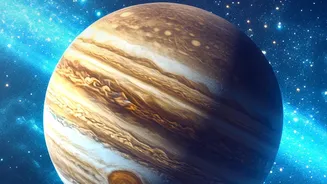
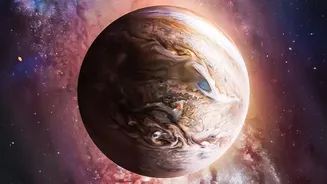
Jupiter’s Great Red Spot is an icon of our solar system, a swirling crimson eye so vast it could swallow Earth whole. This gigantic storm, technically a high-pressure system known as an anticyclone, has been raging in Jupiter's southern hemisphere for
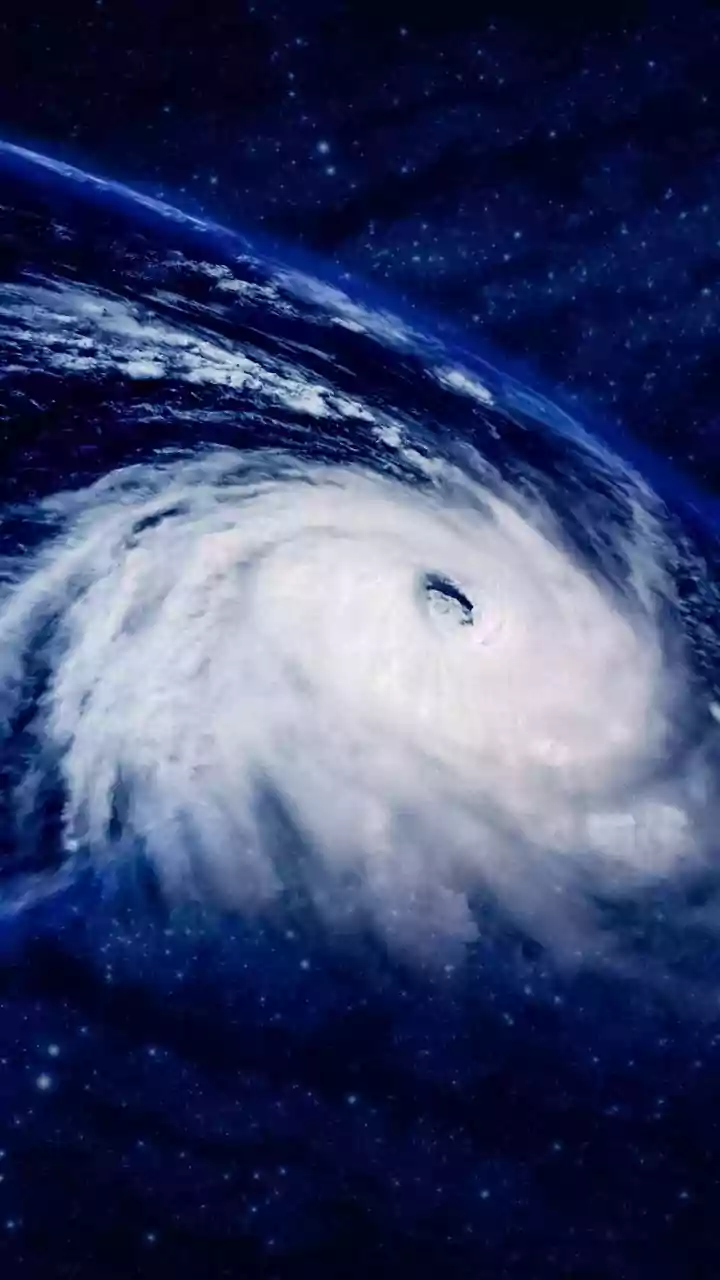
at least 150 years, and possibly much longer. Unlike hurricanes on Earth that lose power over land, the Great Red Spot churns on in a bottomless atmosphere of hydrogen, with no solid surface to slow it down. It's trapped between two powerful jet streams moving in opposite directions, which constantly feed its counter-clockwise rotation, essentially winding it up like a colossal top. For generations, it has seemed like a permanent, unchanging feature. But the latest observations show that the solar system's most famous storm is going through a period of dramatic transformation.
What the New Images Reveal
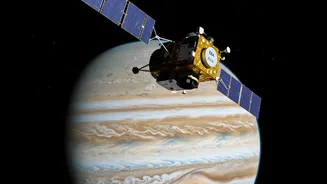
Recent studies using data from powerful instruments like the Hubble Space Telescope have provided an unprecedented look at the storm's behaviour. The most striking finding is that while the storm itself is shrinking, the winds on its outer edge are speeding up. Data collected over more than a decade confirmed that winds in the storm’s high-speed outer ring have increased by about eight percent. At the same time, the storm's overall size has been steadily decreasing. In the 19th century, it was wide enough to fit three Earths across. By the time of the Voyager flybys in 1979, it had shrunk significantly, and today it is only slightly larger than our own planet. This contraction has also caused its shape to change, becoming less of a distinct oval and more circular.
Is the Great Red Spot Disappearing?
The rapid shrinking has led to widespread speculation that the Great Red Spot might be on the verge of disappearing within our lifetimes. In recent years, amateur astronomers have even observed large 'flakes' peeling off from the main vortex, suggesting it might be breaking apart. However, scientists are not so sure it’s a sign of the end. Some believe the changes are part of a longer-term cycle. One theory is that as the storm shrinks in width, it is also growing taller, conserving its overall energy. Another idea suggests that the storm's longevity depends on a steady diet of smaller storms, which it absorbs to maintain its strength. A decrease in these smaller storms could be causing it to shrink, but doesn't necessarily mean it will vanish. It's possible the spot will simply stabilize at a smaller, more circular size.
A Deeper Mystery
Adding to the intrigue, the latest observations have revealed an entirely unexpected behaviour: the storm appears to be oscillating, or jiggling, over a 90-day cycle. It squeezes in and out, like a stress ball, while its westward drift across the planet simultaneously speeds up and slows down. Scientists currently have no definitive explanation for this rhythmic pulse, but it suggests a complex interaction between the colossal storm and the powerful jet streams that contain it. Even its famous colour remains a puzzle. While theories suggest chemicals deep within Jupiter's atmosphere react with sunlight to create the reddish hue, nobody knows for sure what compounds are responsible. The new images show these dynamics in greater detail than ever before, but they also deepen the mystery of what truly drives this magnificent storm.