







A Season of Deficit
The 2026 southwest monsoon season, which runs from June to September, ended with a nationwide rainfall deficit of about 12.6%. This makes it the driest monsoon in over a decade, largely influenced by developing El Niño conditions in the Pacific Ocean.
The distribution of rain was also highly uneven. While Central India received near-normal rainfall, the south peninsula and the east and northeast regions experienced significant shortfalls. Several states, including Karnataka, Maharashtra, and Telangana, have already declared drought or drought-like conditions in many districts, reflecting the severity of the dry spells. The India Meteorological Department (IMD) also forecasts below-normal rainfall for most of the country during the post-monsoon period from October to December, which could further strain water resources.
Pressure Mounting on Kharif Crops
The immediate impact of a weak monsoon is felt across the agricultural heartland, particularly on rain-fed Kharif (summer) crops. While overall sowing for the season was only slightly below last year, key crops like rice, cotton, and maize have seen a drop in acreage. The real concern, however, has shifted from the area sown to the potential yield per hectare. Crops such as cotton, soybean, and pulses are particularly vulnerable to moisture stress during their critical growth stages, which can lead to smaller yields and lower quality produce. Even in areas where sowing was normal, the erratic nature of the rainfall this year could reduce overall output. The government has acknowledged these risks, setting a slightly lower foodgrain production target for the 2026-27 crop year compared to the previous year's record.
The Ripple Effect on Rural Wallets
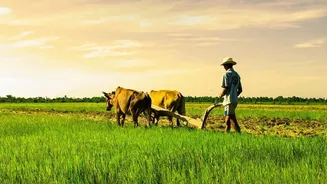
For millions of rural households, farm income is directly tied to the monsoon's performance. Lower crop yields translate directly into lower incomes for farmers, creating a ripple effect that extends throughout the rural economy. This squeeze on earnings is expected to dampen rural demand for a wide range of goods and services. Companies selling everything from tractors and two-wheelers to everyday consumer goods often depend on strong post-harvest spending. A fall in agricultural income means families will likely postpone discretionary purchases, impacting sales and business confidence in these sectors. Financial institutions, particularly those with high exposure to agricultural loans and microfinance, also face increased risks from a potential slowdown in repayments.
Wider Economic Headwinds
The consequences of a poor monsoon are not confined to the countryside. A potential decline in agricultural output can lead to higher food prices, creating inflationary pressure that affects every household in the country. Rating agency ICRA has already trimmed its agriculture growth forecast for the fiscal year, citing the weak monsoon. Furthermore, the deficit rainfall has left water levels in India's major reservoirs significantly lower than last year and the historical average. This not only affects the availability of water for drinking and irrigation for the upcoming Rabi (winter) crop season but also impacts hydroelectric power generation. While the Indian economy is now more diversified and resilient than in the past, a struggling agricultural sector can still act as a significant drag on overall GDP growth and strain government finances through increased demand for subsidies and rural support measures.