





Why a Calendar is Non-Negotiable
Managing a rental home without a maintenance schedule is like navigating without a map. You’ll only react to problems, often when they’ve become emergencies. A maintenance calendar turns you from a reactive landlord into a proactive asset manager. It
helps you budget for expenses, schedule professional visits during the off-season, and, most importantly, prevent small issues from escalating. For Indian homes, this is critical, with the monsoon season presenting a predictable, yearly challenge. A well-planned calendar, focusing on crucial pre-monsoon checks and post-monsoon repairs, protects your property’s structural integrity and keeps your tenants happy. Think of it as a simple business plan for your most valuable asset.
Pre-Monsoon: The Defence Against Damp
The fight against dampness is won before the first rains hit. Your pre-monsoon checklist is the most critical part of your calendar. Start with the exterior. Inspect the outer walls and terrace for any cracks, no matter how small, as these are gateways for water seepage. Sealing these with waterproof putty or sealants is a must. Next, focus on your roof and gutters. Ensure they are completely clear of leaves, dirt, and debris to allow rainwater to drain away freely instead of pooling and finding its way into your walls. If your property has a terrace, re-applying a waterproof coating annually can save you from major leakage headaches. Finally, check the seals around windows and balcony doors, as these are common weak points for water ingress.
Drainage: The Unsung Hero of a Dry Home
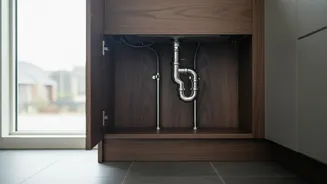
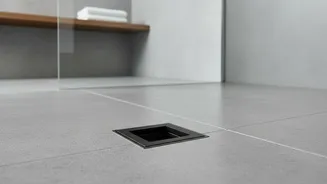
Clogged drains are one of the most frequent complaints from tenants and can cause a host of problems, from bad odours to water damage and pest infestations. Your maintenance calendar should include regular drain upkeep. On a quarterly basis, it's wise to treat all drains—kitchen sinks, bathroom outlets, and floor traps—with a cleaning agent. A simple and effective DIY solution is a mixture of baking soda and vinegar, followed by hot water, which helps break down grease, hair, and soap scum. Encourage your tenants to use drain strainers to catch hair and food particles. At least once a year, especially before the monsoon, ensure all external drainage pipes and outlets are clear of blockages to handle heavy rainfall. For persistent issues, it’s best to call a professional plumber rather than relying on harsh chemical cleaners that can damage older pipes.
Ongoing Checks and Post-Monsoon Recovery
Maintenance isn’t just a seasonal activity. Monthly checks are essential. Walk through the property (or have your tenant do a quick check) to spot any new signs of dampness, like peeling paint or a musty smell. Good ventilation is key to preventing mould, so encourage tenants to open windows for cross-ventilation when it isn't raining and to use exhaust fans in kitchens and bathrooms. Once the monsoon season is over, it's time for a thorough assessment. Look for any new damp patches on interior walls and ceilings. Address these immediately by identifying the source, allowing the area to dry completely, and then applying a damp-proof primer or paint. This is also a good time to check on any wooden furniture or fixtures, which can swell or develop mould in high humidity.
Creating a Landlord-Tenant Partnership
Effective maintenance is a team effort. Your tenant is your first line of defence, as they can spot issues daily. A clear lease agreement should outline maintenance responsibilities. While major structural repairs fall on the landlord, tenants are typically responsible for basic cleanliness and promptly reporting problems. Provide them with simple tools like a plunger and educate them on what not to put down the drains (like grease or fibrous vegetables). Fostering a good relationship encourages them to report slow drains or small leaks immediately, before they become significant problems. A simple checklist for your tenant can empower them and make them feel like a partner in maintaining the home.