





The Protein Perspective
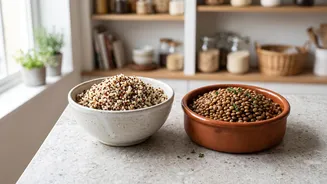
Protein is a primary reason both these foods are popular, but they differ significantly. Quinoa's main claim to fame is being a 'complete protein'. This means it contains all nine essential amino acids that our bodies cannot produce on their own, a rare
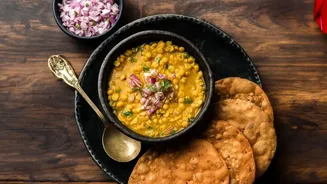
feat for a plant-based food. A cooked cup provides about 8 grams of protein. Lentils, on the other hand, are a protein heavyweight in terms of quantity, offering a massive 16 to 18 grams per cooked cup. However, lentils are an 'incomplete protein', meaning they are low in certain amino acids like methionine and cysteine. This isn't a major drawback, as the traditional Indian meal of dal (lentils) and rice (a grain) naturally combines to provide a complete amino acid profile.
Fibre and Digestive Health
When it comes to dietary fibre, lentils are the undisputed champion. A cup of cooked lentils packs an impressive 16 grams of fibre, which is more than half the recommended daily intake for many adults. This high fibre content aids digestion, promotes gut health, and keeps you feeling full for longer, making it excellent for weight management. Quinoa also offers a good amount of fibre, with about 5 grams per cooked cup. While less than lentils, it's still significantly more than what you'd find in white rice, contributing to better satiety and digestive regularity.
Carbohydrates and Blood Sugar Control
Both quinoa and lentils are considered low glycemic index (GI) foods, which is great news for anyone managing blood sugar levels, including those with diabetes. The glycemic index measures how quickly a food raises blood glucose. Quinoa has a GI of around 53. Lentils have an even lower GI, often under 30, due to their very high fibre content, which slows down the absorption of carbohydrates. This slow release of energy helps prevent the sharp spikes in blood sugar that can occur after eating refined grains, providing sustained energy.
Micronutrient Profile: Vitamins and Minerals
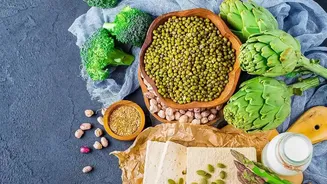
Both foods are rich in essential micronutrients, but they shine in different areas. Lentils are a powerhouse of folate, a crucial B-vitamin for cell growth and DNA synthesis, and they are also exceptionally high in iron and potassium. This makes them particularly beneficial for heart health and preventing anaemia. Quinoa stands out for its high magnesium content, which is important for muscle and nerve function. It is also a good source of manganese, phosphorus, and antioxidants that help combat inflammation.
Cost and Culinary Versatility in India
This is where the comparison becomes most practical for an Indian household. Lentils, in their various forms like toor, masoor, and moong dal, are a foundational part of our cuisine, are widely available, and are very affordable. They are the base for countless dal preparations, sambar, and khichdi. Quinoa, while increasingly cultivated in India, is still largely perceived as a gourmet or imported item. Its price can be five to eight times higher than that of lentils or local millets. While it can be used to make upma, pulao, or salads, its cost can be a barrier for daily consumption.