

The Great Snack Shift
Walk through any supermarket and the snack aisle is a dizzying display of colourful packets promising instant gratification. For years, these processed chips, biscuits, and namkeens have been the default choice for time-poor urban families. Yet, a growing
movement is seeing people turn their backs on these conveniences. This isn't just about a few health enthusiasts; it's a broader trend where households are intentionally making time to prepare snacks from scratch. The very definition of 'convenience' is being redefined, shifting from what's quickest to buy to what's best for the family's well-being. This change is rooted in a deeper awareness of what goes into our food and a collective desire to regain control over our plates.
Health Is The Driving Force
The primary catalyst for this shift is, without a doubt, health. As awareness about the effects of ultra-processed foods grows, consumers are becoming more sceptical of long ingredient lists filled with preservatives, artificial flavours, and high levels of sodium and sugar. A recent consumer survey highlighted that a vast majority of Indians now prioritise clear ingredient information when choosing snacks. People are no longer just counting calories; they're looking for functional benefits like protein and fibre, and they are willing to invest time to ensure their families get them. This 'prevention-led' lifestyle means consumers are proactively making healthier choices to avoid long-term health issues, moving beyond just managing existing conditions.
A Taste of Home and Nostalgia
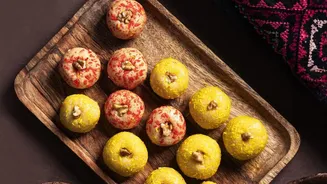
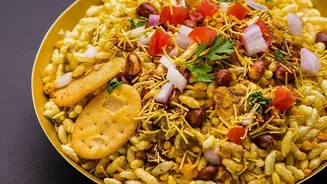
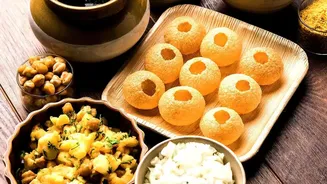
Beyond the nutritional benefits, the move towards homemade snacks is deeply emotional. For many, the aroma of besan laddoos, shankarpali, or a simple roasted makhana evokes powerful memories of childhood, festivals, and family gatherings. Recreating these recipes is a way to connect with cultural roots and preserve culinary traditions in a fast-modernising world. In an age of global food trends, these familiar flavours offer a sense of comfort and authenticity that a packaged snack rarely can. It's about feeding the soul as much as the body, turning a simple snack time into a moment of cherished nostalgia. This 'nostalgia premium' is a powerful force, reminding people of the joy and togetherness associated with traditional Indian food.
Redefining 'Quick' in the Kitchen
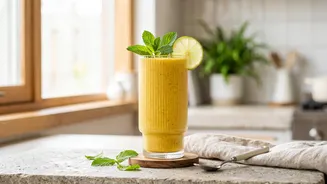
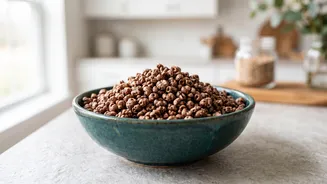
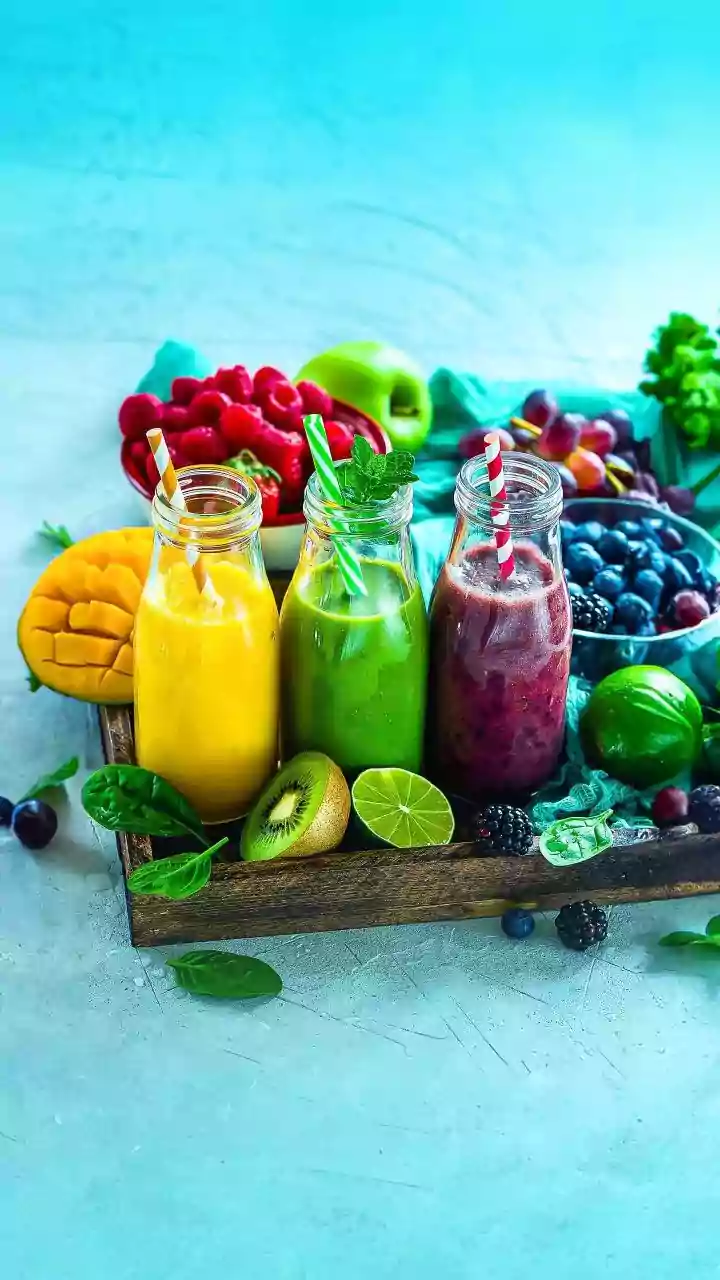
But how are busy professionals and parents finding the time? They are not spending hours toiling over complex recipes. Instead, they are adapting. The modern homemade snack is all about smart cooking. This includes weekly snack-prepping, using modern appliances like air fryers to reduce cooking time and oil, and relying on simple, quick-to-assemble recipes. Traditional ingredients are being used in modern, convenient ways. For example, sattu, once a regional staple, is now used in quick protein shakes, while makhana (fox nuts) are roasted in minutes as a healthy alternative to fried chips. The focus is on 'mindful' snacking, preparing a snack box for work, or mixing nuts and seeds for an easy trail mix. It's about finding a sustainable balance between health goals and a hectic schedule.
More Than Just a Snack
This trend signifies more than just a change in eating habits; it reflects a broader shift in lifestyle values. The act of cooking, even something as simple as a snack, has become a form of self-care and a way to de-stress from a demanding workday. For many young urban Indians, it's a source of pride and creativity. Furthermore, it creates opportunities for family bonding, whether it's involving children in making simple treats or passing down a family recipe. In a world of increasing digital isolation and outsourced services, the kitchen is re-emerging as the heart of the home—a place of connection, nourishment, and conscious living. The choice to cook is a choice to be more present and involved in one's own life and the lives of loved ones.