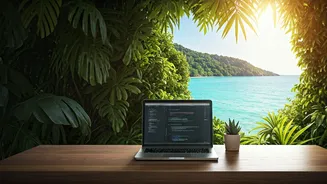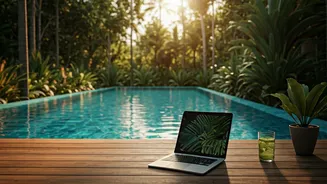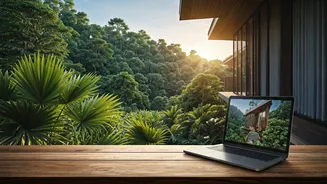



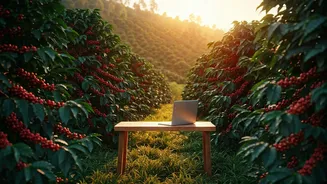

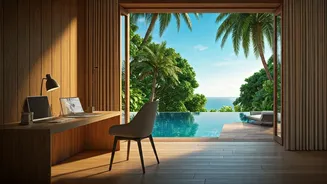


The New Corner Office is Open-Air
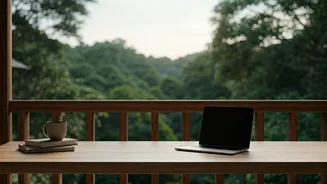
The 9-to-5 grind is being redefined, and its new headquarters look a lot like paradise. In places like Ubud and Canggu, a new wave of professionals is swapping ergonomic chairs for hammocks and fluorescent lighting for tropical sunlight. These aren't
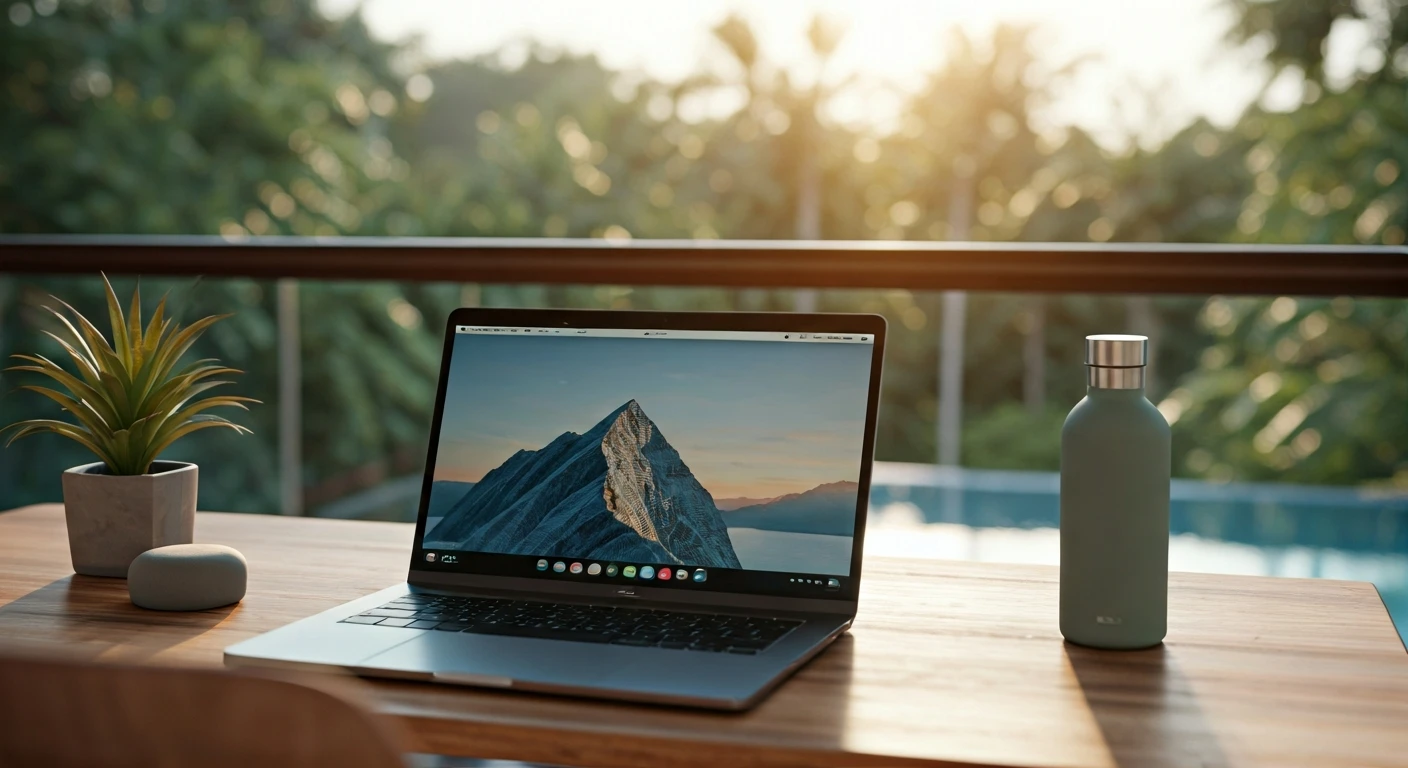
just tourists on a long holiday; they are 'digital nomads' who have relocated their entire professional lives to Bali's stunning eco-resorts. Their workday starts not with a crowded commute, but with a morning yoga session, followed by hours of focused work on a laptop, punctuated by fresh coconut water. The soundtrack to their conference calls isn't traffic, but the gentle hum of nature. This movement represents a fundamental shift from 'work-life balance' to 'work-life integration,' where professional ambition coexists with personal well-being and a connection to the environment.
Why Bali? Why Now?
The pandemic acted as a massive catalyst, proving to companies and employees alike that productive work doesn't require a physical office. For many Indian professionals in tech, marketing, and creative fields, this opened up a world of possibilities. Bali, with its affordable cost of living, vibrant culture, and established infrastructure for tourists and remote workers, became an obvious choice. But the appeal runs deeper than just good Wi-Fi and beautiful beaches. Many are fleeing the burnout and isolation of a conventional work-from-home setup. They are seeking community, purpose, and a slower, more intentional pace of life. The island's spiritual ethos and focus on wellness offer a potent antidote to the relentless hustle culture that has defined corporate life for decades.
Where Productivity Meets Permaculture
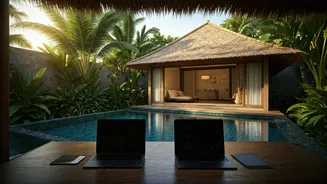
The resorts catering to this crowd are far from typical hotels. They are purpose-built communities designed to foster both productivity and sustainability. Places like Mana Earthly Paradise in Ubud offer eco-friendly villas and co-working spaces built from natural materials, powered by solar energy, and surrounded by organic gardens. Here, the 'amenities' aren't just a fast internet connection but also permaculture workshops, community dinners with farm-to-table food, and shared spaces that encourage collaboration and connection. Other hubs like Outpost have created a network of co-living and co-working locations that blend modern work facilities with a deep respect for Balinese culture and environment. The goal is to create a holistic ecosystem where residents can work efficiently, live healthily, and contribute positively to their surroundings.
The Practical Side of Paradise
While the lifestyle is idyllic, it isn't without its practical considerations. Until recently, digital nomads often navigated a grey area of visa regulations. However, the Indonesian government has recognized the economic potential of this trend and introduced a 'digital nomad visa' (the B211A Social-Cultural Visa), which allows for longer stays. Financially, while Bali can be more affordable than major Indian metros, the cost of living in popular nomad hubs is rising. A sustainable budget requires careful planning. Moreover, the dream of working from a poolside cabana sometimes clashes with the reality of deadlines, unreliable internet during a storm, or the self-discipline required to stay productive when the beach is calling. It's a lifestyle that demands flexibility, resourcefulness, and a clear distinction between work hours and leisure time.