




Step 1: Immediate Action On Reaching Home
The moment you step indoors, your priority should be to get your feet out of the wet environment. Remove your drenched shoes and socks immediately. Prolonged exposure to cold, wet conditions can lead to a painful condition known as trench foot, which
damages skin, nerves, and blood vessels. Even in warmer monsoon weather, the constant dampness creates friction, leading to blisters and sores, and provides a perfect breeding ground for fungi and bacteria. Allowing your feet to air-dry as soon as possible is the crucial first step in preventing these issues.
Step 2: A Thorough Cleansing Routine
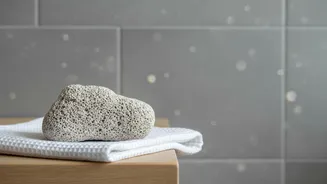
Once your feet are free, the next step is a proper wash. Use lukewarm water and a mild soap or antiseptic liquid to clean your feet thoroughly. Pay special attention to the spaces between your toes, as this is where moisture and fungi love to hide. After washing, drying is just as important. Pat your feet completely dry with a clean towel, again making sure the areas between the toes are free of any residual moisture. This simple act is one of the most effective ways to prevent common monsoon foot infections like Athlete's foot.
Step 3: Soothe, Moisturise and Protect
After drying, a little extra care can go a long way. If your feet are itchy, a simple home remedy like a vinegar soak (equal parts water and vinegar) can create an acidic environment that discourages fungal growth. Applying an antifungal powder is also a great preventative measure, as it helps absorb any lingering moisture and keeps fungi at bay. Follow this with a good foot cream to keep the skin hydrated and prevent cracking, but avoid applying lotion between the toes where it might trap moisture. For persistent itching, a paste of baking soda and water can provide relief.
Step 4: Don't Forget Your Footwear
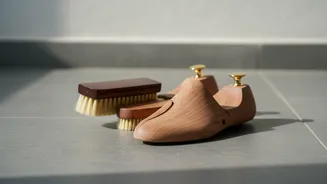
Caring for your feet is only half the battle; your wet shoes need attention too. Never wear damp shoes the next day, as this will just reintroduce moisture and bacteria. The best way to dry shoes without damaging them is to stuff them with crumpled newspaper. The paper absorbs moisture from the inside. Change the newspaper every few hours until the shoes are mostly dry. Once stuffed, let the shoes air-dry in a well-ventilated area, away from direct heat like a radiator or hairdryer, which can cause materials like leather to crack and warp. Removing the insoles and laces will also speed up the drying process.
Step 5: Prevention for the Next Downpour
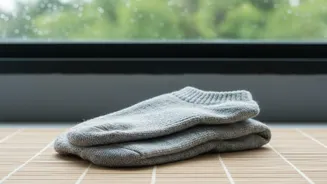
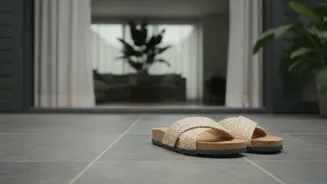
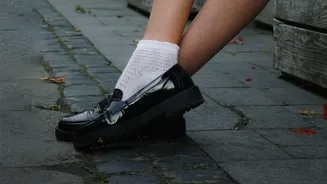
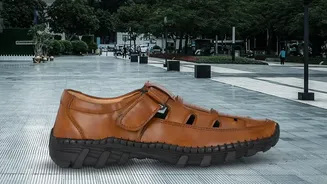
To make your next rainy commute more bearable, a few preventative steps are key. Opt for waterproof or open-toed footwear like floaters or sandals that allow water to drain easily and your feet to breathe. Avoid cotton socks, which retain moisture, and choose pairs made from moisture-wicking materials instead. If you must wear closed shoes, consider carrying a spare pair of dry socks to change into once you reach your destination. Alternating between two pairs of work shoes gives each pair 24 hours to dry out completely, preventing fungal growth.