




Setting Up Your Digital Base Camp
The foundation of a successful workation is solid infrastructure. Gangtok, a rising star for digital nomads, is surprisingly well-equipped. Major mobile network providers offer reliable 4G connectivity, which is sufficient for most remote work tasks.
For more demanding roles requiring stable, high-speed internet, several local broadband providers offer fibre plans. To ensure you’re always online, consider a portable 4G dongle as a backup. When it comes to your physical workspace, you have options. Many hotels and guesthouses offer work-friendly amenities like desks and reliable Wi-Fi with power backup. For those who prefer a more structured environment or crave community, Gangtok has a growing number of coworking spaces like Sanctorum and MyBranch, which offer everything from hot desks to private meeting rooms and, most importantly, fibre internet. A number of cafes also welcome remote workers, providing a relaxed atmosphere with good coffee and Wi-Fi.
Crafting the Perfect Work-Life Schedule
The key to this lifestyle is discipline. Treat your workdays in Gangtok as you would anywhere else. Set a fixed schedule from Monday to Friday, establishing clear start and end times. This structure is crucial for ensuring you meet your professional commitments, which in turn allows you to fully disconnect and enjoy your weekends guilt-free. Inform your colleagues about your time zone to manage expectations around availability. Gangtok’s peaceful environment can be a major productivity booster, but it's important to create a dedicated workspace to minimise distractions. Use your evenings to explore the local culture of Gangtok, from the vibrant MG Marg to the serene monasteries. By compartmentalising your work and leisure time, you create a sustainable routine that prevents burnout and makes your weekend adventures feel truly earned.
Planning Your Weekend Lake Escapades
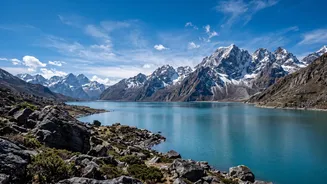
With your work week wrapped up, the adventure begins. Sikkim's alpine lakes are legendary, but visiting them requires some planning. The most popular weekend trip from Gangtok is to Tsomgo Lake (also known as Changu Lake), located about 40 kilometres away. This glacial lake is a stunning sight, frozen in winter and reflecting the clear blue sky in summer. The drive itself is a scenic journey, taking about two to three hours. For a more ambitious trip, consider Gurudongmar Lake in North Sikkim. This high-altitude lake is one of the world's highest and requires an overnight stay in the village of Lachen to acclimatise before an early morning start to the lake. The best seasons for these trips are spring (March to May) and autumn (October to November), when the weather is clear and the views are spectacular.
Navigating Permits and Practicalities
Due to Sikkim's proximity to international borders, certain areas require a Protected Area Permit (PAP) for all tourists, including Indian citizens. This applies to destinations like Tsomgo Lake and North Sikkim (for Gurudongmar Lake). These permits are generally not something you can get on your own; they must be arranged a day in advance through a registered Sikkim tour operator or your taxi driver. You will need to provide a valid photo ID (like a Voter ID or Driving Licence) and passport-sized photographs. It's important to note that foreign nationals have additional restrictions; they require an Inner Line Permit (ILP) just to enter Sikkim and are not permitted to visit certain areas like Gurudongmar Lake at all. Always consult with a local travel agent for the most current regulations before planning your trip.
Budgeting for Your Mountain Life
Living and working in Gangtok can be quite affordable with some planning. Rent for a basic one-bedroom apartment can range from ₹5,000 to ₹9,000 per month, depending on the location. Coworking spaces offer monthly passes starting from around ₹6,000. Daily expenses for food and local transport are higher than in cities like Siliguri but remain reasonable. A meal at a mid-range cafe might cost between ₹600-₹800. Weekend trips will be your main leisure expense. A shared taxi or a private cab to Tsomgo Lake can be arranged through local operators, with costs varying based on the season and vehicle type. For longer trips to North Sikkim, it's best to book a package that includes transport, accommodation, and permits, which provides better value and logistical ease.