


Start with 'Anchor' Ingredients
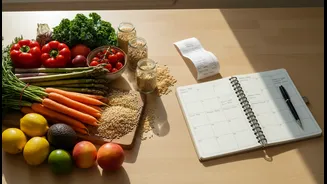
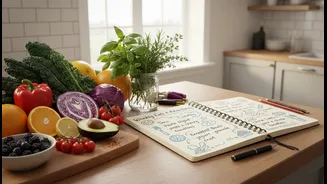
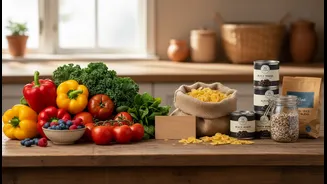
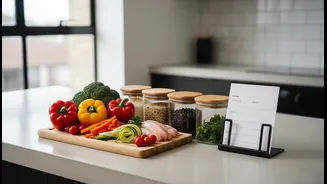
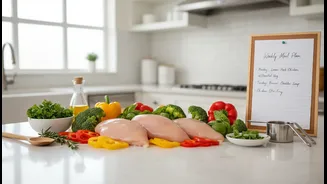
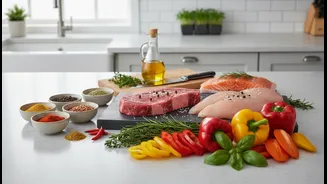
The foundation of a flexible weekly menu is choosing a few core 'anchor' ingredients. Instead of planning seven distinct dinners with seven separate shopping lists, think about two or three proteins and a handful of versatile vegetables that can be used
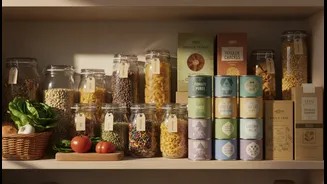
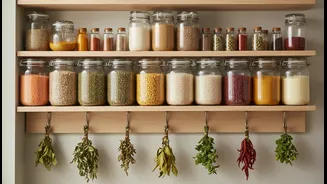
across multiple meals. For instance, a whole roasted chicken on Sunday can become shredded chicken for tacos on Tuesday and the base for a hearty soup on Thursday. Similarly, a large batch of chickpeas or rajma can be used in a traditional curry one night and a vibrant salad the next. Taking inventory of what you already have in your pantry and the fridge before you shop is a crucial first step to prevent buying duplicates and ensure you use up what you have on hand.
Think in Components, Not Just Dishes
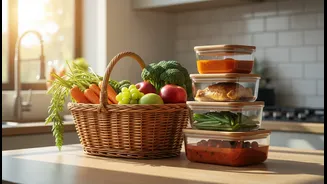
Shift your mindset from preparing entire meals in advance to prepping components. This is a game-changer for variety. On a Sunday, you could cook a large batch of basmati rice, roast a tray of mixed vegetables (like potatoes, bell peppers, and carrots), and prepare a versatile base sauce, like an onion-tomato masala or a simple ginger-garlic paste. With these components ready, weekday dinners become an assembly job. The roasted vegetables can be a side dish one night, tossed into a quinoa salad for lunch, or blended into a soup later in the week. The pre-cooked rice can be served with dal, turned into fried rice, or used to make lemon rice. This approach allows for daily customisation, keeping meals fresh and exciting.
Master the Art of Transformation
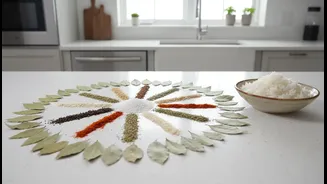
The key to avoiding repetition is to make the same ingredient feel completely new. This is done through transformation. The texture, flavour, and form of an ingredient can be changed dramatically with a different cooking method or by adding new spices and sauces. Leftover roasted potatoes can be mashed, spiced, and turned into aloo tikkis or sautéed with onions for a breakfast hash. Stale bread can find new life as crunchy croutons for soup, breadcrumbs for cutlets, or the base for a comforting bread pudding. A simple dal from one night can be transformed into paratha stuffing the next day. The leftover shredded chicken from your tacos can be mixed with a different sauce to become a sandwich filling or a topping for a homemade pizza.
Embrace the 'Cook Once, Eat Twice' Philosophy
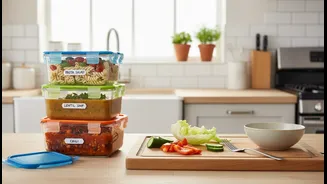
The 'cook once, eat twice' (or even thrice) strategy is about being intentional with leftovers. It's not just about reheating the same meal, but repurposing it into something new. When you make a large pot of chili or sambar, plan to use the leftovers in a different context. The chili can top baked potatoes or be used in a layered enchilada-style pie. Leftover sabzi can be stuffed into a dosa or a grilled sandwich. This method saves significant time on busy weeknights because the main component of your meal is already cooked. Freezing portions is also a powerful tool; you can freeze half of a large batch of curry or dal for a meal in a couple of weeks, instantly adding variety to your future menu with zero extra effort.