






For eleven days in November, the tech world held its breath. Jensen Huang, the iconic founder and CEO of Nvidia, was gone. His abrupt resignation on November 12 triggered a crisis, only to be upended by his stunning reinstatement on November 23.
An Indispensable Leader's Shocking Exit
Jensen
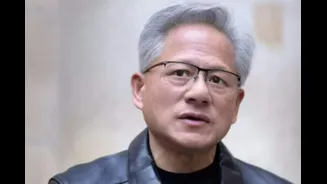
Huang isn't just a CEO; he's the visionary who co-founded Nvidia in 1993 and steered it from a graphics card maker into a multi-trillion dollar behemoth at the center of the AI revolution. For over 30 years, he was the only leader the company had ever known. That's why his sudden resignation on November 12, 2026, sent shockwaves through the industry. The departure came amid a board investigation into his personal conduct, including reports of extramarital affairs, one of which involved a woman U.S. authorities reportedly suspected of being linked to a foreign intelligence effort. The news was a gut punch to the market, and shares plunged as investors grappled with the reality of Nvidia without its chief architect.
A Crisis of Succession
The panic was magnified by a glaring vulnerability: Nvidia had no formal succession plan. Huang himself had publicly expressed his skepticism about such plans, believing instead in the continuous transfer of knowledge. This philosophy was put to a brutal real-world test. The board appointed Chief Financial Officer Colette Kress as Interim CEO, a dual role she managed while the company began a formal search for a permanent leader. Kress provided a steady hand, but her appointment was seen as a temporary bridge over a chasm of uncertainty. The 11-day period without Huang at the helm saw Nvidia's stock lose a significant portion of its value as the market priced in the risk of a leaderless future. Competitors saw a potential opening, and the entire AI ecosystem, which relies heavily on Nvidia's technology and roadmap, faced a period of profound instability.
The Unprecedented Return
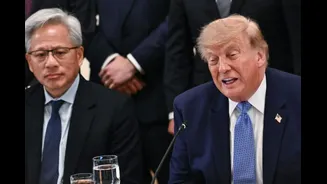
Just as the industry was beginning to adjust to a new reality, the story took another dramatic turn. On November 23, Nvidia's board announced it had unanimously voted to reinstate Jensen Huang as CEO, effective immediately. The reversal was as shocking as the initial resignation. In its statement, the board cited renewed confidence in Huang's leadership and candor. Crucially, it also noted it had received input from 'senior levels of the United States government' and was confident his return posed no national security risk. President Donald Trump also publicly confirmed he had spoken with the board in favor of the decision. The market's reaction was immediate and euphoric. Nvidia's stock surged more than 30% in a single day, one of its best performances in history, wiping out the losses incurred during the crisis and signaling overwhelming relief from investors.
Lingering Scars and Open Questions
While Huang's return plugged the leadership void, the chaotic episode left behind new questions. The board's whiplash-inducing reversal—from stating it had 'no intention of rehiring' him to unanimously reinstating him just days later—has drawn scrutiny, with some analysts questioning its judgment and credibility. Furthermore, Huang's return doesn't conclude the board's independent investigation into his conduct or resolve other concerns, such as regulatory probes into the company's financial dealings. Although the immediate crisis of succession is over, the underlying issues that triggered it remain. The company has since created a new national security oversight committee and begun a search for a Chief Compliance Officer, moves that suggest an acknowledgment of the governance gaps the scandal exposed.