

The Hiker's Foundation: Reacting to the Earth
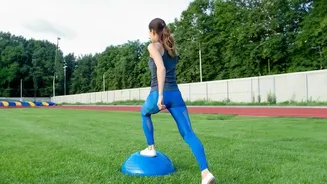
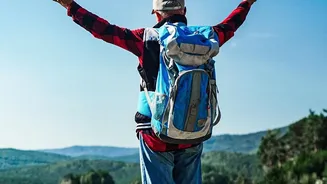
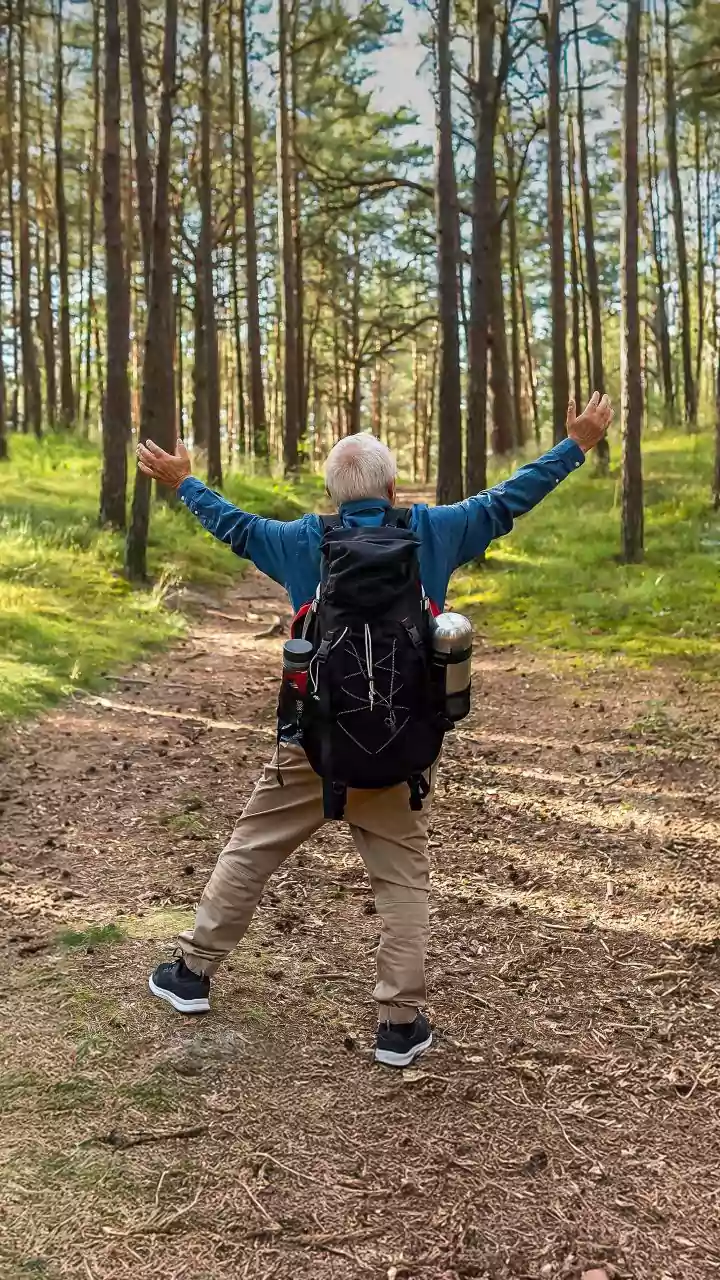
Hiking is a battle against gravity and unpredictable terrain. Every step on an uneven path, rock, or root forces your body to make constant, subtle adjustments. This process heavily relies on and develops proprioception—your body's innate sense of its
position in space. Your nerves, muscles, and joints are in constant communication to prevent a rolled ankle or a fall. The primary challenge in hiking is external; you are reacting to the ground beneath you. This builds incredible stability, particularly in the smaller stabilizing muscles around your ankles, knees, and hips. These muscles are tasked with keeping you upright as the surface changes unexpectedly. Ascending a steep incline engages the large muscles like the glutes, hamstrings, and calves for power, while descending heavily recruits the quadriceps to act as brakes, controlling your momentum.
The Skateboarder's Flow: Controlling the Instability
Skateboarding flips the script. Instead of reacting to unstable ground, you are creating and controlling instability on a moving board. The challenge is internal. Balance on a skateboard is dynamic; it's a series of continuous, fluid adjustments to maintain your centre of gravity over a surface that is designed to roll and tilt. This process intensely engages your core, which acts as the anchor for all movement. Every push, turn, and trick originates from a stable core that connects the upper and lower body. While hiking strengthens through steady endurance, skateboarding builds explosive power and reactive strength. The muscles in the feet, ankles, and legs are constantly making micro-adjustments to steer the board and absorb vibrations, improving coordination and reaction time.
Weight Shifts: Deliberate Steps vs. Fluid Carves
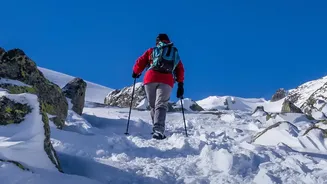
The way you shift your weight in each activity is fundamentally different. When hiking, weight shifts are deliberate and sequential. You commit your weight fully from one foot to the other with each step. It’s a rhythmic, forward-marching motion. Your stability comes from creating a solid base on uneven ground before transferring your full body weight onto it. Using trekking poles can further aid this process by distributing some of the load and providing additional points of contact. In skateboarding, weight shifts are rapid, subtle, and multi-directional. Shifting weight from your heel to your toe carves the board in a turn. A quick shift to the tail initiates an ollie or a manual. Balance is maintained not by planting your feet, but by constantly moving your body's centre of gravity in response to the board's momentum and direction. This develops a unique kind of body awareness, where tiny movements in your hips and shoulders translate directly into the board's behaviour.
Muscle Engagement: Endurance vs. Power
Hiking is predominantly an endurance activity. It builds strength in large muscle groups through sustained, low-to-moderate intensity effort over a long duration. Research shows that walking on uneven terrain increases energy expenditure by up to 28% compared to walking on a flat surface, making it a powerful workout. The focus is on muscular endurance, particularly in the quads, glutes, and calves, which propel you uphill and control your descent. Skateboarding, by contrast, mixes low-intensity cruising with high-intensity bursts of power. It's a full-body workout that emphasizes the core, glutes, and lower legs. Pushing off the ground is a single-leg explosive movement, while tricks require coordination and power from fast-twitch muscle fibres. The constant need to balance strengthens the small, often-neglected stabilizer muscles, providing benefits for overall mobility and reducing the risk of falls in other aspects of life.