


Your Calf Is Two Muscles, Not One
When most people think of the calf, they picture a single muscle. In reality, it's a team of muscles, dominated by two key players: the gastrocnemius and the soleus. The gastrocnemius is the larger, more visible muscle that forms the familiar bulge at the back
of your leg. It's built for power, engaging in explosive movements like jumping and sprinting. Beneath it lies the soleus, a flatter, broader muscle. The soleus is an endurance workhorse, essential for activities like walking and maintaining posture. Understanding this distinction is vital because different exercises target them differently. Straight-leg movements primarily hit the gastrocnemius, while bent-knee exercises focus more on the soleus.
The Calf's Role in a Perfect Step-Up
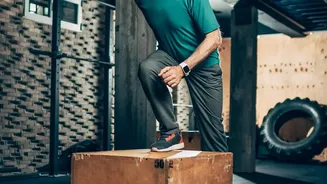
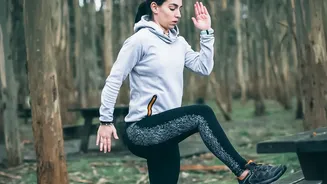
A step-up is a compound exercise that works your glutes, quads, and hamstrings, but your calves are the unsung heroes providing stability and power. As you place your foot on the box or bench, your calf muscles engage to keep your ankle stable. The main push, however, comes from driving through your heel to activate your glutes and quads. Your calves then assist in the final push-off phase to lift your body. During the controlled lowering phase—a crucial part of the exercise—the calf muscles work eccentrically (while lengthening) to help slow your descent and absorb impact, protecting your joints.
Common Mistakes That Risk Injury
Improper form can quickly turn this effective exercise into a source of strain. One of the most common mistakes is using a box that is too high, which can force your knee into an unsafe angle and put excessive strain on your joints. Another frequent error is pushing off with the back foot instead of driving through the heel of the leading foot on the step. This uses momentum rather than muscle and reduces the effectiveness of the exercise. Similarly, letting your heel hang off the edge of the step can overstretch the Achilles tendon. Finally, dropping down too quickly on the descent instead of controlling the movement robs you of half the exercise's benefits and increases your risk of injury.
How to Prepare Your Calves for Action
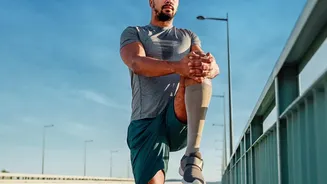
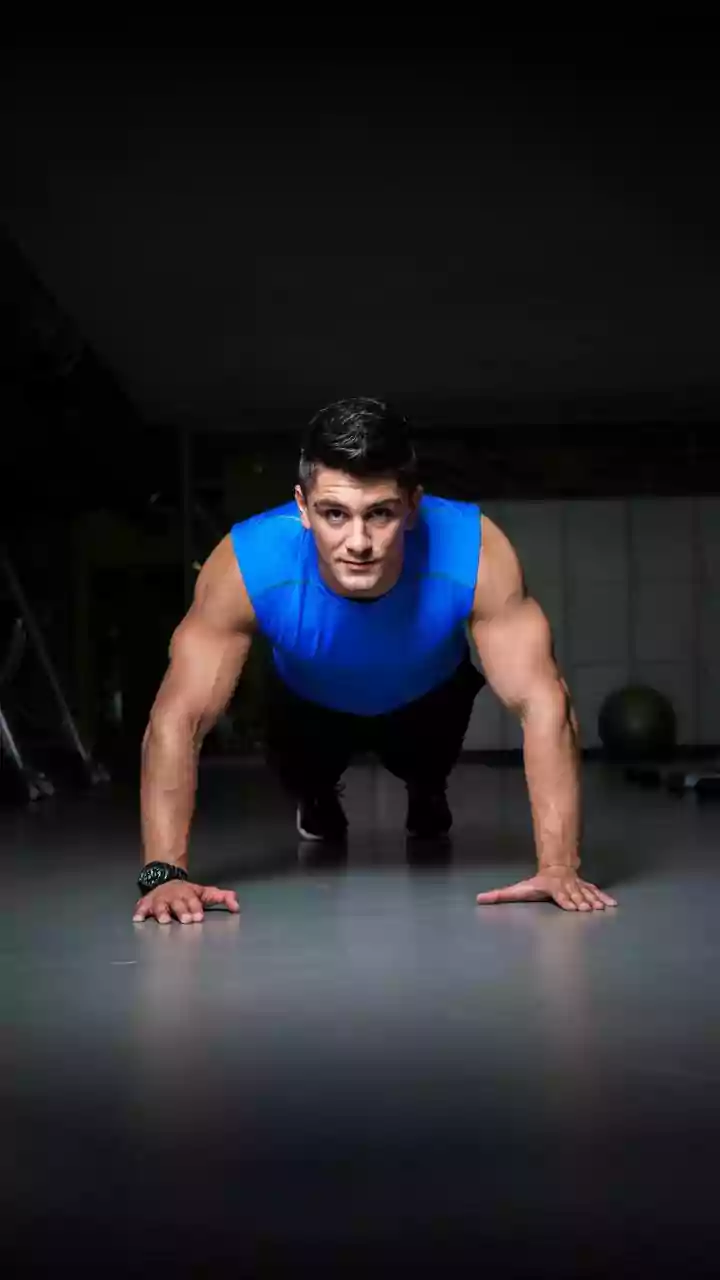
A proper warm_up is non_negotiable. Before you even look at a step, prepare your muscles with dynamic stretching to increase blood flow and mobility. Start with simple dynamic calf stretches, like ankle pumps or gentle calf pumps in a push_up position, to get the muscles ready for movement. To target both muscles, perform two types of stretches. First, a straight_leg calf stretch against a wall to target the gastrocnemius. Then, bend your knee slightly during the stretch to isolate and warm up the deeper soleus muscle. A few minutes of light cardio, like jumping rope or toe walks, can also help prepare your lower legs for the work ahead.
Building a Stronger Foundation
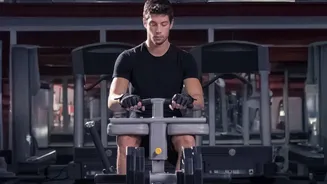
To truly support your step_up routine, incorporate specific strengthening exercises for your calves. The classic calf raise is your best friend here. Standing calf raises, where you push up onto your toes with straight legs, are excellent for building power in the gastrocnemius. To target the endurance_focused soleus, perform seated calf raises or calf raises with your knees bent. Aim for controlled movements, focusing on the full range of motion. For an added challenge and to correct imbalances, try single_leg calf raises. Stronger calves won't just improve your step_ups; they'll enhance your stability in nearly every daily activity.