





An August Sky Packed With Wonders
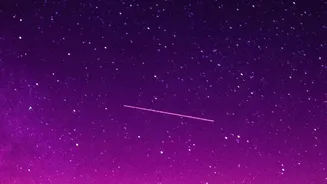
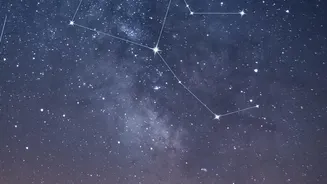
August 2026 is a spectacular month for astronomy, headlined by one of the year's best meteor showers. The Perseid meteor shower will peak on the night of August 12-13. This year's event is particularly special because it coincides with a new moon, which
means the sky will be exceptionally dark, allowing even faint meteors to shine. Under ideal conditions, away from city lights, you could see up to 100 meteors per hour. The best viewing time in India will be in the pre-dawn hours of August 13, between 2:00 AM and 4:30 AM IST. Look towards the northeastern sky to catch the show. Beyond the Perseids, a pre-dawn alignment of six planets—Mercury, Mars, Jupiter, Saturn, Uranus, and Neptune—will grace the sky around August 12. While Mars and Saturn will be fairly easy to spot with the naked eye, you'll need a clear eastern horizon for Mercury and Jupiter, and binoculars for Uranus and Neptune.
Getting Started: Your First Stargazing Kit
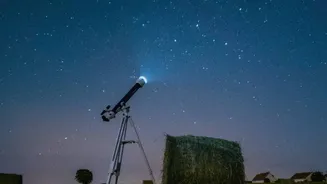
The best part about starting with astronomy is that you don't need expensive equipment. The most essential tools are your own eyes. Find a comfortable spot, lie back, and give your eyes at least 15-20 minutes to fully adjust to the darkness. This simple step dramatically increases the number of stars you can see. If you want a bit more power, a standard pair of binoculars is a fantastic next step, offering closer views of the moon's craters and revealing details in star clusters that are invisible to the naked eye. Forget the pressure to buy a telescope right away; the universe is full of wonders you can appreciate without one.
An Observatory in Your Pocket
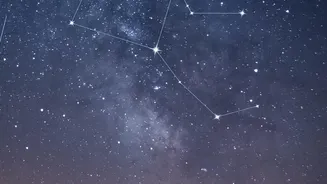
Technology has made navigating the night sky easier than ever. Several smartphone apps act as a portable planetarium, using your phone's location and sensors to identify stars, planets, and constellations in real-time. Simply point your phone at the sky, and the app will tell you what you're looking at. Popular and beginner-friendly apps available in India for both Android and iOS include Star Walk 2, SkyView, and Stellarium Mobile. Many of these apps are free and can show you where to find the Perseid's radiant point or locate Saturn in the celestial expanse.
Navigating the Monsoon Challenge
Stargazing in India during August comes with a significant challenge: the monsoon. Cloudy skies can frustrate even the most patient observer. However, it doesn't have to be a deal-breaker. The key is to be flexible and opportunistic. Keep a close eye on the weather forecast for your area. Apps and websites that provide satellite imagery can help you spot clear patches in the clouds. When a clear night presents itself, be ready to head out. Sometimes the best views come after a spell of rain has cleared the dust and haze from the atmosphere, leading to exceptionally transparent skies.
Finding a Dark Sky Spot
To truly experience the magic of the night sky, you need to escape the light pollution of cities. For most people, this means a short drive to the outskirts of town, a local park, or a nearby hill. The goal is to find a location with an unobstructed view of the sky, away from direct streetlights and building lights. For those seeking a truly immersive experience, India has several renowned dark-sky locations. High-altitude deserts like Spiti Valley and Ladakh (home to the Hanle Dark Sky Reserve) offer some of the clearest skies in the world. Other accessible options include the Rann of Kutch in Gujarat, Coorg in Karnataka, and various spots in the Sahyadri mountains. Even a trip to a nearby village or farmhouse can reveal a sky far richer than the one visible from a city balcony.