






What is Flavour Maximalism?
For years, the high-end culinary world worshipped at the altar of minimalism—clean flavours, simple preparations, and a focus on a single, perfect ingredient. Flavour maximalism is the delicious rebellion against that. It’s a sensory-driven movement that embraces
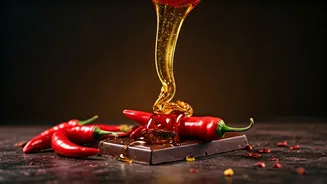
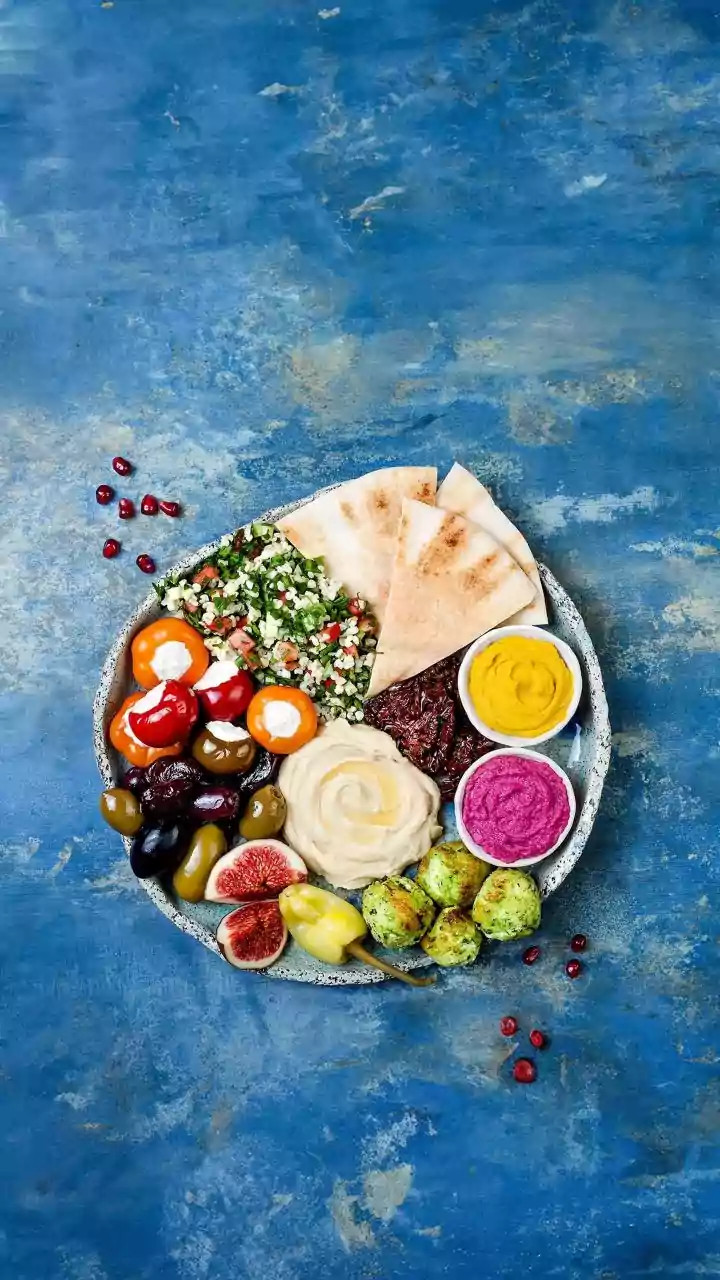
more: more spice, more texture, more contrast. Think of it as a symphony, not a solo, where contrasting elements like sweet, sour, spicy, and umami create a fireworks display in your mouth. This trend has seen the rise of complex sauces, unexpected spice pairings like chili in desserts, and layered textures that engage all the senses. It’s about creating a memorable, intense, and emotionally resonant eating experience that cuts through the noise of modern life.
An Ancient Philosophy, Not a New Trend
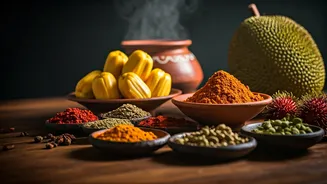
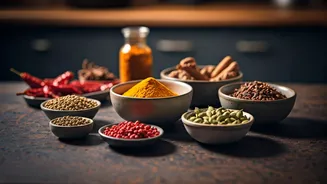
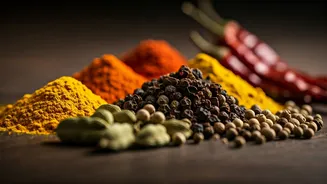
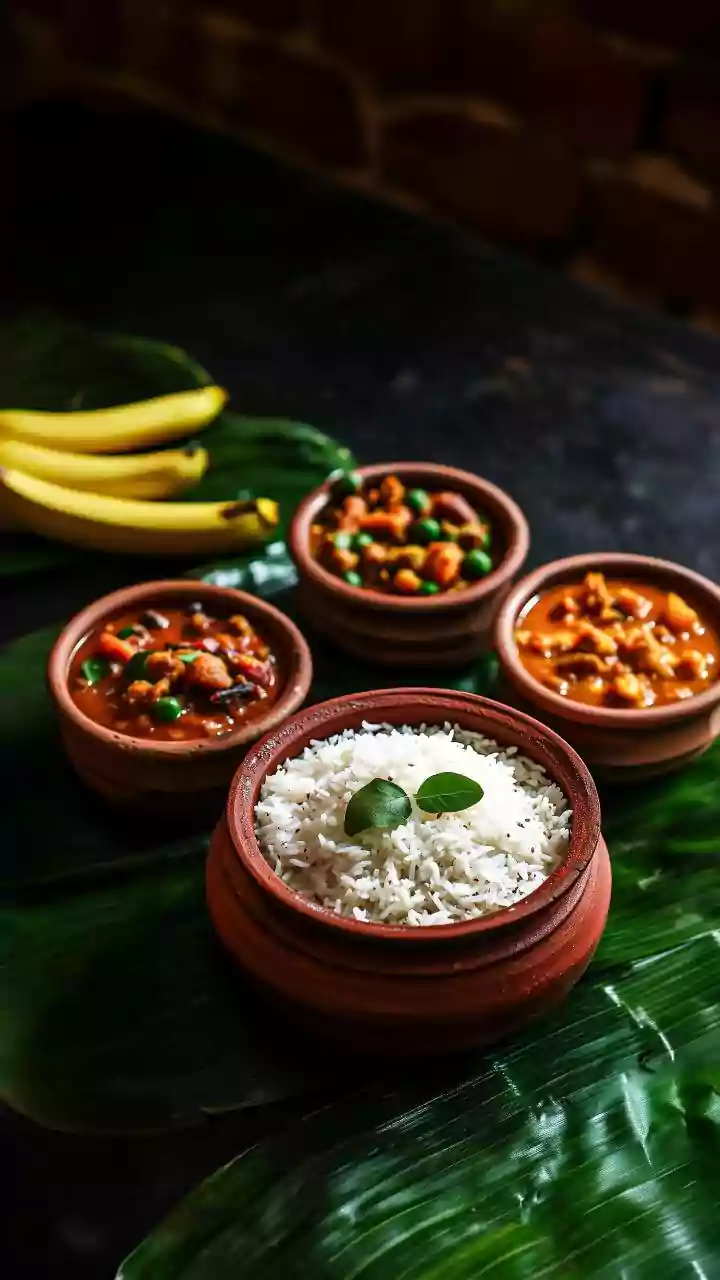
While the term is new, the philosophy is ancient, especially in India. For millennia, Indian cooking has been inherently maximalist. The art of our cuisine lies not in simplicity, but in the masterful blending of a multitude of spices and ingredients to create a harmonious, multi-layered whole. The very concept of a *masala*—a signature blend of spices that varies by region, community, and even family—is maximalism in practice. It has never been about a single dominant note, but how dozens of spices come together to create something satisfying and complete. This approach is deeply embedded in our cultural DNA, from the Indus Valley Civilization's use of spices to the rich, layered dishes brought by Mughal influence.
The Science of Six Tastes
This complexity isn't random; it's rooted in ancient wisdom. Ayurveda, India’s traditional system of medicine, outlines the principle of *Shad Rasa*, or the six tastes: sweet (Madhura), sour (Amla), salty (Lavana), pungent (Katu), bitter (Tikta), and astringent (Kashaya). A balanced and satisfying meal, according to Ayurveda, is one that contains all six of these tastes. This framework explains why a simple meal can leave you feeling unsatisfied, while a well-rounded Indian thali provides a profound sense of contentment. Each taste serves a purpose, and their interplay ensures a holistic and complete sensory experience. It’s a time-tested formula for flavour architecture.
From Chaat to Biryani: Maximalism in Action
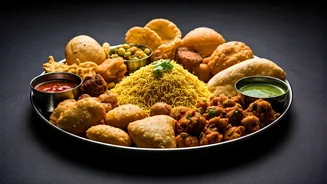
Look no further than our street food and festive dishes for perfect examples. A single bite of pani puri is an explosion of maximalist flavour: the pungent, spicy water, the sweet and sour tamarind chutney, the savoury filling, and the crunchy puri. It’s a masterclass in hitting multiple flavour and texture notes simultaneously. Similarly, a well-made biryani is a study in layered complexity. The fragrant rice, the deeply marinated meat or vegetables, the fried onions, the fresh herbs, the subtle saffron, and the cooling raita served alongside it—all work in concert. It’s not about one flavour, but about the story they tell together. Even a simple *dal tadka*—lentils tempered with ghee and spices—is an act of layering flavour at the very last moment to add a final, vibrant dimension.
Our Culinary Soul on the World Stage
As the world embraces 'swicy' (sweet and spicy) and 'swangy' (sweet and tangy) combinations, it’s an opportunity to recognize that these aren’t novelties in Indian kitchens; they are foundational principles. Our cuisine has always played with the balance of heat from chillies, sourness from tamarind or lemon, and sweetness from jaggery or fruit. Modern Indian chefs and restaurants are now presenting this inherent maximalism on a global stage, moving beyond clichés to showcase the true depth and complexity of our food. They are proving that this philosophy is not just traditional, but also incredibly contemporary and versatile.