


The West’s “Swicy” Discovery
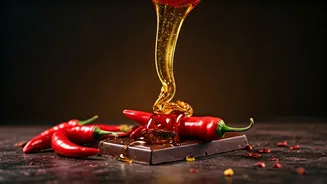
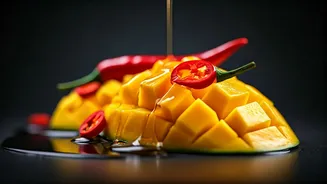
From hot honey drizzled on fried chicken to mango habanero sauces and chili-infused chocolate, the combination of sweet and spicy is captivating Western taste buds. Dubbed 'swicy,' this flavor profile is being hailed as an exciting, new culinary frontier,
driven by a consumer desire for more complex and globally-inspired tastes. Restaurants and food brands are innovating with pepper-specific flavors like serrano and habanero paired with sweet elements. This fusion, however, which seems novel in many parts of the world, is a foundational element of many cuisines, particularly in India, where the concept has been perfected over centuries.
A Gujarati Tradition of Balance
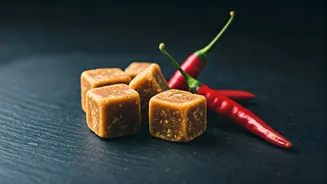
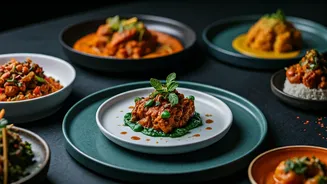
In the western state of Gujarat, the blend of sweet, sour, and spicy is not a trend, but the very soul of its cuisine. A classic Gujarati thali is a masterclass in flavor equilibrium. The signature Gujarati dal is a perfect example, a concoction of toor dal (split pigeon peas) that is simultaneously tangy from kokum or tamarind, sweet from jaggery (unrefined cane sugar), and spiced with chillies and other aromatics. This philosophy extends to its snacks, known as 'farsan.' The world-famous dhokla, a steamed and spongy cake, often carries this signature sweet-and-sour taste. This demonstrates a culinary tradition where balancing opposing flavors is not an occasional experiment but an everyday art form.
Parsi Cuisine’s Persian-Indian Harmony
The Parsi community of India, with roots in Persia, has a cuisine renowned for its sophisticated flavor profiles, and Dhansak is its crowning glory. This iconic dish is a hearty stew of lentils, vegetables, and meat (traditionally mutton), which beautifully marries Persian and Gujarati culinary influences. The flavor of Dhansak is a complex tapestry of sweet, sour, and mildly spicy notes. Sweetness comes from ingredients like pumpkin and jaggery, tartness from tamarind, and a gentle heat from a special Dhansak masala blend, which is more aromatic and less fiery than typical curry powders. Served with caramelized brown rice, it’s a complete meal that showcases a centuries-old understanding of flavor layering.
The Sweet-Heat of the South
South Indian cuisine is often stereotyped as being purely spicy, but it boasts a remarkable range of dishes that expertly balance heat with sweetness. A prime example is the 'pachadi,' a side dish that is a cousin to the North Indian raita. Pachadis can be made with a variety of fruits and vegetables, and many, like Pineapple Pachadi or Mango Pachadi, blend the sweetness of the fruit with the heat of green or red chillies, the tang of yogurt, and the earthiness of coconut. Another classic is Kerala's Puli Inji, a hot, sweet, and sour relish made from ginger, jaggery, tamarind, and green chillies, traditionally served as part of the Sadya feast. It’s a testament to the region's ability to create bold, yet perfectly balanced, flavors.
Chutneys, Chillies, and The Art of a Balanced Bite
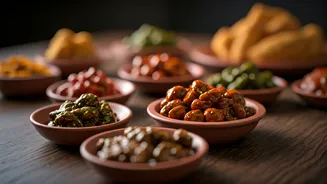
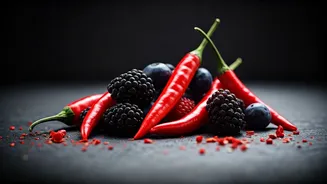
Perhaps the most ubiquitous expression of sweet and heat in India is the chutney. From Bengali tomato and date chutney, which acts as a palate cleanser at the end of a meal, to the tamarind and jaggery chutney (saunth) that is essential to any chaat, these condiments are designed to provide a burst of contrasting flavors. The key to the 'heat' in all these dishes is, of course, the chilli pepper. Interestingly, chillies are not native to India; they were introduced by the Portuguese in the 16th century. Before their arrival, heat in Indian food came from black pepper and ginger. However, Indian cooks so masterfully integrated the chilli into their existing sweet-and-sour flavor philosophies that it’s now impossible to imagine the cuisine without it.