


A Record-Breaking Figure
On November 2, 2026, during the pre-Diwali rush, the driverless corridors of the Delhi Metro catered to 1.6 million passengers. This was a significant moment, as it represented nearly 20% of the entire network's massive eight million daily passengers on that
day. This surge in numbers highlights a growing acceptance and dependence on this relatively new technology, which was first introduced in India just six years ago in December 2020. The sheer scale of this single-day ridership on just two lines is impressive, exceeding the entire population of the state of Arunachal Pradesh, according to 2011 census data.
The Driverless Corridors Explained
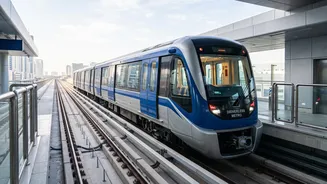
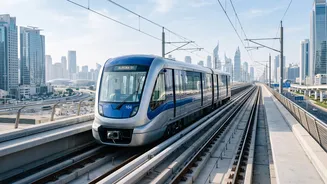
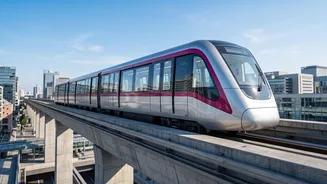
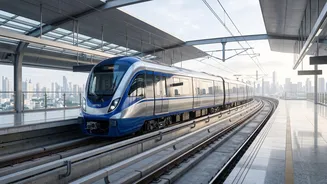
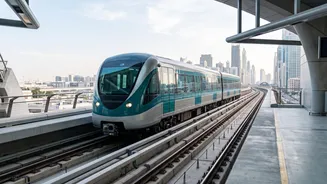
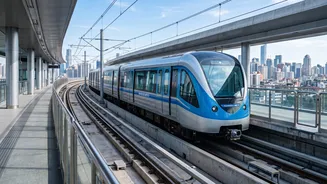
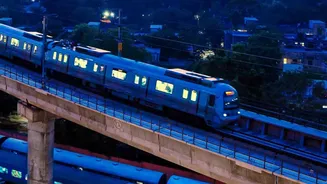
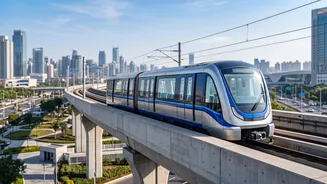
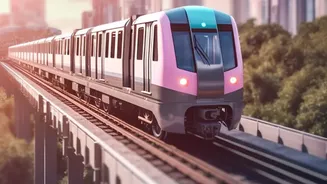
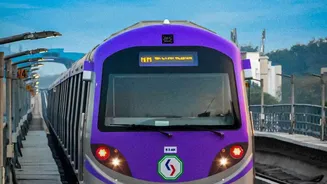
The driverless operations are currently active on two key lines: the Magenta Line (Janakpuri West to Botanical Garden) and the Pink Line, the network's longest corridor. Together, these two lines cover approximately 120 kilometres, which accounts for about 29% of the entire Delhi Metro network. The Delhi Metro Rail Corporation (DMRC) operates 100 trains with Unattended Train Operation (UTO) technology on these routes. The first driverless service was inaugurated on the Magenta Line on December 28, 2020, with the Pink Line following suit, creating one of the largest driverless metro networks in the world.
Why Are These Lines So Popular?
The high ridership isn't just about the novelty of the technology; it's rooted in practicality. The Pink and Magenta lines are crucial arteries that connect major residential areas, commercial hubs, and educational institutions across Delhi and the NCR. The Pink Line, for instance, forms a ring around the city, intersecting with almost every other metro line, making it a vital corridor for transfers. The Magenta Line significantly cuts travel time between South Delhi, Noida, and West Delhi. The high frequency and reliability of these automated services, which can reduce human error, also contribute to their appeal for daily commuters.
The Technology Driving the Change
Driverless trains operate using an advanced signalling technology known as Communication-Based Train Control (CBTC). This system allows for real-time monitoring and control of trains, enabling them to run at shorter intervals and higher frequencies. While the term 'driverless' can sound daunting, the system is designed with multiple layers of safety. The trains undergo exhaustive self-tests before entering service, which enhances reliability. Although there are no drivers in the cabin, DMRC staff are deployed at stations and control centres to monitor operations and manage any emergencies, ensuring passenger safety remains paramount.
The Future is Automated
The success of this ridership record is seen by many, including DMRC's Managing Director Vikas Kumar, as a sign that other metro projects in India should consider adopting this model. Proponents argue that automation offers more operational flexibility, improves service availability, and minimises human errors. DMRC plans to expand its driverless network to 198 kilometres as part of its ongoing projects. While some critics raise concerns about high initial costs and the impact on jobs, DMRC has stated that train operators have been redeployed to other crucial roles like station management rather than being laid off. This milestone suggests that automated public transport is not just a futuristic concept but a functional and increasingly integral part of India's urban mobility story.