







Beyond the Landmark Checklist
For years, a successful city break was measured by how many landmarks you could photograph. The Gateway of India, a ride past India Gate, a glimpse of the Howrah Bridge—these were the markers of a trip well spent. But a significant shift is underway.
Today’s urban explorer is trading the passive act of sightseeing for the active pursuit of experiences. Instead of just visiting a city, they are participating in it. This evolution marks a move away from checklist tourism, where the goal is to see as much as possible, towards a more immersive, meaningful form of travel. The focus is less on the ‘what’ and more on the ‘how’. It’s the difference between seeing a heritage site and taking a guided heritage walk that brings its stories to life, or between eating at a famous restaurant and joining a local food trail that uncovers hidden culinary gems.
What's Driving This Shift?
Several factors are fuelling this change. The post-pandemic world has left people with a greater desire for authentic connection and meaningful activities. Having spent extended periods in lockdown, many now prioritise personal growth and creating lasting memories over accumulating material goods. This sentiment is especially strong among Millennial and Gen Z travellers, who are increasingly shaping the travel industry. This demographic values self-discovery and is willing to spend on unique experiences that offer more than just a photo opportunity. Social media also plays a crucial role. While once a platform for showcasing landmark selfies, it now highlights niche activities like pottery workshops, artisanal coffee brewing sessions, and urban trekking, inspiring others to seek out similar, shareable moments that tell a more personal story.
The Rise of the 'Two-Hour Holiday'
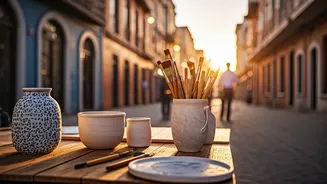
This trend isn't just for out-of-towners; it's reshaping how city dwellers spend their own weekends. The concept of the 'two-hour holiday'—a short, immersive activity within one's own city—is gaining traction. For a generation battling burnout and time scarcity, these micro-adventures offer a quick reset without the need for extensive planning or travel. This could mean a Sunday morning spent at a calligraphy workshop in a quiet studio, an evening learning about local history on a curated walk, or a few hours at a farm-to-table cooking class. These activities are becoming the new default for a weekend outing, replacing passive entertainment like mall visits or movie-watching. They are participatory, intentional, and woven into the fabric of daily urban life, reflecting a broader shift towards prioritising time well spent.
What This Looks Like Across India
Across India's metros, a vibrant ecosystem of entrepreneurs and small businesses has emerged to cater to this demand. In Delhi, heritage walks through the narrow lanes of Shahjahanabad offer a deep dive into Mughal history. Mumbai sees a rise in 'khau galli' food tours and urban art walks that explore the city's street culture. In Bengaluru, techies unwind with weekend pottery classes and trekking expeditions on the city's outskirts. Cities like Jaipur and Udaipur are no longer just about palace tours; they now offer block-printing workshops and miniature painting classes. Even spiritual destinations like Rishikesh and Varanasi are expanding beyond their traditional offerings, with a boom in yoga retreats, wellness workshops, and organised spiritual gatherings that provide a more structured, immersive experience.
The Economic and Cultural Impact
This move towards experiential travel is a significant boon for local economies. It empowers small-scale entrepreneurs—the guide, the artisan, the home cook, the workshop host—allowing them to directly benefit from the tourism ecosystem. It diversifies a city’s tourism offerings beyond a few crowded monuments, spreading visitor footfall and spending into different neighbourhoods. Furthermore, this trend fosters a deeper appreciation for local culture and living traditions. When travellers participate in a craft workshop or listen to stories from a local historian, they are not just consuming culture but helping to sustain it. It ensures that heritage is not just something to be viewed from behind a rope but is a dynamic, living part of the city's identity.