







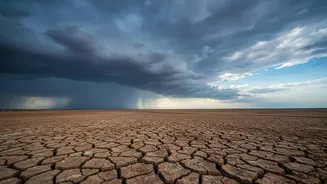
The Deceptive Coolness of Rain
After weeks of relentless heat, the arrival of the monsoon feels like a blessing. The downpour cools the asphalt, settles the dust, and brings a pleasant drop in the thermometer reading. For a short while, everything feels fresh and comfortable. However,
this initial relief masks a hidden threat. As soon as the rain stops and the sun reappears, the vast amount of water on the ground and in the atmosphere begins to evaporate, sending humidity levels soaring. This combination of heat and extreme humidity creates a dangerous environment that can be more stressful for the body than a dry heatwave.
How Your Body Fights Heat (And Why Humidity Stops It)
Your body has a brilliant, built-in air-conditioning system: sweating. When your core temperature rises, your brain signals millions of sweat glands to release moisture onto your skin. As this sweat evaporates into the air, it carries heat away from your body, effectively cooling you down. This process works wonderfully in dry conditions. The problem is that evaporation can only happen if the surrounding air isn't already full of water vapor. High humidity means the air is already saturated with moisture. As a result, your sweat cannot evaporate efficiently; it just sits on your skin or drips off, providing little to no cooling effect. Your body, trying to cool down, keeps producing more sweat, leading to dehydration without the benefit of cooling.
Understanding the Heat Index: The 'Feels Like' Temperature
This is why meteorologists and health experts talk about the 'heat index'. This isn't just the air temperature you see on a weather app; it's a measure of how hot it really feels to the human body when relative humidity is combined with the air temperature. For instance, an actual temperature of 32°C might feel like 32°C if the humidity is low. But with the 80-90% humidity common during Indian monsoons, that same 32°C can feel like a staggering 45°C or more. This 'feels like' temperature is a much more accurate reflection of the stress your body is under. The India Meteorological Department (IMD) has even begun issuing heat index forecasts on an experimental basis to help people better understand this risk.
The Hidden Dangers of Humid Heat
When your body can't cool itself, it goes into overdrive. Your heart has to pump harder to send more blood to the skin to try and shed heat, putting extra strain on your cardiovascular system. This can be particularly risky for the elderly, young children, and people with pre-existing conditions like hypertension or heart disease. The most common illnesses are heat exhaustion, characterized by dizziness, heavy sweating, and weakness, and the more severe heatstroke. Heatstroke is a medical emergency where the body's temperature rises to dangerous levels (above 103°F), leading to confusion, nausea, and even unconsciousness. Unlike in dry heat, these conditions can occur at what seem like moderate temperatures if the humidity is high enough.
How to Stay Safe During Humid Monsoon Days
The key to staying safe is to help your body cool down and not overestimate the relief from rain. Prioritise hydration by drinking plenty of water throughout the day, even if you don't feel thirsty. Opt for lightweight, loose-fitting, and breathable cotton clothing that allows for better air circulation. If possible, avoid strenuous physical activity like running or heavy labour during the hottest and most humid parts of the day, typically from late morning to late afternoon. Stay in well-ventilated spaces or use air conditioning to reduce indoor humidity. Taking cool showers can also help lower your body temperature. Finally, pay close attention to your body. If you feel dizzy, nauseous, or unusually fatigued, move to a cooler place immediately and rehydrate.