



The Ancient Wisdom of Millets
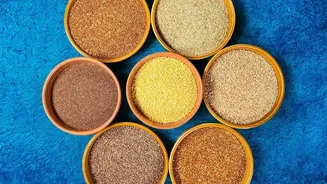
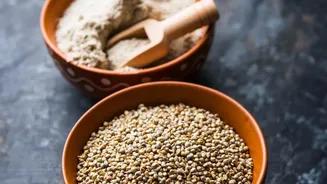
For generations, millets like ragi (finger millet) and jowar (sorghum) have been staples in Indian kitchens before falling out of favour. Now, these ancient grains are making a comeback as nutritional powerhouses, often called 'superfoods'. They are naturally
gluten-free, making them gentle on the digestive system. Rich in dietary fibre, they promote a feeling of fullness, which can help with weight management by preventing overeating. This high fibre content also aids digestion and helps maintain stable blood sugar levels, making them a smart choice for everyone, including those managing diabetes.
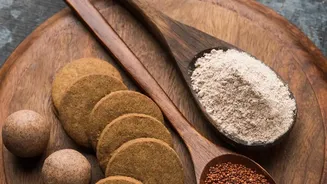
The Goodness of Ragi (Finger Millet)
Ragi is particularly celebrated for its incredible nutrient profile. It is one of the best plant-based sources of calcium, crucial for maintaining strong bones and teeth and helping to ward off conditions like osteoporosis. The grain is also a great source of iron, which is vital for combating anaemia and boosting energy levels. Ragi is packed with antioxidants that help protect the body's cells from damage and support a strong immune system. Its amino acids contribute to healthy skin and hair, making it a true all-rounder for wellness.
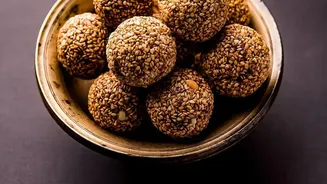
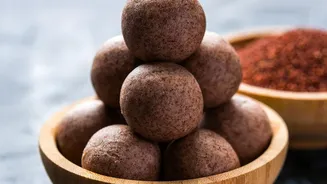
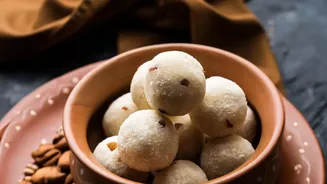
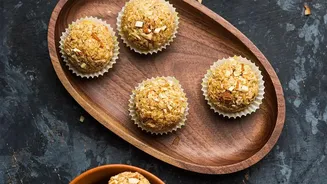
Recipe: Wholesome Ragi Laddoos
These laddoos are a perfect, guilt-free festive treat, naturally sweetened and packed with nutrients. To make them, you will need one cup of ragi flour, three-quarters of a cup of powdered jaggery, half a cup of mixed nuts (like almonds and walnuts), a quarter cup of desiccated coconut, a quarter teaspoon of cardamom powder, and four tablespoons of ghee. Start by dry roasting the ragi flour in a heavy-bottomed pan on low heat for 8-10 minutes until it becomes aromatic. Set it aside to cool. In the same pan, lightly toast the nuts and coconut. Once cooled, grind the toasted nuts into a coarse powder. In a large bowl, combine the cooled ragi flour, powdered jaggery, nut powder, coconut, and cardamom powder. Melt the ghee and pour it over the mixture, combining everything well. While the mixture is still warm, take small portions and roll them firmly between your palms to form laddoos. Store them in an airtight container.
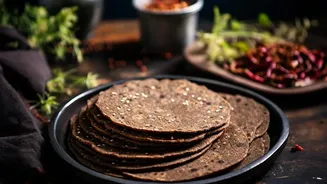
The Power of Jowar (Sorghum)
Jowar, or sorghum, is another impressive millet that brings a wealth of health benefits to the table. It is renowned for being rich in fibre, which not only aids digestion but also helps in managing weight. Jowar is a good source of protein, essential for building and repairing tissues. It is also packed with important minerals like magnesium, which helps the body absorb calcium, thereby promoting bone health. Furthermore, jowar contains iron and copper, which work together to improve blood circulation. Its antioxidant properties also contribute to heart health by helping to lower bad cholesterol levels.
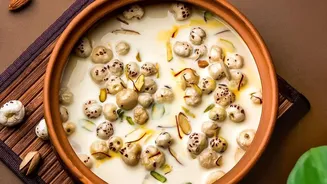
Recipe: Creamy & Healthy Jowar Kheer
This creamy kheer is a comforting dessert that offers a modern, healthy take on a traditional favourite. For this recipe, you will need half a cup of jowar (soaked for at least 6-8 hours), one litre of milk (or almond milk for a dairy-free option), half a cup of jaggery or date syrup, half a teaspoon of cardamom powder, and a handful of chopped nuts for garnish. First, pressure cook the soaked and drained jowar with one cup of water for about 4-5 whistles until it is soft. In a separate thick-bottomed pan, bring the milk to a boil. Add the cooked jowar to the milk and let it simmer on low heat for 15-20 minutes, stirring occasionally, until the kheer thickens. Turn off the heat and stir in the jaggery or date syrup until it dissolves completely. Add the cardamom powder and mix well. Garnish with chopped almonds and pistachios before serving warm or chilled.