




What Exactly Is Hitting the Moon?
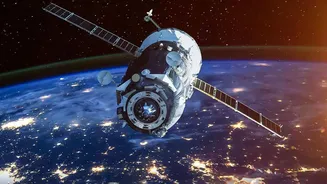
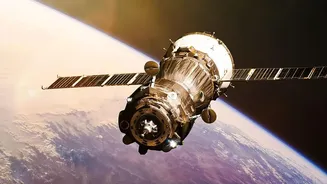
On August 5, 2026, a leftover piece of a SpaceX Falcon 9 rocket is set to slam into the lunar surface. This isn't a targeted mission, but rather the final, wayward chapter for a rocket component that has been in a chaotic orbit for over 19 months. The
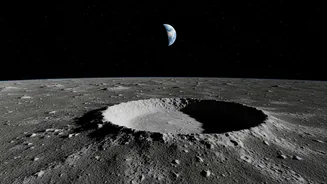
upper stage originally helped send two lunar landers, Firefly Aerospace's Blue Ghost 1 and Japan's ispace Hakuto-R, toward the Moon back in January 2025. While it was meant to be disposed of differently, a combination of solar activity and gravitational forces put it on an unalterable path to the Moon. Independent astronomers first flagged the trajectory, and NASA later confirmed a 100% chance of impact. The object, weighing around 4 tonnes and measuring about 45 feet long, will crash near the Einstein and Bell craters at a blistering speed of roughly 5,400 mph.
A Laboratory in the Sky
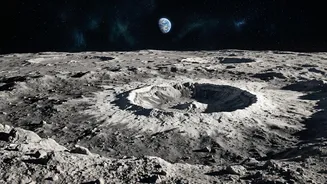
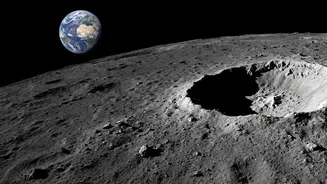
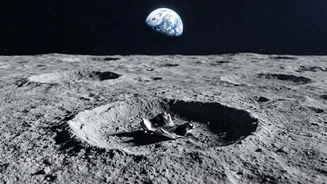
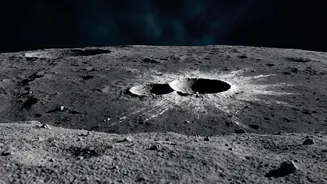
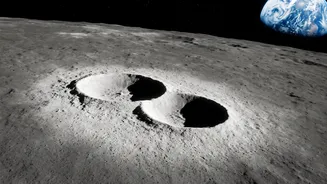
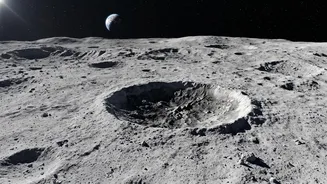
While an unplanned impact from space junk might sound alarming, the scientific community is buzzing with anticipation. The Moon has no atmosphere to burn up incoming objects, making it a pristine recorder of the solar system's impact history. Unlike Earth, where wind, water, and plate tectonics erase ancient craters, the Moon’s surface is a library of cosmic collisions stretching back billions of years. Studying these impacts helps scientists understand not only the Moon's formation but also what conditions were like in the early solar system. An artificial impact like this one is a unique experiment. Scientists know the object's mass, speed, and composition, allowing them to test and refine their models of crater formation and the behaviour of ejected material, or 'ejecta'. This knowledge is invaluable for future missions, both robotic and human.
The Watchers Are Ready
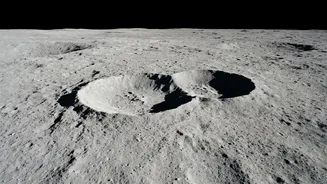
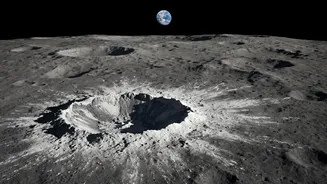
Although the impact itself won't be visible to the naked eye, a suite of powerful instruments will be watching closely. NASA’s Lunar Reconnaissance Orbiter (LRO), which has been mapping the Moon in incredible detail since 2009, is perfectly positioned to play a key role. Mission scientists plan to image the impact site before and after the collision to analyse the new crater, which is expected to be about 60 feet wide and 12 feet deep. It may take several days or weeks to get the images, depending on the orbiter's position and lighting conditions. Additionally, South Korea's Pathfinder Lunar Orbiter and its high-sensitivity ShadowCam instrument will also look for opportunities to observe the site. On Earth, astronomers will use powerful ground-based telescopes, hoping to catch a glimpse of the ejecta plume—the cloud of dust and rock kicked up by the impact—as it rises above the lunar surface against the dark backdrop of space.
Unlocking Lunar Secrets
This collision is more than just a spectacular crash; it's a chance to dig for knowledge. As the rocket stage vaporises, it will excavate lunar soil, or regolith, from beneath the surface. By analysing the plume of debris, scientists hope to learn about the geology of this specific lunar region. A key target of interest is water ice. While this impact is not in a permanently shadowed polar crater where ice is thought to be abundant, observing any water signatures in the ejecta could provide crucial data about how water is distributed across the Moon. Deliberate impacts, like NASA's LCROSS mission in 2009, have confirmed water in polar craters, but every new impact offers another piece of the puzzle. The data gathered will help scientists understand the composition of the lunar subsurface and the physics of how material is thrown across the Moon, which has implications for everything from planetary defence to the safety of future lunar astronauts.