


A Concoction of the Land
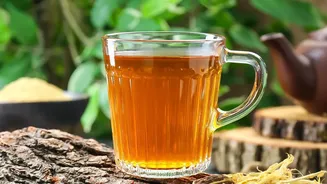
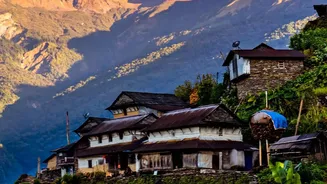
At its heart, a Sikkimese decoction is a potent brew made from a variety of wild, foraged plants and herbs. This is not just a simple tea; it is a complex extraction of the region's rich biodiversity. The indigenous Lepcha and Bhutia communities, who
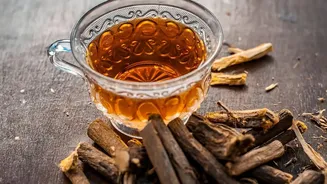
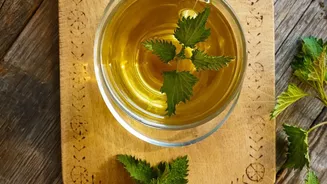
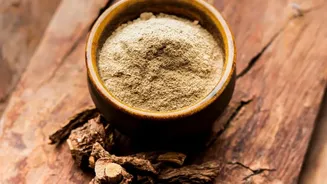
have lived in these mountains for centuries, possess a vast and intricate knowledge of the local flora. This ethnobotanical wisdom, passed down through generations, dictates which leaves, roots, barks, and flowers are to be used. Common ingredients include plants known for their medicinal properties, such as Chirata for fever, Kutki for liver ailments, and varieties of Rhododendron and wild ferns. These plants are carefully selected not just for their healing benefits but for the unique flavour profiles they impart, creating beverages that are deeply tied to the landscape itself.
The Soul of Smoke
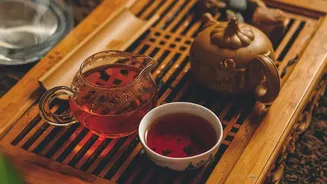
What truly sets these decoctions apart is the element of smoke. This is not a casual addition but a deliberate and vital step in the preparation process. In many traditional practices, the act of smoking ingredients or the final brew is a method of both preservation and flavour enhancement. The rising smoke from burning specific woods, like juniper or cedar, is also considered a sacred act in Himalayan cultures, used to cleanse spaces and make offerings. When applied to herbal drinks, this process imparts a complex, earthy, and aromatic character that cannot be replicated by other means. The smoke interacts with the compounds in the herbs, mellowing some of the bitterness and adding a layer of umami depth. This ancient technique transforms a simple herbal drink into a sophisticated gastronomic experience, a liquid embodiment of a hearth fire in the high mountains.
More Than a Beverage, a Ritual
These herbal drinks are rarely consumed merely for thirst. They are deeply integrated into the socio-cultural fabric of Sikkimese life. For instance, the famous millet-based beverage 'Chi' or 'Chhang' is central to Lepcha rituals, offered to deities and consumed during ceremonies from birth to death. While often fermented and alcoholic, the foundation of many such traditional drinks lies in the careful selection of local grains and herbs. The act of preparing and sharing these decoctions strengthens community bonds. They are offered as welcome drinks to guests, used by folk healers like 'Jhankris' in their rituals, and consumed to restore strength and wellness. Each sip is a taste of history, a connection to ancestral knowledge, and a celebration of communal identity.
An Enduring Legacy in a Modern World
In an era of globalization, where culinary trends come and go, these smoked herbal decoctions stand as a testament to resilience and sustainability. They represent a food system that is hyper-local, relying on foraged ingredients and knowledge rooted in the immediate environment. However, this heritage is not without its challenges. The shift towards modern lifestyles and medicine has put this traditional knowledge at risk, with fewer young people learning the old ways. Recognizing their value is the first step towards preservation. These decoctions are not just relics of the past; they are living traditions that offer profound lessons in how to live in harmony with nature. They are outstanding cultural treasures because they encapsulate the spirit of Sikkim—its biodiversity, its people's ingenuity, and its deep, abiding connection to the land.