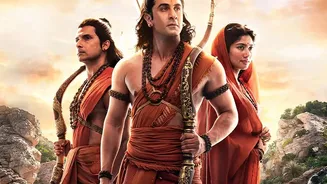








The colossal box office success of Nitesh Tiwari’s 'Ramayana' is more than just a blockbuster story; it's a cinematic landmark. The film's triumph signals the power of a new formula: cross-regional storytelling that unites audiences nationwide.
The Pan-Indian Phenomenon
For years,
Indian cinema has operated in powerful, distinct silos: Bollywood for the Hindi-speaking belt, Kollywood for Tamil audiences, Tollywood for Telugu viewers, and so on. A 'pan-Indian' film was often just a dubbed version of a regional hit. However, a new wave of filmmaking, now perfected by 'Ramayana', is changing that. This new model involves intentionally crafting a story with universal themes, mounting it on a grand scale, and strategically involving talent from multiple industries to create a film that feels native to everyone, everywhere. The recent successes of films like 'Baahubali', 'KGF', and 'RRR' laid the groundwork, proving that stories rooted in Indian culture but presented with universally appealing heroism and high production values could shatter box office barriers. 'Ramayana' has taken this blueprint to another level, demonstrating that a well-known epic, when told with conviction and a unifying vision, can generate unprecedented national appeal.
A Cast That Crosses Borders
A key element of 'Ramayana’s' cross-regional strategy was its masterful casting. The film brings together Ranbir Kapoor, a top-tier Bollywood star, as Lord Rama, and Yash, the Kannada superstar from the 'KGF' franchise, in the pivotal role of Ravana. This pairing alone sent a powerful message of unity. It wasn’t just a cameo; it was a collaboration of equals, drawing in loyal fanbases from both Hindi and Kannada markets from the outset. The inclusion of the widely acclaimed actress Sai Pallavi, who has a strong following in Tamil and Telugu cinema, as Sita further broadened the film's appeal. This ensemble wasn't just about star power; it was a deliberate creative choice to make the film feel like a collective Indian project, rather than one region's take on the epic. By featuring beloved actors from different parts of the country in central roles, the film ensured that audiences in every major market had a hero to root for, transforming regional pride into a shared cinematic celebration.
Decoding the Box Office Dominance
The box office numbers for 'Ramayana' tell a compelling story of its nationwide success. The film has reportedly grossed over ₹1,700 crore worldwide, making it one of the highest-grossing Indian films of all time. Crucially, its earnings are not just dominated by the Hindi version. The dubbed versions in Kannada, Telugu, Tamil, and Malayalam have all posted significant collections, showing the film's consistent performance across the board. The Kannada version, boosted by Yash's presence, and the Malayalam version have performed particularly well. This widespread success proves that the film resonated deeply beyond its primary Hindi market. On its opening week, the film saw massive collections from all five language versions, indicating that the cross-regional marketing and casting paid immediate dividends. The film’s ability to sustain this momentum across diverse linguistic regions for weeks is a testament to the power of a narrative that truly transcends cultural and regional specificities.
A Universal Theme, Reimagined
At the heart of the film's success is, of course, the Ramayana itself—an epic with deep cultural roots across the entire subcontinent. Director Nitesh Tiwari and his team focused on themes of heroism, sacrifice, and righteousness that resonate universally, while avoiding overly regionalised cultural interpretations. The film's visual grandeur, reportedly bolstered by the largest budget in Indian film history and a score from international composer Hans Zimmer alongside A.R. Rahman, created a spectacular experience that felt both intrinsically Indian and globally competitive. The production was designed to be a cinematic event, with a strong push for premium formats like IMAX 3D, which saw phenomenal advance bookings and contributed significantly to its opening figures. By treating a foundational Indian story with cutting-edge technology and a narrative sensibility aimed at a modern, unified audience, the filmmakers ensured the story’s timeless appeal was matched by a contemporary and unmissable presentation.