






What 'Clean Eating' Means in India
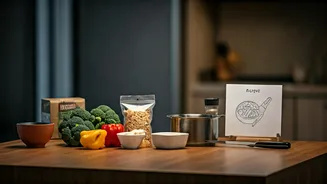
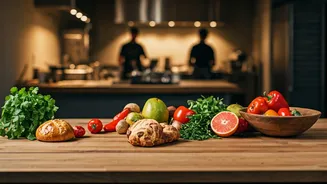
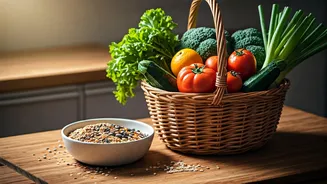
Forget the restrictive, often confusing rules that dominate Western wellness conversations. In India, 'clean eating' is less a diet and more a return to roots. It’s a philosophy centred on consuming food in its most natural state: fresh, seasonal, local,
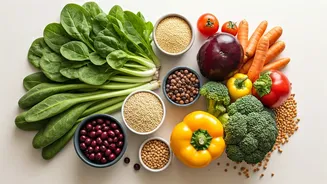
and minimally processed. It’s about understanding where your food comes from and honouring traditional ingredients. This means swapping refined white rice for nutrient-dense brown or red varieties, replacing processed sugar with jaggery or dates, and choosing cold-pressed oils over refined ones. The movement champions the wisdom already present in our grandmothers' kitchens — eating what the land provides, according to the season, and understanding the nutritional power of our native spices and herbs.
The Drivers of a Health Revolution
Several factors are fuelling this change. A key driver is the growing awareness of lifestyle diseases like diabetes and hypertension, which are increasingly prevalent in urban India. The COVID-19 pandemic acted as a powerful catalyst, forcing a collective focus on immunity and overall health. Suddenly, concepts like 'building immunity' moved from Ayurvedic texts to everyday conversations. This health consciousness is particularly strong among urban millennials and Gen Z, who have higher disposable incomes and are exposed to global wellness trends through social media. They are not just passive consumers; they are actively seeking information, reading labels, and demanding transparency from food brands.
The Great Indian Millet Makeover
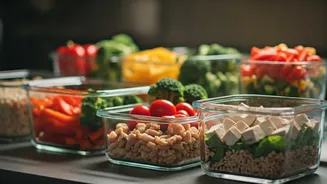
Nowhere is the clean eating trend more visible than in the spectacular comeback of millets. Once dismissed as 'coarse grains' or food for the rural poor, ancient staples like ragi (finger millet), jowar (sorghum), and bajra (pearl millet) are now celebrated as superfoods. Rich in fibre, protein, and micronutrients, and naturally gluten-free, these grains are perfectly suited to modern dietary needs. The Indian government has also thrown its weight behind this revival, with initiatives like the International Year of Millets (2023) promoting their cultivation and consumption. From ragi dosas and jowar rotis to millet-based pasta and breakfast cereals, these humble grains are being creatively integrated into the modern Indian diet, proving that healthy eating can also be delicious and diverse.
A New Food Economy Emerges
This shift in consumer behaviour has ignited a new food economy. The organic food market in India is booming, with startups and established players offering everything from organic vegetables to certified spices and grains. Supermarket aisles now feature dedicated sections for health foods, and a host of direct-to-consumer brands deliver fresh produce, artisanal bread, and healthy snacks to your doorstep. The hospitality sector has taken note, too. Major cities are seeing a proliferation of health cafes, farm-to-table restaurants, and juice bars that cater to the conscious consumer. This ecosystem not only makes clean eating more accessible but also creates a virtuous cycle, encouraging more farmers to adopt sustainable and organic practices.
Beyond the Urban Bubble
While the 'clean eating' label is most prominent in metropolitan areas, its core principles are deeply embedded in India’s agrarian culture. For generations, people in towns and villages have eaten locally and seasonally by default. The difference is that it is now becoming a conscious, deliberate choice for a wider population. The trend is bridging the old and the new — pairing the timeless wisdom of traditional Indian diets with the modern understanding of nutrition. It’s a movement that respects our agricultural heritage while adapting to the needs and challenges of 21st-century life, slowly but surely redefining the nation's relationship with food.