




The Current State of Confusion
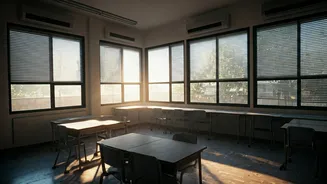
Recent weeks have been a whirlwind for parents across Uttar Pradesh. The government initially extended summer vacations for many schools until June 24 due to a severe heatwave, with classes set to resume on June 25. This decision, aimed at protecting
children from extreme temperatures, brought uniformity to the academic calendar, avoiding the need for repeated district-level extensions. However, such directives often lead to a flurry of messages, not all of which are accurate. This cycle of official orders followed by unofficial rumors is a recurring issue, whether it's due to heat, cold waves, or heavy rainfall, leaving parents uncertain about whether to send their children to school.
Recent Safety Concerns Magnify the Issue
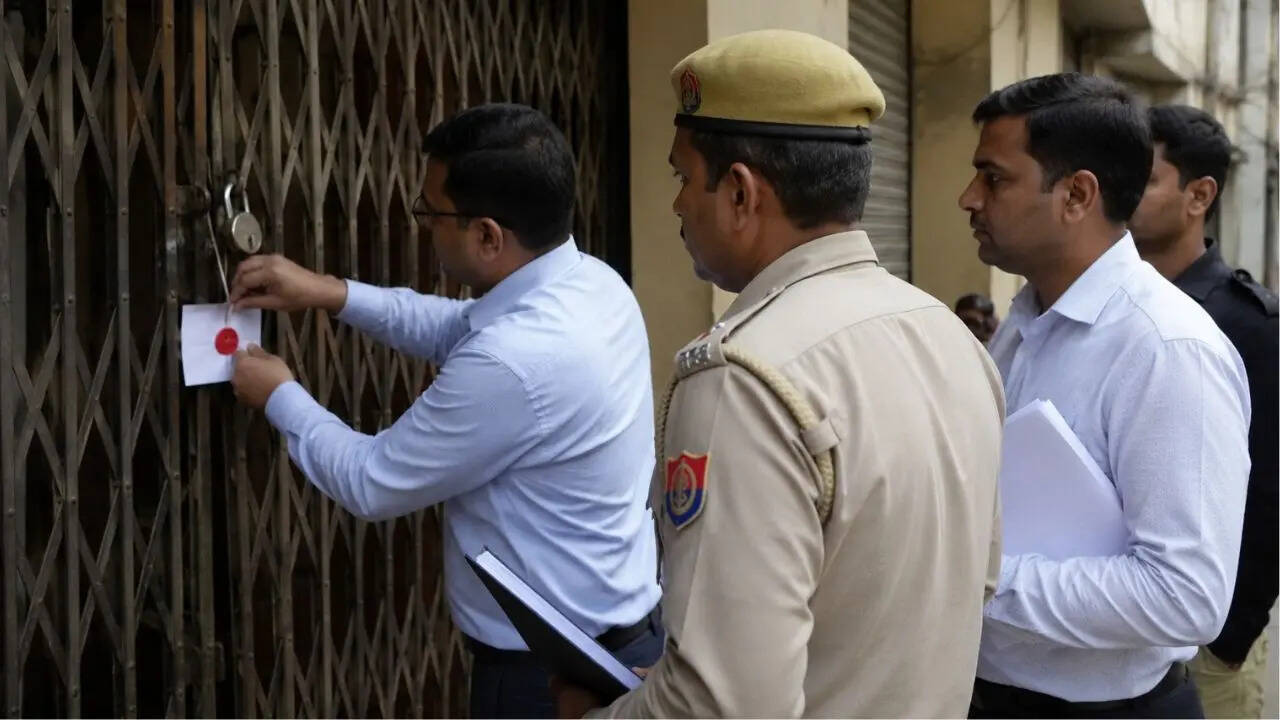
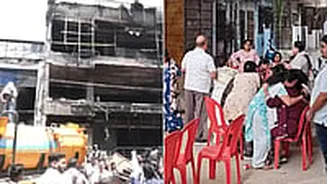
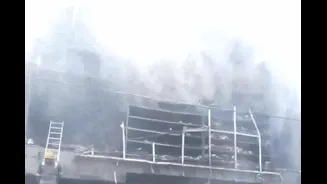
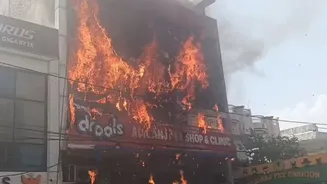
The need for clear, verified information has been tragically underscored by a recent fire at a Lucknow coaching centre that claimed 15 lives. In response, authorities have launched a crackdown on unregistered and unsafe educational institutions, including coaching centres and play schools. This has renewed scrutiny on fire safety, emergency exits, and overall compliance with regulations. For parents, this adds another layer of concern, highlighting that official oversight extends beyond just holidays and timings to the very safety of the buildings their children occupy. Relying on hearsay in such a climate can have significant consequences.
The Dangers of Fake News and Unverified Circulars
The primary channel for school-related misinformation is social media and messaging apps like WhatsApp. Fake circulars, often designed to look like official documents, can spread rapidly. These may contain errors in spelling, use unofficial logos, or create a false sense of urgency. The consequences of acting on such information range from the inconvenience of sending a child to a closed school during extreme weather to the risk of keeping them home during an important school day. This problem is not new; authorities have previously had to deal with schools operating with fake affiliation documents and running unauthorised classes, underlining the long-standing issue of educational fraud in the region.
Your Checklist for Verifying School Information
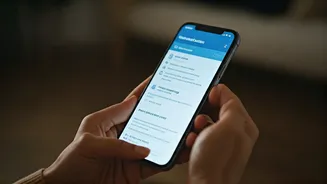
To cut through the noise, parents should rely exclusively on primary, official sources. Before acting on any forwarded message, cross-check the information using this checklist: 1. **Direct School Communication:** This is the most reliable source. Check the school's official parent portal, mobile app, or look for an SMS or email from the school's registered number or address. 2. **Official School Website:** Most established schools have a 'Notices' or 'Announcements' section on their website. This should be a primary destination for verification. 3. **District Magistrate (DM) Lucknow's Official Channels:** For city-wide closures affecting all boards, the order comes from the DM. Check the official Lucknow district website (lucknow.nic.in) or the DM's official social media accounts. The website hosts official documents and notifications. 4. **Reputable News Media:** Major news outlets will report on official directives from the government or district administration regarding widespread school closures or timing changes.
What if an Order Seems Conflicting?
Sometimes, government orders can seem complex. For example, an order might state that schools are closed for students but that teachers and staff must report for administrative duties. An order from the state's Basic Education Council might apply to government schools but not to private schools under CBSE or ICSE boards, which may issue their own directives. In these cases of ambiguity, the most direct solution is always to contact the child's specific school for clarification. A quick phone call to the school's administrative office during working hours can provide a definitive answer and prevent unnecessary confusion and stress.