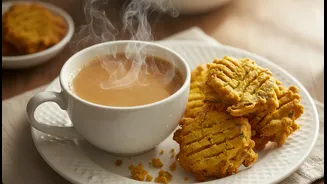




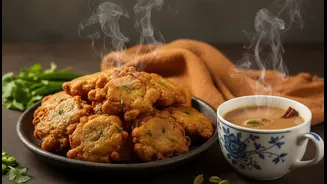
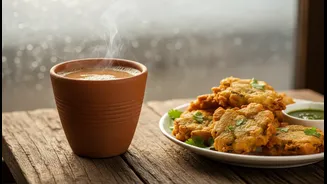
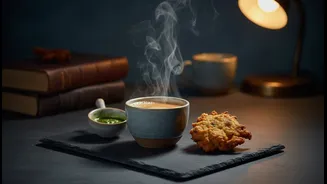


The Monsoon's Unofficial Cuisine
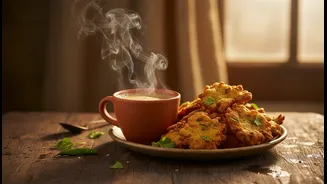
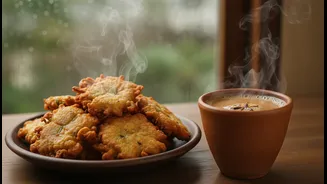
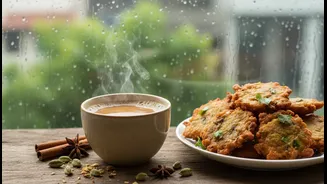
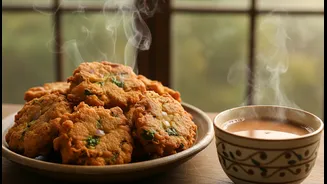
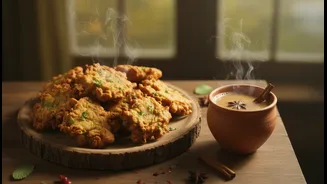
The connection between rain and this specific food pairing is so deeply ingrained it feels like an unwritten rule. As the temperature drops, our brains naturally gravitate toward warm, comforting foods. The hot, spiced tea warms you from the inside, a perfect
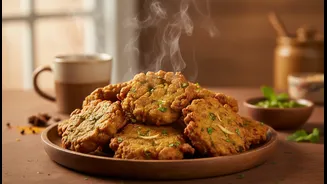
contrast to the cool, damp weather. The freshly fried pakoras offer a satisfying, high-calorie boost that our bodies instinctively seek in colder conditions. This combination is more than a snack; it has become the unofficial cuisine of the Indian monsoon, a ritual that plays out in homes, office canteens, and roadside stalls from the moment the clouds gather. The entire experience is kicked off by petrichor, the beloved earthy smell of rain on dry soil, which is known to create a sense of calm and nostalgia, making foods associated with comfort even more appealing.
A Symphony of Sensation
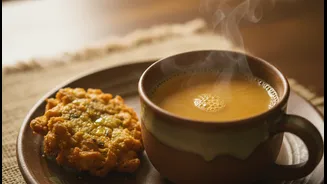
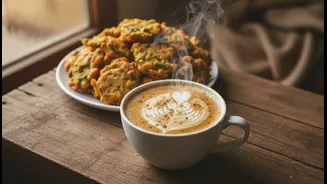
A huge part of the appeal lies in the multi-sensory experience. Food psychologists note that texture is as crucial to enjoyment as flavour. The appeal of the pakora is its delightful contrast: a crunchy, deep-fried exterior giving way to a soft, savoury interior. This satisfying crackle stimulates multiple senses at once. When paired with chai, the experience becomes a symphony of textures and temperatures. The smooth, hot liquid of the tea washes down the rich, crispy fritter, with the spices in the chai, like ginger and cardamom, complementing the savoury notes of the pakora. It’s a combination that creates a complete and deeply rewarding sensory package, where the sound, smell, and feel are just as important as the taste itself.
The Taste of Shared Memory
For many, the craving for chai and pakoras is a craving for nostalgia. Food is a powerful vessel for memory, and this pairing is intrinsically linked to formative experiences. The aroma can transport you back to childhood, watching your grandmother in the kitchen, or to college days spent with friends at a canteen, sharing stories as the rain poured down. Psychologists call this associative learning; when two things are experienced together repeatedly—like rain and comforting food—the brain forges a strong link. Years later, one becomes a trigger for the other, which is why the mere sound of rain can spark a desire for chai long before you consciously decide you want it. This isn't about physical hunger so much as an emotional one, a desire to reconnect with moments of warmth, safety, and happiness.
A Ritual of Connection
Beyond the sensory and psychological pull, chai and pakoras are central to a cherished social ritual. The phrase, "Should we make some chai?" is an invitation to pause, connect, and share a moment. In Indian culture, chai is a symbol of hospitality and community. It’s the drink offered to any guest, the reason for an office break, and the centrepiece of the daily 'shaam ki chai' (evening tea) that brings families together. Adding pakoras to the mix elevates this daily routine into a small celebration, a way to mark the special occasion of a rainy day. This shared act of preparing and eating together transforms an ordinary afternoon into a memorable event, strengthening bonds between family and friends.
A Modern Culinary Tradition
While the components are ancient—fritters have roots in Sanskrit texts and spices were used in Ayurvedic drinks for millennia—the specific pairing of masala chai and pakoras is a more modern tradition. Tea itself was popularised across India in the late 19th and early 20th centuries by the British. Indians adapted the British way of drinking tea with milk and sugar, creating the spiced, boiled masala chai we know today. The ritual of pairing it with pakoras during the monsoon seems to have gained cult status in the mid-20th century, cemented by street food culture, railway station vendors, and its romanticisation in Bollywood. It evolved from a simple snack into a powerful symbol of comfort, home, and shared Indian identity.