








The Concrete Desert Dilemma
As Indian cities like Bengaluru, Mumbai, and Delhi continue their rapid vertical and horizontal expansion, green spaces are often the first casualty. Parks and gardens become isolated green ‘islands’ in a vast sea of concrete and asphalt. For the tiny,
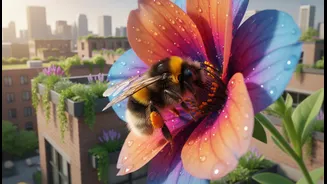
tireless pollinators that are crucial for our ecosystems—including hundreds of species of native bees, butterflies, moths, and birds—this fragmentation is a critical threat. Imagine needing to cross a massive, foodless expanse to get from one meal to the next. This is the daily reality for a bee in a city where flower patches are few and far between. A single park, no matter how lush, can be a prison if pollinators cannot safely travel to and from it.
Why Connectivity Is Everything
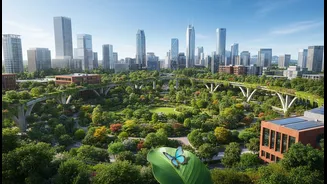
The solution isn’t just about creating more green spaces, but about connecting them. Think of it as building a highway for insects. Scientists call this concept 'pollinator corridors' or 'habitat connectivity'. These corridors are a series of smaller green areas—like stepping stones across a river—that allow pollinators to move, feed, and find shelter as they travel through hostile environments. A lone balcony garden is a helpful café for a weary butterfly, but a neighbourhood of pollinator-friendly balconies creates a connected route, making it easier for them to survive and thrive. This network of mini-habitats breaks up the concrete desert, ensuring that pollinators aren't confined to one location.
Your Balcony, Their Oasis
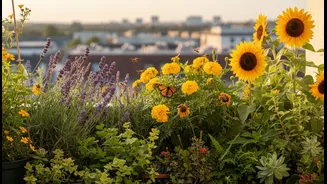
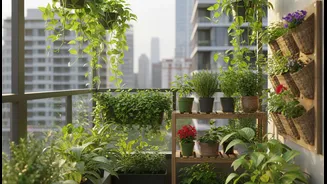
You don't need a sprawling garden to make a significant impact. Even a few pots on a balcony can become a vital refuelling station. The key is choosing the right plants. Native species are best, as they have co-evolved with local pollinators. In India, this includes plants that are beautiful, often useful, and beloved by pollinators. Flowering tulsi, for instance, is a magnet for bees and butterflies. Brightly coloured marigolds, hibiscus, and butterfly pea flowers are also excellent choices that are hardy in Indian climates. Herbs like mint and coriander, if allowed to flower, provide crucial nectar. To create a truly effective oasis, aim for variety in colour and shape, and try to have plants that bloom at different times of the year, ensuring a continuous food supply.
Simple Steps for a Pollinator Paradise
Creating a welcoming space goes beyond just flowers. Pollinators also need water and shelter. A shallow dish of water with pebbles or twigs for them to land on can be a lifesaver, especially during hot summers. It’s also crucial to avoid chemical pesticides, which can be lethal to bees and butterflies. Many experienced gardeners rely on natural methods like using homemade compost and removing pests by hand. You can also provide shelter by grouping pots together to block wind or by adding a ready-made 'bee hotel' for solitary bees to nest in. These small additions turn a simple flower garden into a complete, safe habitat.
Thinking Beyond the Balcony
While individual actions are powerful, the true strength of pollinator corridors lies in collective effort. This is about scaling up the 'stepping stone' concept from balconies to entire neighbourhoods and cities. Community gardens, rooftop gardens, and even flowering plants along road medians can all become part of this vital network. Residents can advocate for pollinator-friendly planting in their society gardens and local parks, urging management to choose native flowering species and reduce pesticide use. Some cities are already exploring how transport corridors, like land along railway lines and canals, can be managed to support biodiversity. By working together, we can weave a living web of green pathways through our urban landscapes.