







The Old Rainy Day Playbook
Not long ago, a forecast of rain was a travel deal-breaker. Guidebooks and travel articles framed rainy days as a problem to be solved, offering lists of indoor museums, shopping malls, or cinemas to salvage a washed-out trip. The underlying message was clear:
the real vacation was happening outside, and rain was the obstacle. This mindset often relegated entire seasons, like the Indian monsoon, to the “off-season”—a time of discounted rates and shuttered businesses, best avoided by serious travelers. The goal of travel content was to help you wait out the rain, not to embrace it.
A Monsoon Makeover
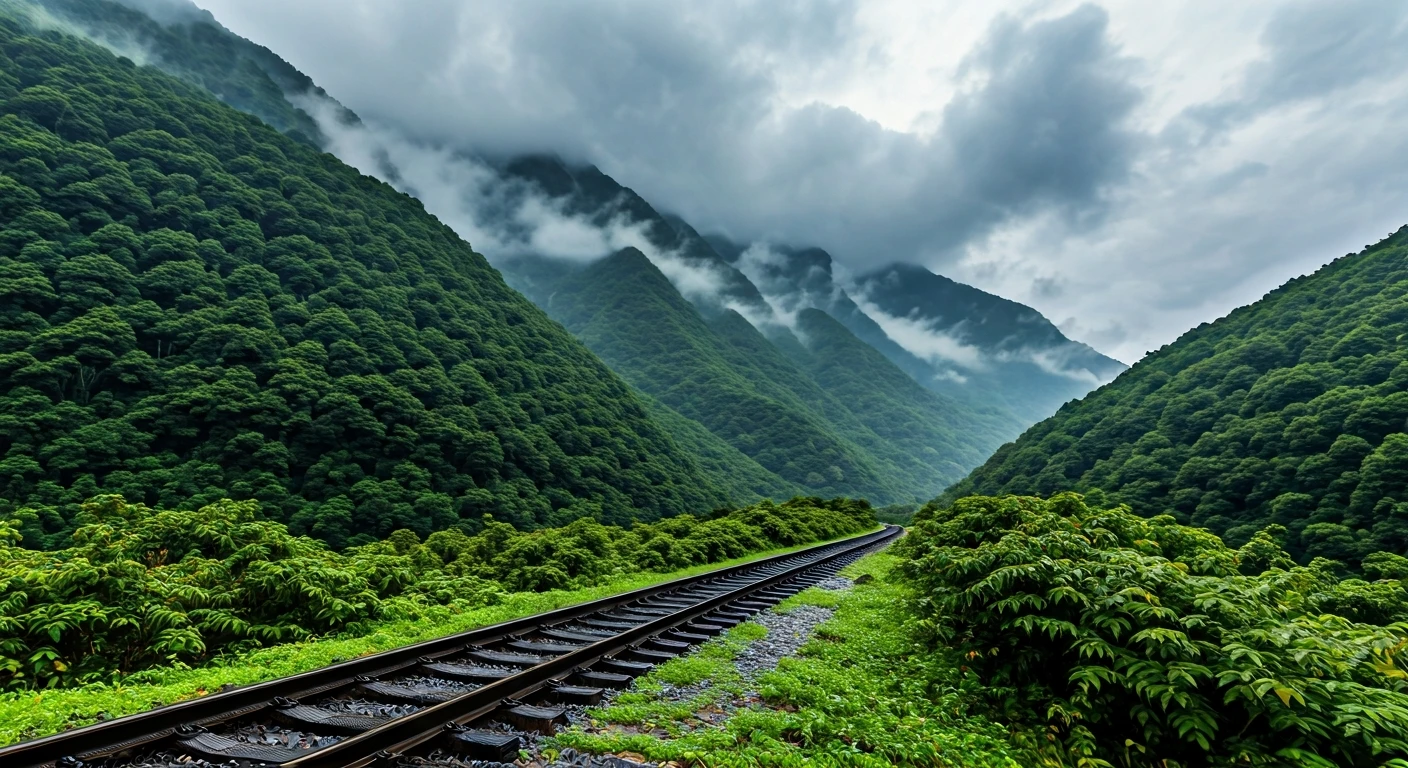
That narrative is changing dramatically. A growing number of travelers are now actively seeking out destinations during the rainy season, driven by a desire for a different kind of experience. The benefits are compelling: fewer crowds, lower prices on flights and hotels, and a chance to see a place in its most authentic, tranquil state. Small cities, in particular, have seized this opportunity. Instead of competing with sun-drenched beach resorts, they are marketing their unique monsoon charm—mist-covered hills, the scent of wet earth, and a quiet, cozy atmosphere that appeals to travelers tired of peak-season chaos. It’s a savvy move that transforms a perceived liability into a powerful asset.
The Capitals of Cozy
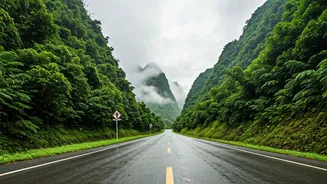
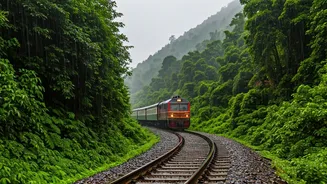
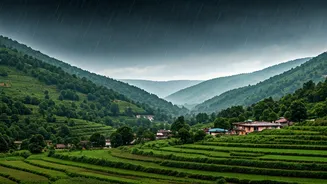
Nowhere is this trend more evident than in India’s beloved hill stations. Destinations like Munnar in Kerala and Coorg in Karnataka have built their reputations on monsoon magic. Here, the rain isn’t a bug; it’s the main feature. The showers transform the landscape into a vibrant, emerald paradise. Tea plantations in Munnar glisten with a deep, saturated green that summer visitors never see, and waterfalls like Attukal roar back to life. In Coorg, known as the 'Scotland of India', coffee estates become dense, fragrant havens, with the air carrying the rich aroma of wet soil and fresh blossoms. Resorts now offer specific “monsoon packages,” curating experiences around the weather, from guided treks to viewpoints shrouded in mist to enjoying a hot cup of local coffee while watching the clouds roll by.
The Coastal Rebrand
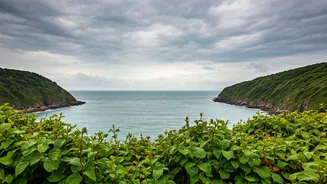
Even classic sunshine destinations are getting a rainy-day rewrite. Goa, long considered a winter-sun hotspot, has successfully rebranded its monsoon season. What was once a quiet off-season is now a sought-after experience for those looking for a different side of the coastal state. The focus shifts from the now-rough seas to the lush, verdant hinterlands. Travelers can explore spice plantations, visit majestic waterfalls like Dudhsagar, and enjoy the calm of near-empty beaches. Restaurants and cafes that once closed for the season now remain open, offering a cozy refuge to enjoy authentic Goan curries while the rain pours down outside. It’s a more peaceful, introspective Goa, and one that is attracting a loyal following.
How to Embrace Rainy Travel
Enjoying a monsoon trip is all about adopting the right mindset and packing strategically. Instead of fighting the weather, plan your days around it. Mornings are often clearer in hill stations, making them ideal for outdoor activities like visiting waterfalls or viewpoints. Keep afternoons for slower pursuits: reading a book on a covered veranda, trying a local cooking class, or indulging in an Ayurvedic spa session. Pack waterproof jackets and sturdy, non-slip footwear. But most importantly, be open to the unique beauty the rain reveals. From the heightened aroma of spices in a plantation to the dramatic sight of clouds wrapping around a mountain peak, the monsoon offers a sensory experience that sunny days simply can't match.