




The Illusion of Plenty
After a healthy monsoon, the urgency to save water can fade. Taps might run a little longer and leaks might seem less critical. However, this mindset is a trap. India is home to 18% of the world's population but has access to only 4% of its freshwater
resources. Much of the rainfall we receive is lost to runoff, especially in urban areas, and does not replenish the groundwater that many cities depend on. Periods of heavy rain do not guarantee a stable water supply; in fact, they can sometimes threaten it by causing muddy runoff that complicates treatment. Adopting water-saving habits year-round is not just for drought-proofing; it is about creating a sustainable culture of responsible water use that protects our future.
Reuse RO 'Waste' Water
Reverse Osmosis (RO) purifiers are common in Indian homes, but they are notoriously inefficient. For every litre of purified water, an RO system can discard two to three litres as 'reject' water. Instead of letting this stream down the drain, collect it. This water, while high in total dissolved solids (TDS), is perfectly suitable for a variety of household chores. Use it for mopping floors, washing balconies, cleaning bathrooms, or flushing toilets. It can also be used to water ornamental, non-edible plants. An average family can easily save thousands of litres a month simply by repurposing this valuable resource.
Mind the Tap
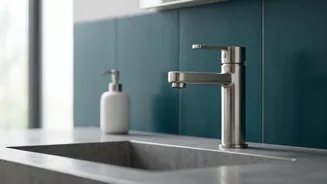
It’s a simple habit, but its impact is enormous. Turning off the tap while brushing your teeth, shaving, or lathering soap can save a significant amount of water. A running tap can waste over six litres of water per minute. For a family of four, simply turning off the tap while brushing can save nearly 100 litres of water every single day. Similarly, when washing vegetables or dishes, avoid letting the water run continuously. Wash produce in a pan of water and soak utensils before scrubbing to reduce the need for constant rinsing under a running tap. These small behavioural changes have a massive cumulative effect.
Fix Leaks Immediately
That slow drip from a kitchen faucet or a constantly running toilet is more than just an annoyance; it's a major source of water waste. A single dripping tap can waste thousands of litres of water per year. Many leaks go unnoticed, silently adding to your water consumption. Make it a habit to regularly check all taps, pipes under sinks, and toilet flush systems for leaks. A simple way to check your toilet for a silent leak is to add a few drops of food colouring to the tank; if the colour appears in the bowl without flushing, you have a leak that needs fixing.
Upgrade to Water-Efficient Fixtures
Modern technology offers simple ways to cut down on water usage without sacrificing performance. Installing low-flow aerators on taps can reduce water flow by up to 50% while maintaining pressure. Similarly, water-efficient showerheads can save hundreds of gallons per month. If you're considering a bathroom renovation, opt for a dual-flush toilet, which uses significantly less water for liquid waste. These upgrades often have a quick return on investment, not just in water savings but also on your utility bills.
Plan for Rainwater Harvesting Now
The post-monsoon period is the perfect time to plan a rainwater harvesting (RWH) system for the next rainy season. With up to 80% of urban rainwater lost to drains, capturing this resource is critical. Systems can range from simple rain barrels connected to a downpipe to more complex setups that filter water for storage tanks or direct it into recharge pits to replenish groundwater. In many Indian cities, RWH is now a legal requirement for new constructions. A well-designed system on a typical urban plot can capture over 100,000 litres of water, enough to supply a family for several months.