





More Than Just Nostalgia
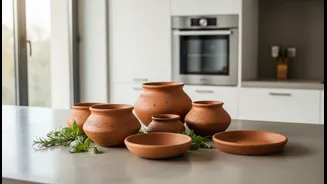
The return of clay cookware is not simply about romanticising the past. It’s a conscious choice for a growing number of people who are prioritising health, flavour, and environmental responsibility. Unlike modern non-stick pans which can release chemicals
and have a shorter lifespan, unglazed clay pots offer a non-toxic and durable alternative. This revival is driven by a deeper understanding of how our cooking methods impact both our bodies and the planet. Consumers are increasingly seeking products that are natural, long-lasting, and free from synthetic materials, a description that perfectly fits traditional earthenware.
The Science of Slow Cooking
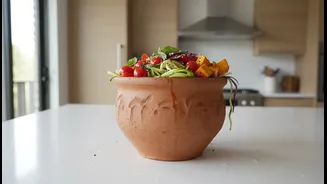
Cooking in clay pots offers distinct advantages that science and tradition both support. The porous nature of clay allows heat and moisture to circulate slowly and evenly throughout the pot. This gentle cooking process is crucial for preserving the delicate nutrients in food that can be destroyed by the harsh, direct heat of metal pans. Furthermore, clay is naturally alkaline, which helps to neutralise the pH balance of acidic ingredients like tomatoes, making food easier to digest and imparting a subtly sweet, earthy flavour. This method also requires significantly less oil, as the trapped steam keeps the food moist and tender.
An Eco-Friendly Choice for the Modern Kitchen
In the search for sustainable living, clay cookware emerges as a clear winner. Made from a natural and abundant material, these pots are completely biodegradable, meaning they can return to the earth without causing pollution. This stands in stark contrast to metal and coated pans that often end up in landfills. A well-cared-for clay pot can last for years, reducing the consumer cycle of frequent replacement. By choosing earthenware, households are making a small but significant step towards reducing waste and embracing a more circular economy, where products are designed to be durable and environmentally friendly from creation to disposal.
Reconnecting with Culinary Roots
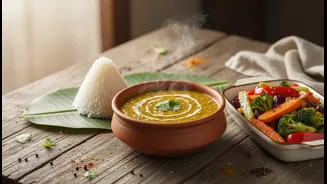
For many in India, using a clay pot, or 'manchatti', is a way to reconnect with their heritage. These vessels have been central to Indian cooking for centuries, used to perfect dishes like fish curry, biryani, and to set curd. Food cooked in a clay pot is believed to have a more authentic and richer flavour, a taste that many remember from their grandmothers' kitchens. This revival is therefore also a cultural one, celebrating traditional recipes and the slow food movement. By bringing earthenware back to the stove, home cooks are preserving a culinary legacy and passing down a more mindful approach to food preparation.
Artisans Lead the Modern Renaissance
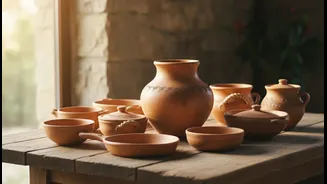
The resurgence of clay cookware is also breathing new life into the artisan communities that have preserved this craft for generations. Today's potters are not just recreating old designs; they are innovating with contemporary aesthetics to appeal to modern urban homes. From minimalist designs to glazed finishes suitable for tableware, artisans are blending traditional techniques with modern needs. Platforms connecting these artisans directly with consumers are helping ensure fair prices and giving this ancient craft a global stage, demonstrating that traditional skills have a vital place in the modern marketplace.