






The AI Advantage: More Than Just Code
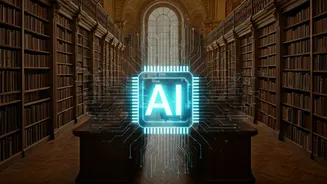
The term ‘Artificial Intelligence’ can be intimidating, often conjuring images of complex coding and advanced robotics. For most freshers, however, the demand isn't to become an AI developer, but to become AI-literate. In today's workplace, AI literacy
is the ability to use AI-powered tools to work smarter, analyse data, and enhance productivity. Companies across IT, banking, healthcare, and manufacturing are actively seeking graduates who understand how to leverage AI. This could mean using generative AI for research and drafting, employing AI-driven analytics tools to understand business trends, or simply being comfortable with workflows that are assisted by machine learning. Reports show that AI-related job postings have grown significantly, and freshers with these skills can command higher starting salaries. More than 70% of professionals believe AI proficiency will be a deciding factor for their next job. Embracing AI is not about replacing your core skills, but augmenting them. It's about demonstrating that you can use modern tools to solve problems and create value from day one.
Communication: The Ultimate Connector
For years, Indian companies have highlighted a gap in the communication skills of new entrants. In an era of hybrid work and global teams, this skill has become more critical than ever. Effective communication is not just about fluency in English; it encompasses clear writing, confident speaking, active listening, and the ability to present ideas concisely. Whether it's drafting a professional email, collaborating with colleagues on Slack, or presenting to a client over a video call, clarity is key. Miscommunication can lead to workplace conflicts and reduced team performance, while strong communicators build trust and foster collaboration. Employers are increasingly looking for candidates who can articulate their thoughts clearly in interviews and work effectively in teams. This soft skill has a hard impact, influencing everything from job prospects and salary potential to leadership growth. As automation handles more routine tasks, human-centric skills like communication become the ultimate differentiator, proving essential for navigating complex projects and diverse workplace cultures.
Adaptability: The Skill to Learn All Skills
If AI is the tool and communication is the bridge, adaptability is the foundation that holds it all together. The modern career is not a straight line; it’s a series of pivots and changes. With technology evolving at a breakneck pace, many technical skills can become outdated in just a few years. Recognising this, employers are now prioritising adaptability and a continuous learning mindset above specific, fleeting technical knowledge. Recruiters want to hire individuals who can evolve with the job tomorrow, not just someone who fits a narrow description today. Adaptability is about being resilient in the face of change, being curious enough to upskill continuously, and having the flexibility to take on new challenges. It’s the quality that allows an employee to learn how to use a new AI tool or adjust their communication style for a new project. Studies show that a significant percentage of today's skills may be irrelevant within a few years, making the ability to adapt and learn the most durable asset a fresher can possess.