


The Science of Feeling Satisfied
The secret to a meal that feels both light and substantial lies in the science of satiety. It’s not about the sheer volume of food, but the right combination of nutrients that send signals of fullness to your brain. Researchers point to a powerful trio:
protein, fibre, and healthy fats. Protein is widely considered the most satiating macronutrient; it digests slowly and influences hormones that control hunger. Fibre, found in vegetables, fruits, and whole grains, adds bulk to your meal and slows down digestion, which helps you feel full for longer. Healthy fats, like those in avocado, nuts, and olive oil, also slow stomach emptying and contribute to a lasting feeling of satisfaction. When these three elements work together, they create a meal that provides steady energy without the heaviness associated with highly processed foods or an imbalance of nutrients.
Meet the Power Bowl
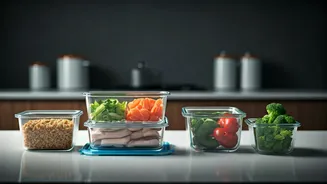
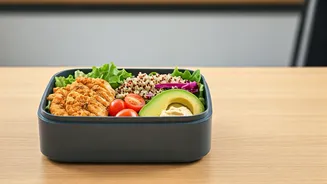
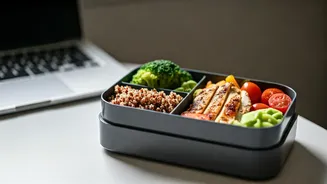
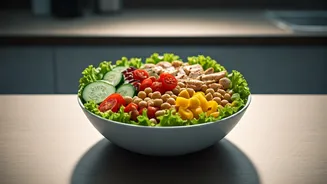
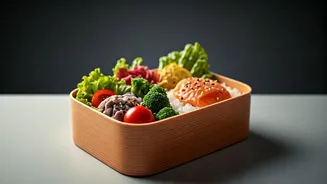
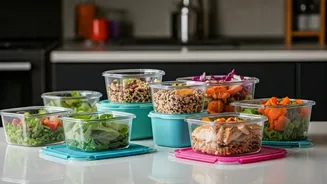
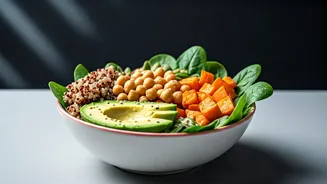
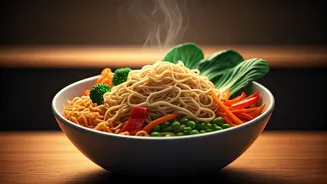
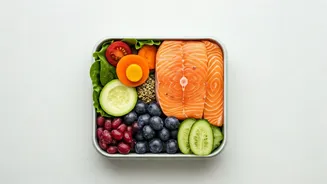
One of the most effective and versatile ways to apply this principle is by building a “power bowl,” also known as a grain bowl or Buddha bowl. This isn't so much a strict recipe as it is a customisable formula for a complete meal. A power bowl is exactly what it sounds like: a bowl filled with a base of whole grains or leafy greens, topped with a variety of proteins, vegetables, and flavourful dressings. The format is incredibly popular because it’s adaptable to any cuisine or dietary preference, from Mediterranean to Asian-inspired flavours. It’s also an excellent way to use up leftover vegetables or pre-cooked grains, making it a perfect solution for a quick and healthy weeknight dinner or a prepared lunch.
A Blueprint for the Perfect Bowl
Building your own satisfying power bowl is simple when you follow a basic template. Aim for a colourful and texturally diverse mix by choosing one or two items from each category:
1. The Base (Choose 1): Start with a foundation of complex carbohydrates and fibre. Options include quinoa, brown rice, farro, barley, or a bed of leafy greens like spinach or kale.
2. The Protein (Choose 1-2): Add a high-quality protein source to ensure the meal is filling. Great choices include grilled chicken, salmon, roasted chickpeas, black beans, lentils, tofu, or a hard-boiled egg.
3. The Vegetables (Load Them Up): This is where you can add volume, nutrients, and colour. A mix of cooked and raw vegetables works best for textural variety. Think roasted sweet potatoes, broccoli, or bell peppers, alongside fresh cucumber, tomatoes, or shredded carrots.
4. The Flavour and Healthy Fats (Choose 2-3): This final layer makes the bowl truly delicious. Add creaminess and healthy fats with sliced avocado or a sprinkle of feta cheese. Get some crunch from toasted nuts or seeds like almonds or pumpkin seeds. Finish with a flavourful dressing, such as a lemon-tahini sauce, a simple vinaigrette, or a dollop of hummus.
Easy Mediterranean Bowl to Get You Started
Ready to try it? This Mediterranean-inspired bowl is a crowd-pleaser and takes just minutes to assemble if you have cooked quinoa on hand.
Ingredients:
1 cup cooked quinoa
1 cup roasted chickpeas or grilled chicken breast, sliced
1/2 cup cherry tomatoes, halved
1/2 cup cucumber, diced
1/4 red onion, thinly sliced
A handful of kalamata olives
Crumbled feta cheese
A dollop of hummus
* Fresh parsley, chopped
For the dressing: Whisk together 2 tablespoons of extra virgin olive oil, 1 tablespoon of lemon juice, 1 minced garlic clove, and a pinch of dried oregano, salt, and pepper.
To assemble: Place the quinoa in a bowl and top with the chicken or chickpeas, tomatoes, cucumber, onion, and olives. Sprinkle with feta and parsley, add the hummus, and drizzle generously with the dressing before serving.