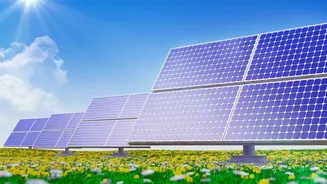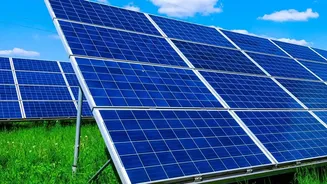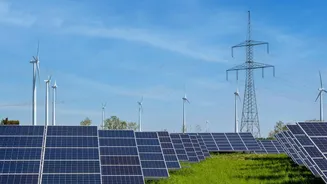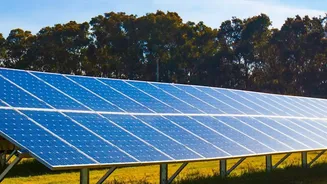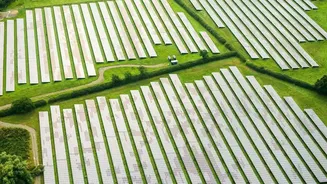






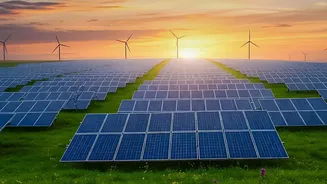
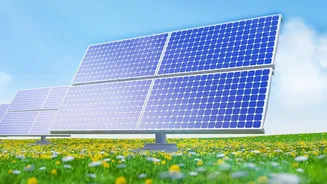
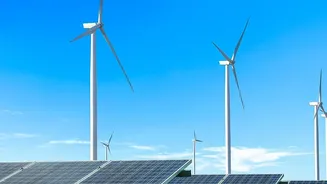
When we picture a solar farm, we see endless rows of panels generating clean energy. But what if these installations did more? In India, solar farms are revealing an unexpected, powerful benefit: they help the soil beneath them retain precious moisture.
More Than Just Clean Energy
India's push for renewable energy has led to the rapid growth of large-scale solar power plants. While their primary role is to feed clean electricity into the grid, a fascinating secondary function is emerging. These vast arrays of photovoltaic (PV) panels are creating unique microclimates that have significant, positive impacts on the land they occupy. By providing shade, solar panels reduce the intensity of direct sunlight hitting the ground. This simple act of shading sets off a chain of environmental benefits, chief among them being the conservation of soil moisture. In a country where water is an increasingly scarce resource and vast regions are arid, this unintended consequence is proving to be a game-changer for land health and productivity.
How Shade Transforms the Soil
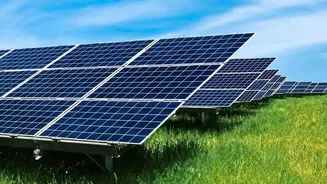
The science is straightforward yet profound. The shade cast by solar panels lowers the surface temperature of the soil and reduces the rate of evaporation. Multiple studies have confirmed that soil under PV panels retains significantly more moisture compared to adjacent, unshaded land. In some cases, soil moisture has been observed to increase by 10-15%. This effect is especially critical during India's hot, dry seasons, when evaporation rates are at their peak. By keeping the soil cooler and damper, the panels create a more stable and hospitable environment for microbial life, which is essential for soil health. This reduction in water loss means that the land is more resilient to drought conditions, a crucial advantage in many parts of the country.
A Boost for Local Agriculture
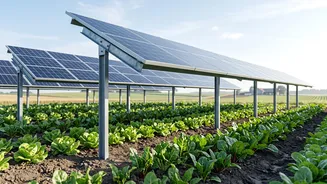
This phenomenon has given rise to a new field known as 'agrivoltaics', which involves the co-location of agriculture and solar energy production. By installing panels at a height that allows farming activities to continue underneath, farmers can harvest both crops and solar energy from the same plot of land. This dual-use model is particularly promising for India, where nearly half the population depends on agriculture for their livelihood. The improved soil moisture under the panels can lead to significant water savings in irrigation—some studies suggest up to 30%—and protect crops from extreme heat stress. While there can be a slight reduction in yield for some sun-loving crops due to the shade, many shade-tolerant varieties, including certain vegetables and legumes, have shown improved growth and productivity. The system also provides farmers with a diversified and stable income from electricity sales, making their livelihoods more resilient.
The Ripple Effect on Ecosystems
The benefits extend beyond agriculture. The stable, moist soil conditions under solar panels can help reduce soil erosion and runoff pollution. When solar farms are planted with native vegetation, they can become valuable habitats for pollinators like bees and butterflies, which are vital for a healthy ecosystem but threatened by conventional monoculture farming. The cooler microclimate can also be beneficial for the longevity and efficiency of the solar panels themselves, as they operate more effectively at lower temperatures. This creates a synergistic relationship where the environment and the energy infrastructure mutually support each other. These co-benefits, from biodiversity gains to improved water quality, are transforming solar farms from single-purpose energy plants into multi-functional ecological assets.
Harnessing the Potential in India
India has a massive opportunity to leverage agrivoltaics, with an estimated potential that runs into thousands of gigawatts. The government is already promoting this integration through schemes like PM_KUSUM, which encourages solar power in agriculture. As of 2025, dozens of pilot projects were already operational across the country, testing different configurations for various crops and climates. Realising this full potential will require careful planning to select the right crops and panel designs for specific regions. However, the promise is clear: integrating solar energy with agriculture offers a pathway to simultaneously address India's food security, water scarcity, and clean energy goals, building a more sustainable and resilient rural economy.