




The Most Ambitious Delivery Ever
The scientific prize is immense: bringing pristine samples of Martian rock, soil, and atmosphere back to Earth. For decades, this has been a top priority for planetary scientists. Analysing these materials in advanced labs on Earth could answer fundamental
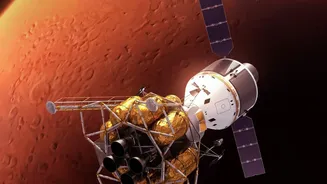
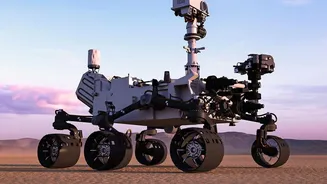
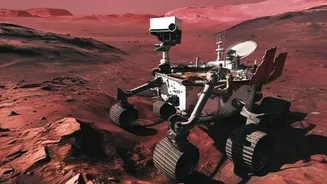
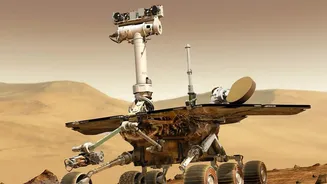
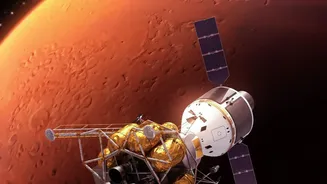
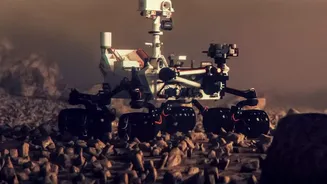
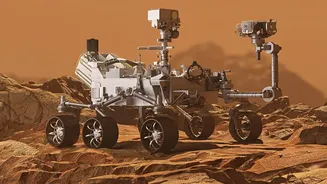
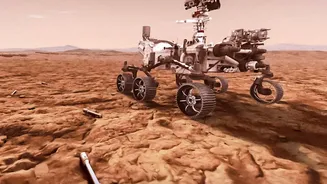
questions about Mars' history, its potential for past life, and the risks future astronauts might face. NASA's Perseverance rover, which landed in Jezero Crater in 2021, has been doing its part perfectly. It has drilled and sealed dozens of carefully chosen samples into titanium tubes, creating a treasure trove of geologic evidence from a site that once hosted a lake. The original plan, a joint effort with the European Space Agency (ESA), was a complex, multi-stage ballet involving a second lander, a small rocket to launch the samples into Mars orbit, and an orbiter to catch them and fly them home.
A Mission on the Brink
The problem was that the plan was too complex and too expensive. In 2024, an independent review board delivered a sobering assessment: the mission's cost had ballooned to as much as $11 billion, and the samples wouldn't arrive until 2040, a decade later than planned. This timeline and price tag were deemed unacceptable by NASA and Congress. Consequently, the Fiscal Year 2026 budget provided no funding for the existing Mars Sample Return (MSR) program, effectively cancelling it. The European Space Agency, a key partner, was left to reconsider its own contributions, acknowledging it could not afford such a mission on its own. For a moment, it seemed the precious samples collected by Perseverance might become the most scientifically important litter in the solar system.
NASA's Audacious Reboot
Rather than abandoning the goal, NASA has announced a new push to find a smarter, faster, and cheaper way forward. In early November 2026, the agency revealed a new initiative called the Perseverance Sample Retrieval Architecture (PSRA). This internal strategy team, set to kick off its work in January 2027, has been tasked with going back to the drawing board. The team will spend a year reviewing lessons learned, assessing new capabilities from both NASA and the commercial space industry, and developing new, impartial recommendations for getting the samples home. The goal is to produce a high-level plan by the end of 2027 or early 2028. This represents a fundamental reset, moving away from the cancelled architecture and opening the door to fresh ideas.
What Comes Next for Mars Rocks?
This new approach signals a significant shift. Instead of a single, monolithic plan, NASA is now actively exploring a range of options, including more involvement from commercial partners who believe they can do the job for less. The PSRA team will evaluate all possibilities with the hope of finding a feasible architecture. The pressure is on, not just from a scientific standpoint, but a geopolitical one. China is moving forward with its own Mars sample return mission, Tianwen-3, which aims to launch around 2028 and return samples to Earth as early as 2031. If successful, it would be a major milestone for China's space program. This new push from NASA is not just about salvaging a science mission; it's about maintaining leadership in planetary exploration. The future of Mars science hangs in the balance as NASA's best and brightest work to chart a new course back from the Red Planet.