




From Utility to Sanctuary
Not long ago, the bathroom in a typical Indian home was a space of pure utility, often overlooked in design conversations. But a significant shift is underway. Driven by a growing global focus on wellness and self-care, particularly after the pandemic,
homeowners are reimagining this essential room. It’s no longer just a place to get ready; it’s a place to unwind, de-stress, and find a moment of peace in a bustling world. This evolution reflects a broader change in how we view our homes—not just as shelters, but as environments that should actively contribute to our well-being. As a result, bathrooms are becoming havens for relaxation and mindfulness, designed to soothe the senses and calm the mind.
Bringing the Hotel Vibe Home
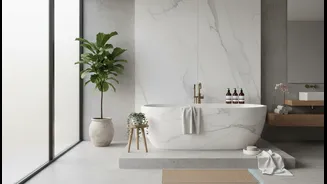
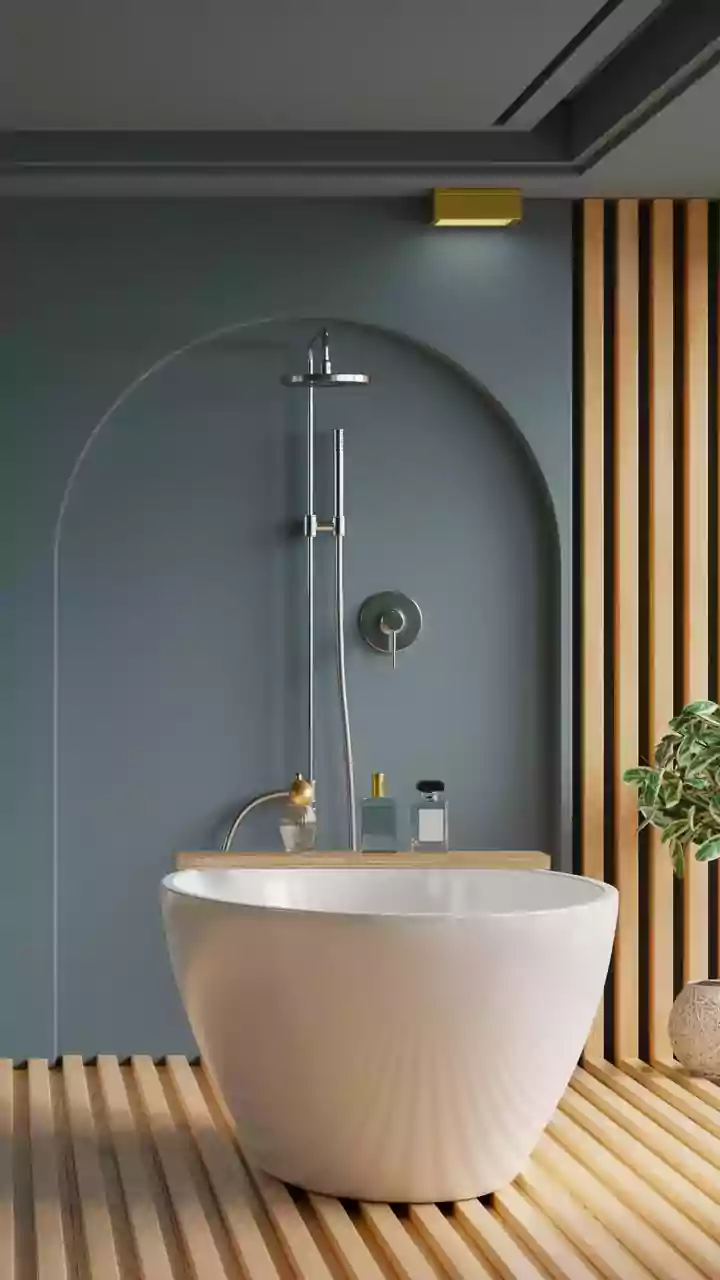
The core of this trend is borrowing the best ideas from hospitality design. Luxury hotels have mastered the art of creating a seamless, indulgent experience, and now those same principles are being applied to residential interiors. Think of freestanding bathtubs that act as a sculptural centerpiece, walk-in showers with rainfall heads that mimic a gentle downpour, and layered, dimmable lighting to set the mood. Features that once seemed like the ultimate extravagance—such as heated floors, towel warmers, and even smart toilets—are becoming increasingly sought after in home renovations. The goal is to create a space that feels uncluttered, generous, and harmonious, where everyday routines are elevated into small rituals of self-care.
The Elements of a Retreat
Creating a spa-like atmosphere is about engaging all the senses. Natural materials are key, with designers favouring stone, marble, and wood to create a connection to the outdoors. These materials not only look beautiful but also feel tactile and grounding. The colour palette is also shifting from sterile whites to warmer, nature-inspired tones like beige, sand, sage green, and soft earth tones that promote tranquility. Technology plays a role, too, but in a subtle, supportive way. Smart features like touchless faucets and water-efficient fixtures offer convenience and sustainability, while integrated sound systems and chromotherapy (colour-changing) lights enhance the sensory experience.
Adapting for the Indian Home
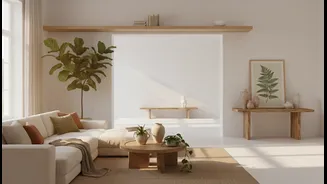
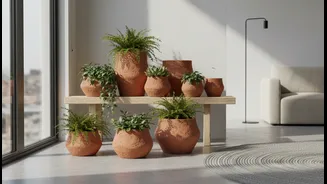
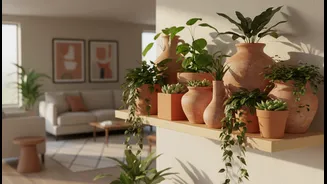
This trend is finding unique expression in the Indian context. While not everyone has the space for a massive, hotel-style layout, the principles can be adapted. In urban apartments where space is a premium, smart design is crucial. Open-concept layouts, frameless glass shower enclosures, and wall-mounted vanities can create an illusion of spaciousness. Biophilic design—incorporating plants that thrive in humidity like ferns and orchids—is especially popular, as it provides a cooling and calming effect well-suited to the Indian climate. Sustainability is another important consideration, with a growing demand for water-saving fixtures like low-flow showerheads and dual-flush toilets. Materials like teak wood, which holds up well in moist environments, are being used for accents and furniture.
Making It Your Own: Big and Small
Transforming your bathroom doesn't necessarily require a complete overhaul, which can range from ₹1 lakh to over ₹3 lakh for a major renovation. You can start small. Upgrading to a rainfall showerhead is a simple, affordable change that makes a big difference. Decluttering countertops and using cohesive storage baskets or trays can instantly make the space feel calmer and more organized. Swapping harsh overhead lighting for softer, layered options—even adding a small, waterproof lamp—can dramatically change the mood. Investing in high-quality, plush towels and a signature scent through candles or diffusers are other easy ways to add a touch of everyday luxury. For those planning a bigger renovation, focusing on one or two key features, like a statement freestanding tub or a walk-in shower with a bench, can provide that retreat-like feel without breaking the bank.