

Your Pre-Trip Essentials
Before you even pack your bags, a little planning goes a long way. For Indian travellers, the visa situation for Sri Lanka is relatively straightforward. You'll need to apply for an Electronic Travel Authorization (ETA) online before you depart. This
is mandatory, as visa-on-arrival is not currently an option for Indians. Ensure your passport has at least six months of validity from your date of arrival. You'll also need proof of a return flight and sufficient funds. While some sources indicate a visa-free scheme may be in effect, it's crucial to check the official Sri Lankan ETA website for the most current information before your trip. Booking your flights from southern Indian cities like Chennai or Kochi can often result in lower fares due to the short distance.
Crafting a Coastal Itinerary
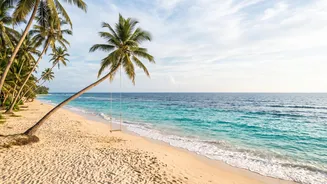
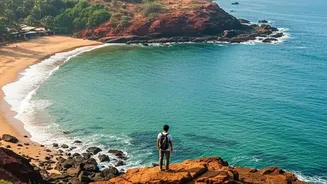
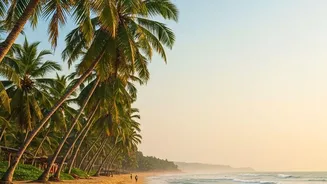
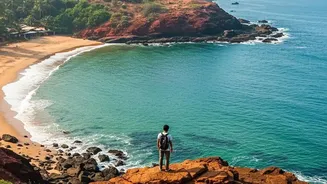
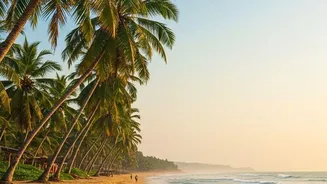
Sri Lanka's coastline is divided by two monsoon seasons, so your timing matters. The south and west coasts are best from December to April, while the east coast shines from May to September. A popular and highly recommended route starts just outside the main airport in Colombo. From there, you can catch the famous coastal railway line south. A classic backpacker trail follows this route: start in Negombo, head down to the party town of Hikkaduwa, explore the historic Dutch Fort in Galle, relax on the beaches of Unawatuna and Mirissa (a hub for whale watching), and perhaps venture further to the quieter shores of Tangalle. If you're travelling on the east coast, Arugam Bay is a world-renowned surf spot with a vibrant backpacker scene.
A Backpacker's Budget Breakdown
Sri Lanka remains one of Asia’s most affordable destinations for backpackers. A realistic daily budget can range from ₹2,500 to ₹4,000 (around $30-$50). This can cover a dorm bed or a basic private room, meals at local eateries, public transport, and some activities. Accommodation will be your biggest expense, with hostel dorm beds costing between ₹700-₹1,500 per night. Locally run guesthouses and homestays offer great value and a chance to experience Sri Lankan hospitality firsthand. Food is incredibly cheap if you eat like a local; a filling plate of rice and curry can be found for as little as ₹200-₹300. Sticking to these local 'hotels' (small restaurants) instead of tourist-focused cafes will dramatically lower your daily spend.
Getting Around on a Shoestring
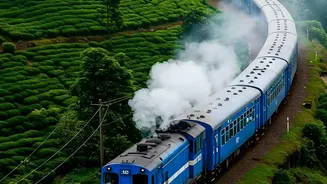
Public transport is the key to a low-cost Sri Lankan adventure. The country's train network, though sometimes slow, is exceptionally scenic and cheap. The Colombo to Matara coastal line is a must-do, offering stunning views of the Indian Ocean for just a few hundred rupees. For routes not covered by trains, buses are the go-to option. They are incredibly inexpensive and connect almost every part of the island. For shorter distances, tuk-tuks are ubiquitous. Always agree on a price before you start your journey, or use ride-hailing apps like PickMe or Uber in larger towns to get a fair rate. Renting a scooter can offer more freedom, especially around beach towns, with daily rentals costing around ₹400-₹600.
Solo Travel Safety and Etiquette
Sri Lanka is generally a safe and welcoming country for solo travellers, and the southern coastal route is a well-trodden path. However, it's always wise to take standard precautions. Avoid walking alone in isolated areas late at night, be mindful of your belongings in crowded places, and trust your intuition. Dressing modestly, especially when visiting temples, is a sign of respect. For women, staying in homestays run by families can provide an extra layer of security and local insight. Informing your guesthouse owner of your daily plans is also a good practice. The people are famously friendly, and a little common sense will ensure your solo journey is a safe and positive one.