



Understanding Late-Monsoon River Dynamics
The rafting season in Rishikesh is officially paused during the peak monsoon months of July and August for safety reasons. As the rains subside in September, the river's volume is at its highest for the entire season. This period, known as the late-monsoon
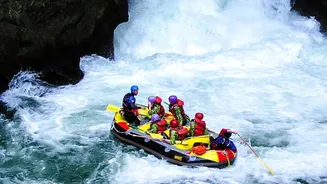
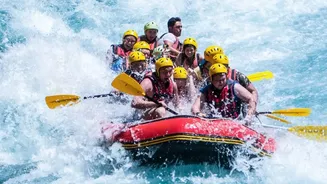
or post-monsoon phase, offers a powerful, fast-flowing river. For rafters, this translates to bigger, more thrilling rapids and a quicker journey downstream. However, it also means the water is more turbulent, undercurrents are stronger, and some obstacles like rocks may be submerged and invisible, requiring expert navigation. The official reopening of rafting is not based on a fixed calendar date but is determined by the Uttarakhand Tourism Development Board after safety inspections confirm the water levels are manageable.
Safety First: The Non-Negotiables of High Water
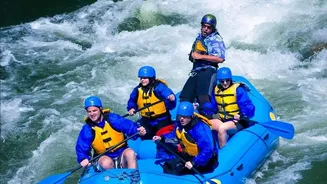
When the Ganga is running high and fast, safety protocols are more critical than ever. Every certified operator is required to provide high-quality, well-fitting safety gear, including a life jacket (Personal Flotation Device) and a helmet. These are not optional. Listen carefully to the pre-trip safety briefing; your guide will explain essential commands, what to do if you fall overboard, and how to handle a capsize situation. One crucial technique is the defensive swimming position: floating on your back with your feet pointing downstream to fend off any rocks. It is strictly prohibited to consume alcohol or drugs before a rafting trip, as it impairs judgment and reaction time, significantly increasing risks.
Choosing a Reputable Rafting Operator
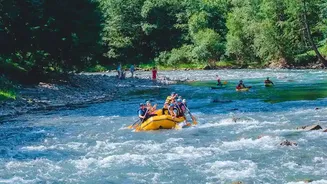
In the rush to book, especially at the start of the season, it’s vital to choose a licensed and reputable operator. A cheap deal from an unverified source could compromise your safety. Before booking, ask these crucial questions: Are you licensed by the Uttarakhand Tourism Development Board? Are your guides certified in swift-water rescue and first aid? What is your protocol for high-water conditions? A professional company will be transparent about the risks and may even recommend a shorter or easier stretch for beginners if conditions are particularly challenging. For first-timers, especially in high water, the 9 km stretch from Brahmpuri is often recommended as it features Grade I-II rapids, which are more manageable.
What to Expect on Your First Trip
Even if you are a non-swimmer, you can still participate in rafting on easier stretches, as your life jacket is designed to keep you afloat. However, you must be honest with your guide about your comfort level in the water. The experience will be wet and wild. Wear quick-drying synthetic clothing like a polyester t-shirt and shorts; avoid cotton, which gets heavy and cold when wet. Secure footwear like sports sandals or water shoes is essential. The guide is the captain of the raft. Following their paddling commands—like “forward,” “stop,” and “back paddle”—is crucial for navigating the rapids safely and effectively as a team. You will be an active participant, not just a passenger.
Is Late-Monsoon Rafting Right for You?
The late-monsoon period from September to October offers what many consider the “real” Rishikesh experience, with powerful Grade III and IV rapids at their peak volume. This is a magnet for thrill-seekers and experienced rafters. However, for a first-timer, the intensity can be overwhelming. If you are nervous about water or looking for a more relaxed introduction, waiting until later in the season (November to February) might be better. During that time, the water levels are lower, the rapids are smaller, and the river is less crowded. Ultimately, the decision depends on your appetite for adventure versus your need for comfort. A high-water trip will be faster, more intense, and require more focus, while a lower-water trip allows for more leisurely floating and swimming.