



The Golden Window of Weather
Rajasthan in summer can be unforgiving, but the period from October to February transforms the state into a traveller's dream. Early winter, particularly October and November, hits the sweet spot. The fierce heat has subsided, leaving behind pleasantly
warm days with temperatures often hovering between 15°C and 30°C. The skies are typically clear and blue after the monsoon, and the landscape retains a hint of green before fading into the iconic golden hues of the Thar Desert. This comfortable climate makes everything more enjoyable, from exploring forts without the draining heat to sipping chai at a roadside stall. Evenings bring a gentle chill, perfect for a bonfire at a desert camp near Jaisalmer, an experience that is simply impossible during the hotter months.
A Canvas of Changing Landscapes
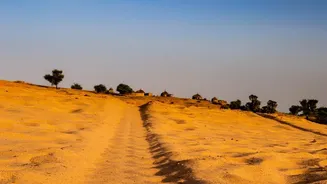
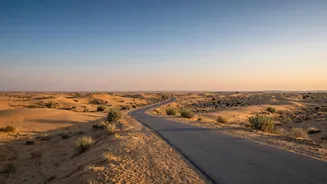
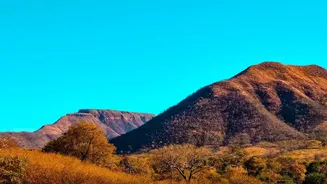
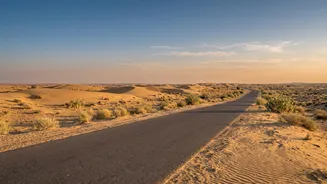
The 285-kilometre drive from Jodhpur to Jaisalmer is a journey through a slowly transforming world. As you leave the Blue City behind, the terrain begins to shift. The initial stretch is marked by scrubland and the occasional rocky outcrop. The road, primarily NH11, is mostly smooth and well-paved, making for a comfortable drive of about five to six hours without stops. As you venture deeper, the scenery becomes more dramatic. You’ll witness the landscape flatten into vast, open desert plains where the horizon seems to stretch endlessly. The vegetation thins out to hardy acacia trees and desert shrubs, and you’ll start seeing the traditional mud-walled homes of desert villages, built to withstand the climate. Closer to Jaisalmer, the iconic golden sand dunes, like the famous Sam Sand Dunes, begin to appear, signalling your arrival in the Golden City.
Essential Stops Along the Way
This road trip is as much about the journey as the destination. One of the first worthwhile stops is Osian, an ancient town about 65 km from Jodhpur, known for its beautifully carved 8th to 12th-century Hindu and Jain temples. For wildlife enthusiasts, a slight detour to Khichan village during winter is a must. The village becomes a temporary home for thousands of migrating Demoiselle Cranes, creating a breathtaking spectacle. Further on, the historic town of Pokhran offers a glimpse into the region's past with its impressive fort, which once served as a key trading post. Just before reaching Jaisalmer, the Jaisalmer War Memorial stands as a poignant tribute to the nation's war heroes, set against the stark desert backdrop.
The Dhaba Experience: A Taste of the Highway
No road trip in India is complete without its culinary pit stops, and the Jodhpur-Jaisalmer route is dotted with dhabas offering authentic Rajasthani flavours. These humble eateries provide a welcome break and a chance to refuel with delicious, home-style food. Look for places serving local specialties like Ker Sangri, a spicy dish made from desert beans and berries, or a wholesome Rajasthani thali. Dhabas like Dev Restaurant and Citi Spice Highway Dhaba are popular stops for travellers, known for serving traditional food in a rustic setting, sometimes complete with charpai seating and open-air dining. A hot cup of masala chai and a plate of fresh, hot food on the highway is an essential part of the experience, offering a true taste of local life.
Tips for Your Winter Drive
To make the most of your trip, start your drive from Jodhpur early in the morning. This allows you to avoid any potential city traffic and gives you ample time for sightseeing along the way. While the main highways are in good condition, it's wise to avoid driving after sunset as some patches can be less smooth and help may be harder to find. Pack layers of clothing—light clothes for the warm days and a jacket or light woollens for the chilly desert nights and early mornings. While many dhabas and shops are now equipped with digital payments, it's always a good idea to carry some cash for smaller purchases at more remote stalls. Finally, book your accommodation in Jodhpur and Jaisalmer in advance, as early winter is a popular tourist season.