


Rethink Your Packing Strategy
Monsoon packing goes beyond a simple umbrella. Prioritise lightweight, synthetic clothes like polyester and nylon that dry quickly; cotton and jeans can take days to dry in the high humidity. Pack at least one extra set of clothes in a sealed bag for
emergencies. For footwear, choose waterproof sandals or floaters with a good grip for navigating wet and slippery surfaces. Heavy leather shoes are a poor choice as they get ruined and take forever to dry. A lightweight, hooded rain jacket is often more practical than an umbrella, which can be useless against strong monsoon winds.
Prioritise Health and Hygiene
The rainy season can increase the risk of water-borne and mosquito-borne diseases. Always drink bottled, filtered, or boiled water to avoid infections like cholera and typhoid. Be cautious with street food, especially pre-cut fruits and salads, as they can be exposed to contaminants. Hot, freshly cooked meals are a safer bet. Carry a DEET-based insect repellent to protect against mosquitoes that can transmit dengue and malaria, which are more prevalent during this season. Also, pack a basic first-aid kit with antiseptic, bandages, and any personal medications, including treatments for stomach upsets.
Safeguard Your Electronics and Documents
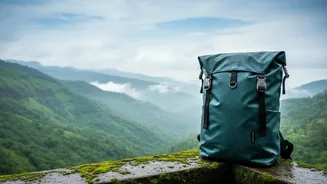
Water is the enemy of electronics. Protect your phone, camera, power bank, and chargers by keeping them in waterproof dry bags or double-sealed Ziploc bags. This is crucial not just during downpours, but also to guard against high humidity that can damage sensitive circuits. The same applies to your essential documents like your passport, ID cards, and tickets. Keeping them in a separate waterproof pouch ensures they remain safe and legible, no matter how wet your luggage gets.
Plan a Flexible Itinerary
Monsoon weather is famously unpredictable. Heavy rains can cause sudden road closures, landslides in hilly areas, and significant travel delays. It's wise to choose your destination carefully, avoiding areas prone to severe flooding or landslides. Before you travel, check the weather forecast not just for your destination but also for the routes you'll be taking. Build buffer days into your schedule to accommodate potential delays without stress. Having a backup indoor plan, like visiting a museum or a local cafe, is always a good idea for days when the rain is too heavy for outdoor exploration.
Practice Safe Driving Habits
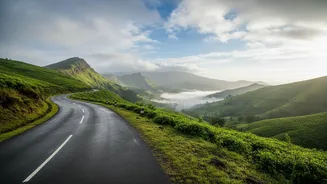
If you are driving, extra caution is essential. Reduce your speed significantly on wet roads, as braking distances increase and the risk of hydroplaning is high. Maintain a greater following distance from the vehicle in front of you. Use your low-beam headlights to improve your visibility and make your car more visible to others, but avoid high beams, which reflect off the rain and can dazzle other drivers. Before setting off, ensure your car's tyres have adequate tread, the brakes are working well, and the windscreen wipers are in good condition.
Embrace the Monsoon Mindset
Ultimately, travelling during the monsoon is about embracing a different pace. Journeys might take longer, and plans may need to change at a moment's notice. Instead of fighting the weather, work with it. The rain offers a unique opportunity to see landscapes transformed and enjoy destinations with fewer crowds. Use unexpected downtime to relax, read a book, or savour a hot cup of chai. A little patience and flexibility can turn a rainy day from a problem into a peaceful and memorable part of your journey.