


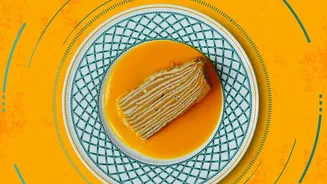
The Zest is Yet to Come
So, what exactly is orange zest? It's the brightly coloured outer layer of the orange peel, known as the flavedo. This part of the peel is packed with aromatic oils that hold the fruit's most concentrated flavour and fragrance. It’s crucial to only remove
this top layer, as the white part underneath, called the pith, is surprisingly bitter and can ruin the taste of your dish. Properly zested orange adds a complex, bright note that is far more intense than the juice alone, making it an indispensable ingredient in both sweet and savoury cooking. Before zesting, always wash and dry your oranges thoroughly to remove any wax or residue.
Your Essential Zesting Toolkit
While many tools can get the job done, a few stand out for their ease and efficiency. The most popular choice for many chefs and home bakers is the microplane. This long, rasp-like grater has tiny, sharp blades that effortlessly shave off fine flecks of zest with minimal risk of hitting the bitter pith. A box grater can also be used; simply use the side with the smallest holes for a similar result. For creating elegant, long strips perfect for garnishing cocktails or cakes, a channel knife is the ideal tool. In a pinch, a standard vegetable peeler can be used to slice off wider strips of peel, which you can then finely chop with a knife.
How to Store Your Liquid Gold
Often, a recipe only calls for a small amount of zest, leaving you with a surplus. Don't let it go to waste! Fresh orange zest can be stored in a sealed container in the refrigerator for up to a week. For longer-term storage, the freezer is your best friend. You can freeze zest in a small airtight bag or container for several months. One clever trick is to pre-portion the zest into teaspoon-sized amounts on a wax paper-lined plate, freeze until solid, and then transfer the frozen portions to a freezer bag. Another method is to mix the zest with granulated sugar, which helps preserve its potent flavour for future baking projects.
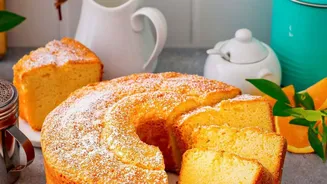
Recipe: Classic Orange Drizzle Cake
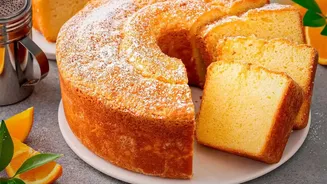
A beloved classic for a reason, this cake is moist, fragrant, and incredibly simple. To start, preheat your oven to 180°C (160°C fan). Cream together 250g of softened unsalted butter and 250g of caster sugar with the zest of two large oranges. Beat in four medium eggs one at a time, then gently fold in 250g of self-raising flour. Pour the batter into a greased and lined loaf tin and bake for 40-50 minutes, or until a skewer inserted into the centre comes out clean. While the cake is still hot, whisk together the juice of the two zested oranges with about 100g of icing sugar to create a syrup. Poke holes all over the top of the cake with a skewer and pour the drizzle over, allowing it to soak in completely before cooling.
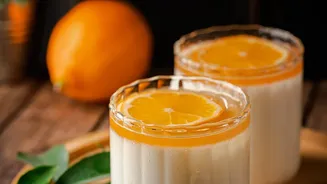
Recipe: Effortless Chocolate Orange Mousse
The combination of chocolate and orange is a timeless classic. This surprisingly simple mousse requires just two main ingredients: high-quality dark chocolate (at least 70% cocoa) and fresh orange juice. Break 200g of dark chocolate into small pieces and place them in a heatproof bowl with the juice of one large orange. Melt the mixture gently over a saucepan of simmering water, stirring until smooth. Once melted, remove from the heat and place the bowl over a larger bowl filled with ice. Whisk the mixture rapidly as it cools. The chocolate and juice will emulsify and thicken, transforming into a light, airy mousse. Spoon into small glasses and chill for at least two hours before serving, garnished with a little extra orange zest.