
Mithai Meets the World
The familiar comfort of Indian sweets is getting a dramatic and delicious makeover. This is more than just adding a new flavour; it's a creative collision of worlds. The trend sees classic Indian desserts being deconstructed and reimagined using Western
pastry techniques and global ingredients. Think of it as your dadi's secret recipe meeting a Parisian pastry chef. The result? A whole new category of desserts that are both nostalgic and novel. This movement is redefining celebratory platters and dessert menus across the country, showing that Indian sweets can be both traditional and trendy.
The New Hall of Fame
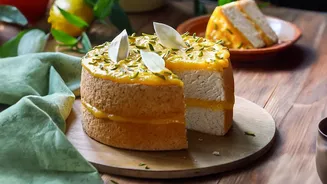
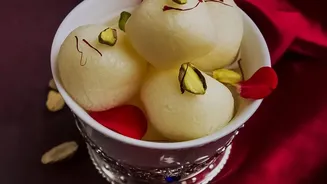
The stars of this fusion movement are showstoppers. Gulab Jamun Cheesecake, where the soft, syrup-soaked sphere is baked into a creamy cheesecake, has become a modern classic. Then there's the Rasmalai Tres Leches, an incredible Indian-Mexican hybrid where a cardamom-scented cake is soaked in three types of saffron-infused milk, creating a rich, moist delight. Other popular creations include Motichoor Ladoo Parfaits layered in glasses for an Instagram-perfect look, Paan Panna Cotta which blends the refreshing flavour of betel leaf with a creamy Italian dessert, and even Chocolate Samosas, which swap the usual potato filling for gooey, melted chocolate.
The Home Kitchen Revolution
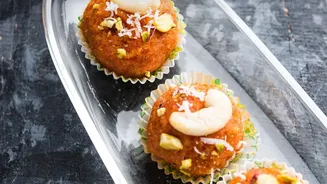
This trend isn't just confined to high-end restaurants. A significant part of this innovation is bubbling up in home kitchens. Spurred by social media and a growing desire for unique culinary experiences, home bakers have become key players in the fusion dessert scene. They are the new experimentalists, sharing their creations like Badam Halwa Croissants and Kesar Pista Cupcakes online. These home-based labs are where many of the most creative ideas take root, offering personalized and often healthier versions of these treats, sometimes using alternative sweeteners like jaggery or plant-based milks.
Pioneers of the Pastry
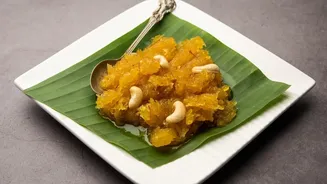
Professional chefs are also pushing the boundaries. Figures like Chef Vikas Bagul, a master of European pastry techniques, and Chef Pooja Dhingra, known for her modern take on desserts, have been instrumental in elevating India's pastry scene. Abroad, chefs like Chetanya Rai are infusing Michelin-starred dessert menus with flavours from their Indian childhood, turning familiar tastes into haute cuisine. These chefs act as both artists and innovators, respecting tradition while fearlessly pushing it forward, inspiring a new generation to think differently about Indian sweets. Their work demonstrates a deep understanding of flavour, texture, and presentation, proving that a Gajar Halwa Tart can be as sophisticated as any French patisserie creation.
A Reflection of Modern India
So, why is this happening now? This dessert evolution mirrors a broader cultural shift. It reflects a modern Indian identity that is confidently global yet deeply connected to its roots. For younger generations, these fusion desserts are relatable, combining the nostalgic flavours of their childhood with the global trends they see online. Furthermore, the trend caters to an evolving palate that often seeks less intensely sweet options, balanced flavours, and exciting new textures. It’s a form of edible art that tells a story of cultural exchange, creativity, and the delicious future of Indian food.