







The Problem on the Ground
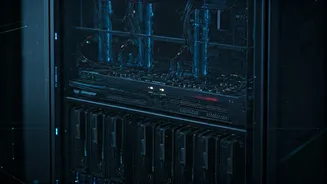
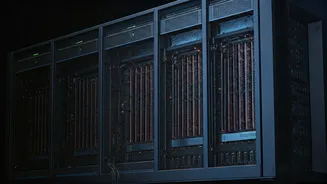
Artificial intelligence, particularly the large language models that power chatbots, is incredibly demanding. These systems run in massive, ground-based data centers that consume enormous amounts of electricity and water. A single AI data center can use
the power equivalent of over 100,000 homes. This immense appetite for energy is straining electrical grids and creating a resource bottleneck. As AI becomes more integrated into our daily lives, the demand for computing power is expected to double by 2030, raising serious questions about sustainability and scalability here on Earth. Companies face a difficult choice: how to power the AI revolution without overwhelming our terrestrial infrastructure.
An Audacious Solution in Orbit
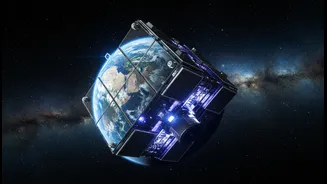
The proposed solution sounds like science fiction: move the data centers into space. In low-Earth orbit, the advantages are compelling. Satellites can be powered by abundant and continuous solar energy, free from weather or the day-night cycle. Space also offers a perfect solution for cooling; the vacuum provides a near-absolute-zero heat sink, allowing servers to shed heat through passive radiation without the need for the energy-intensive water-cooling systems used on the ground. This move would not only address the energy and cooling crises but also provide a path to scale AI infrastructure with fewer terrestrial constraints.
Why 'Fridge-Sized' Matters
The term "fridge-sized" helps to visualize the scale of these new orbital platforms. These aren't tiny cubesats, but substantial machines weighing 60 kilograms or more, packed with powerful processors. For example, a startup named Starcloud launched its Starcloud-1 satellite in November 2025, which carried an advanced Nvidia H100 graphics processing unit (GPU) — a component about 100 times more powerful than any GPU previously operated in space. This satellite became the first to successfully train a small AI model in orbit. This class of satellite represents a new category of space hardware, designed not just for observation or communication, but for intensive, onboard data processing.
The New Space Race for AI
A host of companies, from agile startups to tech giants, are entering this new domain. Startups like Starcloud, Orbital, and Aetherflux are pioneering dedicated orbital data centers. Starcloud raised $170 million in early 2026 and has already proven its core concept in orbit. Meanwhile, major players are not far behind. Google is exploring a different approach with its Project Suncatcher, which envisions a swarm of smaller, interconnected satellites. SpaceX has filed for a massive constellation of its own, and Blue Origin is also exploring orbital computing. This convergence of the AI and space industries is creating a new competitive frontier, with companies racing to establish the infrastructure for the next era of computing.
Challenges Before Liftoff
Despite the promise, the path to orbit is paved with significant challenges. Launch costs, while falling, remain a major economic hurdle. The hardware must be "radiation-hardened" to survive the harsh environment of space, which can damage sensitive electronics. Maintenance is another serious concern; unlike a terrestrial data center, you can't simply send a technician to fix a broken server in orbit. Furthermore, there are growing concerns about cybersecurity, space debris, and the complex legal questions of which country's laws apply to data being processed hundreds of kilometers above the Earth's surface.