






The Fantasy on the Front
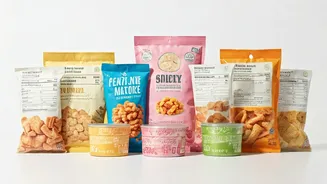
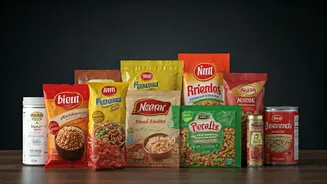
Snack packaging is prime marketing real estate. It uses bright colours and enticing buzzwords to create a perception of health. Phrases like “All Natural,” “Made with Real Fruit,” or “Immunity Booster” are designed to make you feel good about your purchase.
However, according to the Indian Council of Medical Research (ICMR), these health claims can be misleading. A product claiming to be “100% natural” might still contain processed elements and additives. Similarly, a snack “made with whole grains” might have refined flour (maida) as its primary ingredient, with only a small amount of whole grain included to justify the claim. The Food Safety and Standards Authority of India (FSSAI) is cracking down on such unsubstantiated claims, but the first line of defence is a skeptical eye.
Your Decoder Ring: The Nutrition Panel
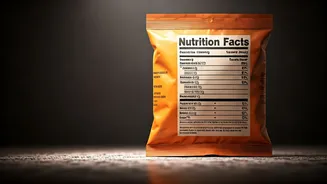
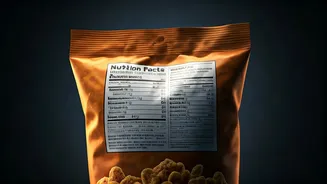
The single most important habit is to ignore the front and flip the pack over. The Nutrition Facts panel is where the truth resides, and the first thing to check is the “Serving Size.” Manufacturers often list unrealistically small serving sizes, making the calorie, sugar, and fat content seem lower than what you would actually consume. If a small bag of chips lists two servings, you must double all the numbers on the label to understand what you are eating. When comparing different products, use the 'per 100g' column for a fair comparison. Key things to watch are total sugars, sodium, and saturated and trans fats. For a healthier choice, look for lower numbers in these categories.
The Ingredient List Never Lies
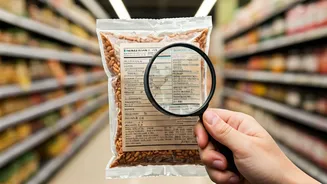
This is arguably the most revealing part of any food label. Ingredients are listed in descending order by weight, meaning the first few ingredients make up the bulk of the product. If sugar, maida, or palm oil are in the top three, you know it’s not a health food, no matter what the front of the box says. This is also where you can spot hidden sugars. Manufacturers use dozens of names for sugar, including high-fructose corn syrup, dextrose, maltose, sucrose, and fruit juice concentrate. The more of these names you see, the more processed the product is. A shorter, more recognizable ingredient list generally signals a less processed, more wholesome snack.
Beware of ‘Zero’ and ‘Low-Fat’ Claims
A “sugar-free” label can be deceptive. These products may be loaded with refined cereals, fats, and hidden sugars like maltitol which can still be high in calories. Likewise, claims like “Zero Trans Fat” don't always mean the product has none. Regulations may allow this claim if the product contains less than a certain threshold per serving, but consuming multiple servings can add up. Look for the words “partially hydrogenated oil” in the ingredient list, which is a clear indicator of trans fat. Be equally wary of “low-fat” products. When manufacturers remove fat, they often add extra sugar, salt, and additives to compensate for the loss of flavour and texture, making the product no healthier.
Making Smarter Choices
Becoming a label-savvy consumer doesn't require a degree in nutrition. It starts with simple habits. Always flip the package over and spend 30 seconds scanning the ingredient list and nutrition panel. Pay attention to the serving size and do the mental maths. Prioritise snacks that are higher in protein and fibre, as they will keep you feeling full for longer. Be critical of front-of-pack claims; they are marketing, not nutritional advice. The FSSAI mandates a green dot for vegetarian products and a brown dot for non-vegetarian, which is a straightforward indicator. By focusing on the back of the pack, you empower yourself to see past the advertising and understand what you’re truly eating.