





Slashing Travel Time Dramatically
The most immediate and significant change for passengers is the drastic reduction in travel time. The Vande Bharat Express covers the approximately 269-kilometre distance between Jammu Tawi and Srinagar in about 4 hours and 45 minutes. This is a massive
improvement over the 6 to 7 hours, and often longer, that the journey takes by road, which is frequently subject to delays from traffic and weather. With two Vande Bharat trains already operating daily services with high occupancy, the addition of a third train is set to further ease the travel rush. This shift from unpredictable road travel to a fixed, reliable train schedule fundamentally alters how people can plan their trips, whether for tourism, business, or personal reasons.
All-Weather Connectivity is a Game-Changer
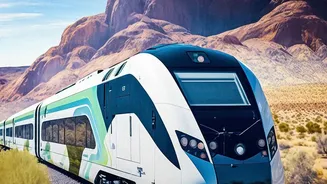
For decades, Kashmir's connectivity has been at the mercy of its harsh weather. The new Vande Bharat trains are engineered specifically to conquer this challenge. They are designed to operate in temperatures as low as -20°C, a feature unique to the rakes serving the valley. The trains are equipped with advanced heating systems that prevent water lines and bio-toilets from freezing, and heated windshields ensure clear visibility for the driver during frost and snow. This specialisation provides an all-weather, year-round transport solution, ending the region's notorious winter isolation and offering a dependable alternative when highways are closed due to snowfall or landslides.
A Journey Through Engineering Marvels
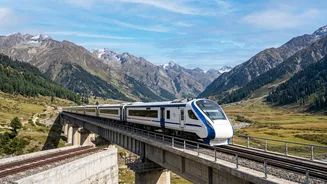
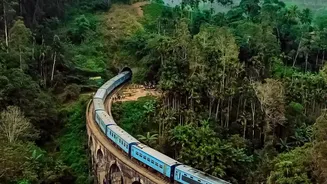
Riding the Vande Bharat in Kashmir is not just a commute; it's a journey across some of modern India's greatest engineering feats. The service runs on the Udhampur-Srinagar-Baramulla Rail Link (USBRL), a project that navigated formidable Himalayan terrain. Passengers are treated to breathtaking views as the train crosses the Chenab Bridge, the world's highest railway bridge, standing 359 meters above the riverbed. The route also includes the Anji Khad Bridge, India's first cable-stayed railway bridge. These structures, part of a network of 38 tunnels and 927 bridges, represent the monumental effort to finally connect the Kashmir Valley to the Indian Railways network, making this train journey a spectacle in itself.
More Capacity for Skyrocketing Demand
Since the launch of the first services in June 2025 and their extension to Jammu in April 2026, the demand for the Jammu-Srinagar Vande Bharat has been immense. Both existing trains have been reportedly running with full occupancy, prompting Indian Railways to increase the number of coaches from 16 to 20 to accommodate more passengers. The announcement on August 20, 2026, of a third Vande Bharat for the route is a direct response to this success. This new service, which will run via Udhampur, will significantly boost passenger capacity, making it easier for travellers to secure tickets and ensuring the route can support the growing tourist and local traffic.
Boosting Tourism and Local Life
Ultimately, the Vande Bharat's arrival is transforming the economic and social fabric of the region. For tourists, it offers a faster, safer, and more comfortable way to reach the valley's attractions. For locals, it provides a reliable link for work, education, and healthcare access, especially between key hubs like Jammu, Katra, Udhampur, and Srinagar. The disruption of local train schedules to accommodate the express services had initially caused some friction, but the long-term vision of seamless, high-speed connectivity promises a significant boost to trade and development, integrating Kashmir's economy more closely with the rest of the country than ever before.