


The Case for Continuity: A Trophy Ends the Drought
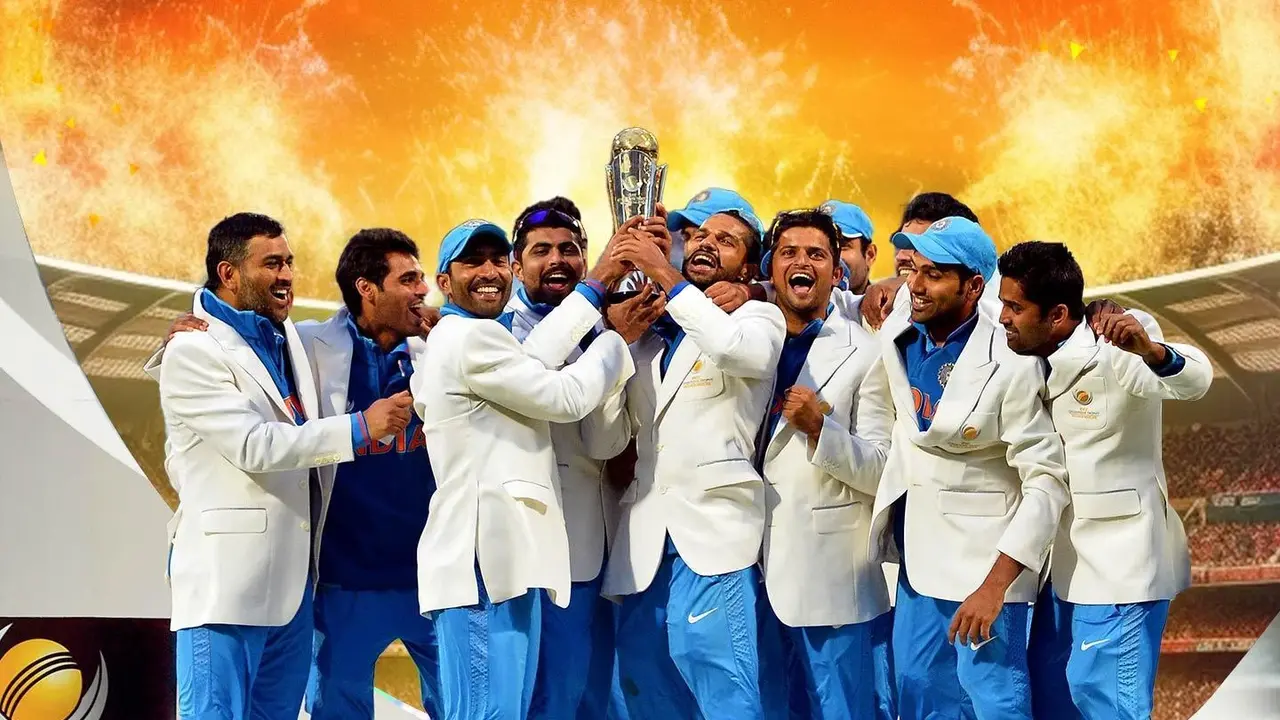
The strongest argument for keeping Ajit Agarkar at the helm is the one gleaming in the BCCI’s trophy cabinet: the 2024 T20 World Cup. For a nation starved of a senior men’s ICC title for over a decade, this victory was more than just a win; it was vindication.
Agarkar, who took charge in July 2023, oversaw a selection strategy that was both bold and, in hindsight, brilliant. He backed a squad that blended seasoned veterans with in-form players, a move that paid rich dividends. The win in the West Indies wasn't a fluke; it felt like the culmination of a clear, calculated process. Supporters of continuity will point to this success as definitive proof that his methods work. After a string of near-misses, including the painful loss in the 2023 ODI World Cup final, Agarkar delivered what his predecessors couldn't. This alone makes a powerful case for allowing him to build on this foundation.
Bold Calls and a Clear Method
Agarkar’s tenure has been defined by a willingness to make tough, and at times unpopular, decisions. He was instrumental in shaping the T20 side's transition, navigating the futures of modern-day legends like Rohit Sharma and Virat Kohli while identifying the next line of leaders. One of his most debated calls was appointing Suryakumar Yadav as T20 captain when Hardik Pandya seemed the heir apparent, a decision based on availability and future-proofing the team. Furthermore, the selection committee showed conviction by backing players based on role clarity rather than just reputation. Reports suggest Agarkar operated with a degree of independence, refusing to be a 'yes-man' and ensuring selections were based on a consistent philosophy. This decisiveness, once a source of debate, is now seen as a key ingredient in India's white-ball resurgence. Backing him to continue would mean endorsing this clear-headed and firm approach to selection.
The Argument for Change: Scars of the Past
However, the chorus for change isn't without merit. Critics argue that the elation of one T20 victory shouldn't overshadow the significant disappointments. The most prominent is the loss to Australia in the 2023 ODI World Cup final on home soil. After a flawless campaign, the team faltered at the last hurdle, a memory that still stings many fans. Some attribute this to a failure to build a team for all conditions and high-pressure finals. Moreover, while India’s white-ball performance has been stellar, its Test team has reportedly seen a decline under his watch, with some uncharacteristic home series losses raising concerns. The argument here is one of balance. While T20 success is celebrated, the ultimate goal for many remains dominance across all three formats. A change in leadership could bring a fresh perspective, particularly in reinvigorating India's red-ball ambitions and ensuring the team doesn't become overly specialised.
Building the Next Generation
Perhaps the most critical question is about the future. Indian cricket is on the cusp of a major generational shift. While the T20 World Cup was won with a core of senior players, the task of building the next team—one that will compete in the 2027 ODI World Cup and beyond—is a monumental one. Is Agarkar the right architect for this long-term project? His tenure so far has focused heavily on winning a trophy with the current crop of stars. While successful, some question whether enough has been done to blood new talent and create a seamless succession plan across formats. The introduction of young talents has been noted, but the debate revolves around whether the system is robust enough to handle the inevitable departure of its biggest names. A new selector might bring a different vision, one perhaps more radically focused on youth and building a team for the 2030s, rather than reaping the rewards of the 2020s.