
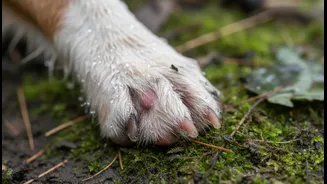


That Corn Chip Smell: What Is It?
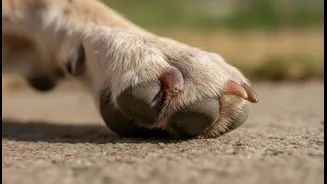
The quirky scent you’re noticing is usually caused by a mix of naturally occurring bacteria and yeast on your pet's skin. Specifically, bacteria like Pseudomonas and Proteus, along with a fungus called Malassezia yeast, thrive in the warm, moist environment
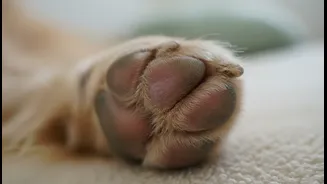
between your dog's paw pads. Dogs sweat through their paws, creating the perfect breeding ground for these microorganisms. While a very faint smell can be normal, a strong, persistent odour often signals that the yeast population is growing out of control, tipping from a harmless presence into an active infection known as yeast dermatitis.
Beyond the Odour: Visual Clues of Infection
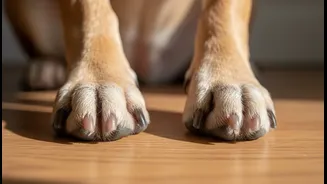
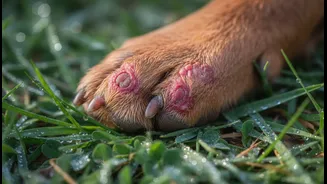
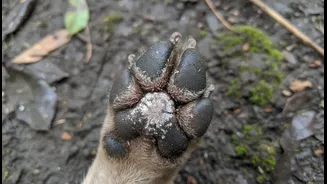
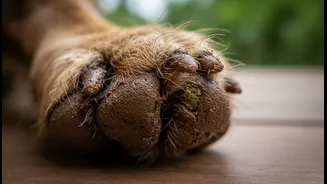
An overgrowth of yeast doesn't just produce a smell; it causes significant discomfort for your dog. If you notice a strong musty or cheesy odour, it’s time to look closer for other signs. Check for redness and inflammation, especially between the toes and on the paw pads. The skin might look angry and swollen. Another tell-tale sign is persistent licking, chewing, or biting at the paws, which is your dog’s attempt to relieve the intense itchiness. This excessive licking can lead to reddish-brown saliva staining on the fur. In more advanced cases, you might see scaly, flaky, or thickened skin, sometimes called 'elephant skin', and even a greasy or brown discharge.
When a Minor Issue Becomes a Major Problem
Ignoring these early warnings allows the yeast to multiply unchecked. A mild topical issue can quickly escalate. The constant licking and scratching can break the skin, inviting secondary bacterial infections that complicate treatment. The infection can become so painful that your dog may start limping or become reluctant to walk. Chronic inflammation leads to significant skin damage, including thickening and darkening (hyperpigmentation). What began as a simple yeast overgrowth can become a deep-seated, systemic issue that is much harder and more distressing to treat, affecting your pet's overall quality of life.
Early Intervention: Simple and Gentle Solutions
The good news is that when caught early, yeast infections are highly manageable. The first step is a visit to the veterinarian to confirm the diagnosis, often with a simple skin swab. For mild, localised infections, treatment is typically topical. Your vet may recommend antifungal wipes, sprays, or creams containing ingredients like miconazole or ketoconazole. Medicated shampoos with antifungal and antibacterial agents like chlorhexidine are also very effective. These treatments work to reduce the yeast population on the skin, soothe inflammation, and provide relief from itching, often showing improvement within a week or two.
The Advanced Stage: Why We Want to Avoid Injections
If a paw infection becomes severe, chronic, or spreads, your veterinarian will need to turn to more aggressive treatments. This often involves oral antifungal medications like ketoconazole, itraconazole, or fluconazole, which must be given for several months. In the most serious, life-threatening systemic fungal cases, which can affect internal organs, injectable antifungal drugs may be necessary. These injections, such as Amphotericin B, can be tough on a dog's system, potentially causing side effects, and require intensive veterinary supervision. This is the painful, expensive, and stressful scenario that early detection of that simple paw odour helps you and your pet avoid entirely.
Prevention Is the Best Medicine
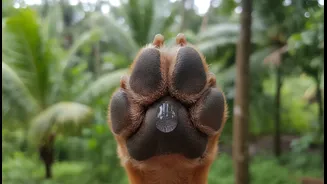
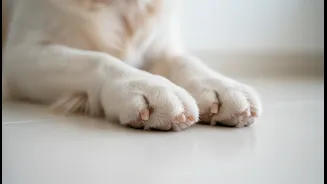
Keeping your dog's paws healthy is straightforward. The key is to minimise moisture. Thoroughly dry your dog's paws after walks in the rain, swimming, or baths, paying special attention to the area between the toes. Regular grooming, including trimming the fur around the pads, improves air circulation and prevents debris from getting trapped. Since allergies are a common underlying cause of recurring yeast infections, working with your vet to manage any food or environmental allergies is crucial for long-term prevention. A simple weekly paw check for any unusual smells or redness can make all the difference.